

If you recently started taking metformin and you’re wondering what kind of weight loss results you can expect after two months, you’re not alone. This is one of the most common questions people ask after their doctor prescribes this medication. The honest answer is: it depends on several factors, but there are clear patterns that research and real-world experience show consistently. This guide walks you through everything — from how metformin works for weight loss, to what the scale might show at the 8-week mark, and what you can do to support better results.
What Is Metformin and Why Does It Affect Weight?
Metformin is a prescription medication primarily used to treat type 2 diabetes and insulin resistance. It belongs to a class of drugs called biguanides and has been in use for decades. While it was never designed as a weight loss drug, many people lose some weight while taking it — and doctors have started prescribing it off-label for weight management in people with conditions like polycystic ovary syndrome (PCOS) or prediabetes.
How Metformin Works in Your Body
Metformin works mainly by reducing the amount of glucose your liver releases into the bloodstream. It also improves how your cells respond to insulin, meaning your body doesn’t need to produce as much of it. High insulin levels are strongly linked to fat storage, especially around the abdomen. By lowering insulin levels, metformin creates conditions in which your body is slightly more inclined to burn stored fat rather than keep packing it away.
Why Weight Loss Happens (When It Does)
The weight loss linked to metformin is not dramatic in most people. It happens through a combination of effects: reduced appetite, lower calorie absorption from food in some cases, and improved blood sugar control that reduces cravings for sugary foods. Some studies also suggest metformin may influence gut bacteria in ways that support a healthier metabolism. None of these effects are extreme on their own, but together they can add up to noticeable changes over two months.
2 Month Metformin Weight Loss Results: The Real Numbers
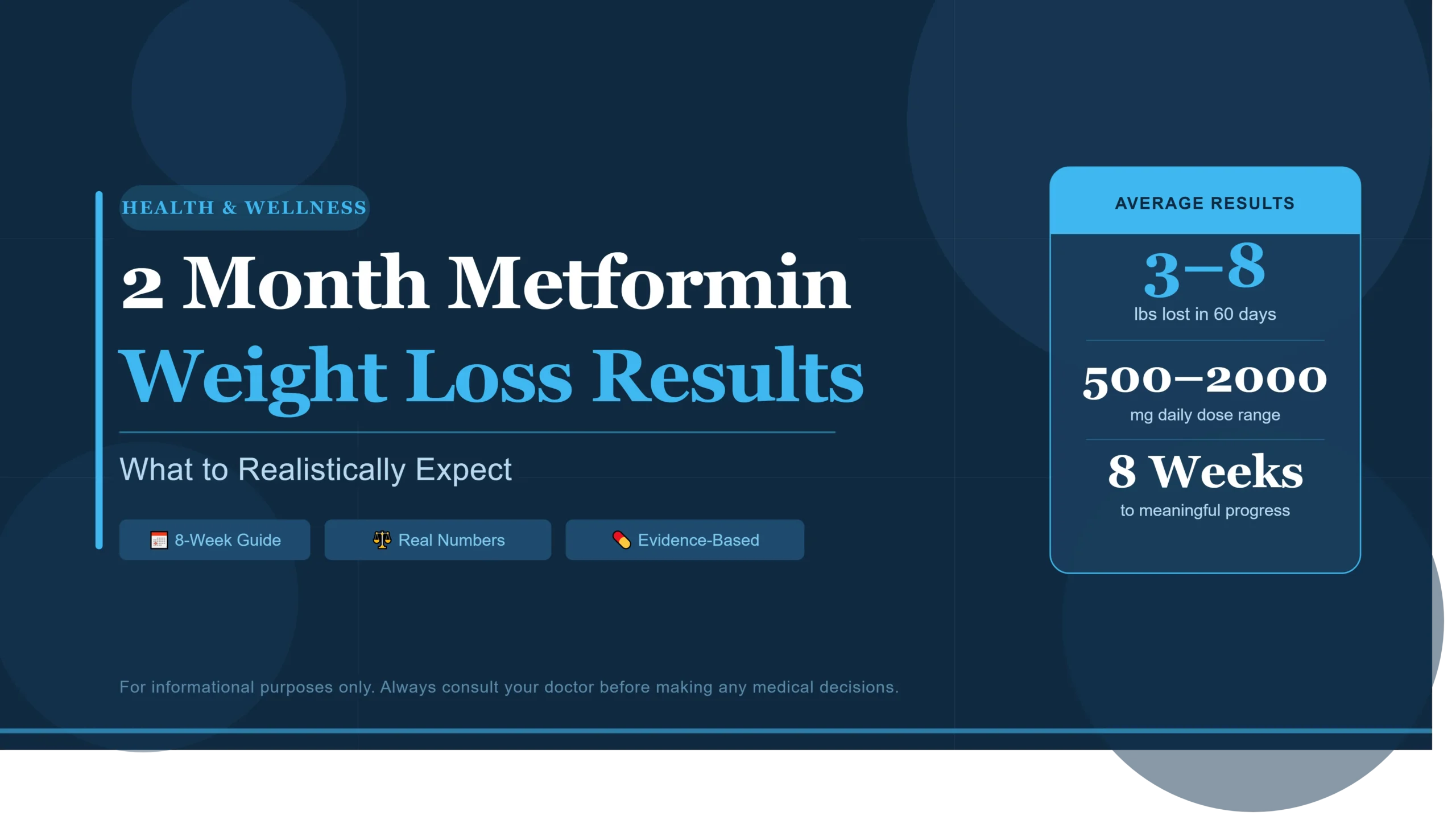
After two months on metformin, most people can expect to lose somewhere between 2 to 10 pounds, depending on their starting weight, dose, diet, and activity level. This is a wide range, and that’s intentional — because the variation in real-world results is genuinely wide.
What Clinical Studies Show at 8 Weeks
Several studies have tracked weight changes in metformin users over short periods. One frequently cited analysis found that people with type 2 diabetes lost an average of 2–3 kg (about 4–6 pounds) over 3 months at a standard dose of 1500–2000 mg per day. At the 8-week mark specifically, you’d typically see about two-thirds of that progress, putting many people in the 3–5 pound range. For people who are significantly overweight or who have high insulin resistance, the losses in early weeks can be slightly more pronounced as the body responds to improved insulin sensitivity.
What Real People Report After 60 Days
Anecdotal reports from online communities and patient forums show a broader range. Some people report losing 8–10 pounds in two months when they combined metformin with dietary changes. Others report 1–2 pounds, especially if they didn’t change their eating habits. A smaller group reports no change on the scale at all, or even slight weight gain — which can happen if nausea from the medication leads to eating differently, or if water retention is a factor early on.
Why Results Differ So Much from Person to Person
Your starting insulin levels, body composition, the dose you’re on, and whether you’re eating differently all play a role. People with PCOS or prediabetes who have significant insulin resistance often see better results than people who are taking metformin for mild blood sugar control. Dose matters too — people on 500 mg per day typically see slower results than those who’ve been titrated up to 1500–2000 mg per day, which is the therapeutic range most commonly associated with weight benefits.
The First Two Weeks vs. Weeks 3–8: How Progress Unfolds
Weight loss on metformin doesn’t happen in a straight line. Understanding the timeline helps you avoid frustration when the scale doesn’t move immediately.
Week 1–2: Adjustment Phase
The first two weeks are mostly about your body adjusting to the medication. Many people experience digestive side effects during this time — nausea, diarrhea, bloating, or an upset stomach. These are very common and usually temporary. Because of these side effects, some people actually eat less in the first couple of weeks simply because food doesn’t appeal to them. This can cause a small initial drop on the scale that isn’t necessarily fat loss — it may partly reflect reduced food intake or water weight shifts.
Week 3–4: Stabilization and Early Fat Loss
By weeks three and four, most people’s digestive side effects have settled down, especially if the dose was started low and increased gradually. This is when metformin’s appetite-reducing effects often become more noticeable. Many users report that they feel full faster and have fewer cravings for carbohydrates and sweets. If you’re eating slightly less without feeling deprived, this is metformin doing what it’s supposed to do. Steady, moderate fat loss typically begins in this window.
Week 5–8: The Most Meaningful Progress Window
This is the phase where most people see the clearest results on the scale, particularly if they’ve maintained a consistent eating pattern. Blood sugar control is more stable by this point, insulin levels are more regulated, and the body has adapted to the medication. If you haven’t seen results yet by week five or six, it’s worth reviewing your dose with your doctor, because under-dosing is a common reason for limited weight loss response.
Factors That Influence Your 2-Month Results
Knowing what affects your results helps you make smarter decisions during those 60 days, rather than waiting passively and hoping the scale cooperates.
Your Starting Dose and Titration Schedule
Doctors typically start patients on 500 mg once or twice daily to minimize side effects, then gradually increase over several weeks. If you’re still at 500 mg at the two-month mark, your weight loss results will likely be more modest than someone who has reached 1500–2000 mg per day. Talk to your doctor about your titration schedule if you’re concerned your dose might be too low for meaningful results.
Diet and Carbohydrate Intake
Metformin works by improving insulin sensitivity, which means it works best when paired with a diet that doesn’t constantly spike your blood sugar. Eating a high-carbohydrate diet — especially refined carbs and sugars — partially offsets the benefits of the medication. You don’t need to go on a strict low-carb diet, but cutting back on white bread, sugary drinks, and processed snacks will noticeably improve your results. A moderate reduction in carbs, combined with more protein and fiber, tends to produce the best outcomes alongside metformin.
Physical Activity Level
Exercise independently improves insulin sensitivity, which means combining it with metformin creates a compounding effect. Even modest activity — a 30-minute walk five days a week — can meaningfully accelerate results. Resistance training is particularly helpful because building muscle increases your resting metabolic rate and further improves how your body uses glucose. You don’t need to join a gym or follow an intense program; consistent moderate movement is enough to make a real difference at the two-month mark.
Whether You Have an Underlying Condition Like PCOS or Prediabetes
People who take metformin for PCOS often see some of the most notable weight changes, particularly in the abdominal area, because their bodies have often been dealing with elevated insulin and androgen levels for years. When metformin corrects the underlying insulin dysfunction, the body can start releasing fat it was previously holding on to. Similarly, people with prediabetes who have significant insulin resistance tend to respond more strongly to metformin’s metabolic effects.
What the Scale Doesn’t Tell You After 2 Months
Weight is a useful measure, but it doesn’t capture everything that’s changing in your body when metformin is working properly.
Blood Sugar and Insulin Improvements
Even if the scale hasn’t moved as much as you hoped, your fasting blood sugar and post-meal blood sugar levels may have improved significantly. These improvements lower your risk of developing type 2 diabetes and reduce the long-term damage that high blood sugar causes to your blood vessels and organs. For many people, these metabolic improvements are just as important as the number on the scale.
Body Composition Changes
Some people lose fat but gain a small amount of muscle (particularly if they’re exercising), which means the scale may not reflect the actual positive changes happening in their body composition. Waist circumference is often a better early indicator — many metformin users notice their clothes fitting more loosely around the midsection before the scale shows a big change.
Energy Levels and Cravings
A frequently overlooked result at the two-month mark is a shift in how you feel day-to-day. Better blood sugar control means fewer energy crashes in the afternoon, fewer intense cravings for sugar, and more stable moods. These changes improve quality of life and make it easier to maintain healthy habits — setting you up for more significant weight loss in the months ahead.
When 2-Month Results Are Disappointing: What to Do
If you’ve been on metformin for two months and haven’t seen meaningful results, there are concrete steps to take rather than just waiting longer.
Review Your Dose With Your Doctor
As mentioned earlier, dose is a major variable. Many people are still on a low starting dose at two months. If your doctor hasn’t reviewed and adjusted your dose recently, request an appointment to discuss whether an increase makes sense for you.
Track Your Eating Honestly
Metformin is not a replacement for dietary awareness. If you haven’t made any changes to what you eat, the medication’s effects are limited. A food diary — even just for two weeks — can reveal patterns you weren’t aware of, like how many liquid calories you’re consuming or how often you’re snacking on refined carbohydrates.
Rule Out Thyroid or Other Hormonal Issues
Sometimes limited weight loss despite medication and lifestyle efforts points to an underlying condition like hypothyroidism. If you haven’t had a thyroid panel done recently, it’s worth asking your doctor to check, especially if you’re experiencing fatigue, cold sensitivity, or hair changes alongside limited weight loss.
Be Patient But Realistic
Metformin is not a fast-acting weight loss medication. For many people, the most significant results come at the 4–6 month mark, not at 2 months. If your blood sugar numbers are improving and you feel better, the medication is working — the weight loss often follows with consistent effort.
How to Maximize Metformin Weight Loss Results in Your First 2 Months
Here’s a practical breakdown of what actually moves the needle for most people during this window.
Pair Metformin With a Lower-Glycemic Diet
Focus on foods that don’t spike blood sugar: vegetables, legumes, whole grains, lean proteins, and healthy fats. You don’t need to count calories obsessively, but reducing your intake of refined carbohydrates and added sugars will work with the medication rather than against it. Even swapping white rice for brown rice or white bread for whole-grain bread makes a measurable difference over 60 days.
Add Short Daily Walks
A 20–30 minute walk after meals is one of the most effective things you can do to support metformin’s blood sugar-lowering effects. Post-meal walks are particularly useful because they help clear glucose from the bloodstream during the time when blood sugar is naturally at its highest. This isn’t a complicated tip, but it’s one of the most consistently effective ones.
Stay Consistent With Your Medication Timing
Taking metformin with food at consistent times each day reduces side effects and helps maintain stable blood levels of the medication. Skipping doses or taking the medication irregularly reduces its effectiveness. Set a phone reminder if needed — consistency in the first two months makes a significant difference in both tolerability and results.
Stay Well Hydrated
Metformin can slightly increase the risk of lactic acidosis in people who are dehydrated, but more practically, staying well hydrated supports kidney function and helps the body process the medication efficiently. Drinking adequate water also supports appetite regulation and reduces the likelihood of mistaking thirst for hunger.
Final Thoughts on 2 Month Metformin Weight Loss Results
Two months on metformin is long enough to see early signs of whether the medication is working for you — but it’s not long enough to judge its full potential. Most people see modest but real weight loss in the 3–8 pound range, with better results when they’ve paired the medication with dietary improvements and regular movement. The non-scale changes — improved blood sugar, reduced cravings, better energy — are often just as meaningful and set the foundation for continued progress.
If you’re not seeing results at two months, don’t give up. Talk to your doctor about your dose, take an honest look at your diet, and give the process a little more time. For many people, the real turning point comes between months three and six, once the body has fully adjusted and the cumulative effects of better insulin regulation start showing up on the scale.
