
Losing weight can feel confusing today. One diet says cut carbs. Another says avoid fat. Some plans ask you to count every calorie. That can make healthy eating stressful and hard to follow.
The good news is that eating healthy does not need to be complicated. Many people lose weight by focusing on simple, natural foods instead of processed meals. This is where the whole foods diet and weight loss approach becomes helpful.
Whole foods are foods that stay close to their natural form. They are not heavily processed or filled with extra sugar, salt, or artificial ingredients. Fresh fruits, vegetables, eggs, beans, oats, fish, nuts, and brown rice are all examples.
I started eating more whole foods a few years ago after feeling tired all the time. I was not trying a strict diet. I simply wanted more energy and better eating habits. After a few months, I noticed I felt fuller, snacked less, and slowly lost weight without extreme rules.
That is why many people now choose the whole foods diet and weight loss method. It feels more natural, easier to follow, and better for long-term health.
What Is a Whole Foods Diet?
A whole foods diet focuses on foods that are natural and lightly processed. These foods keep most of their nutrients, fiber, and vitamins. The goal is to eat real food instead of packaged items loaded with unhealthy ingredients.
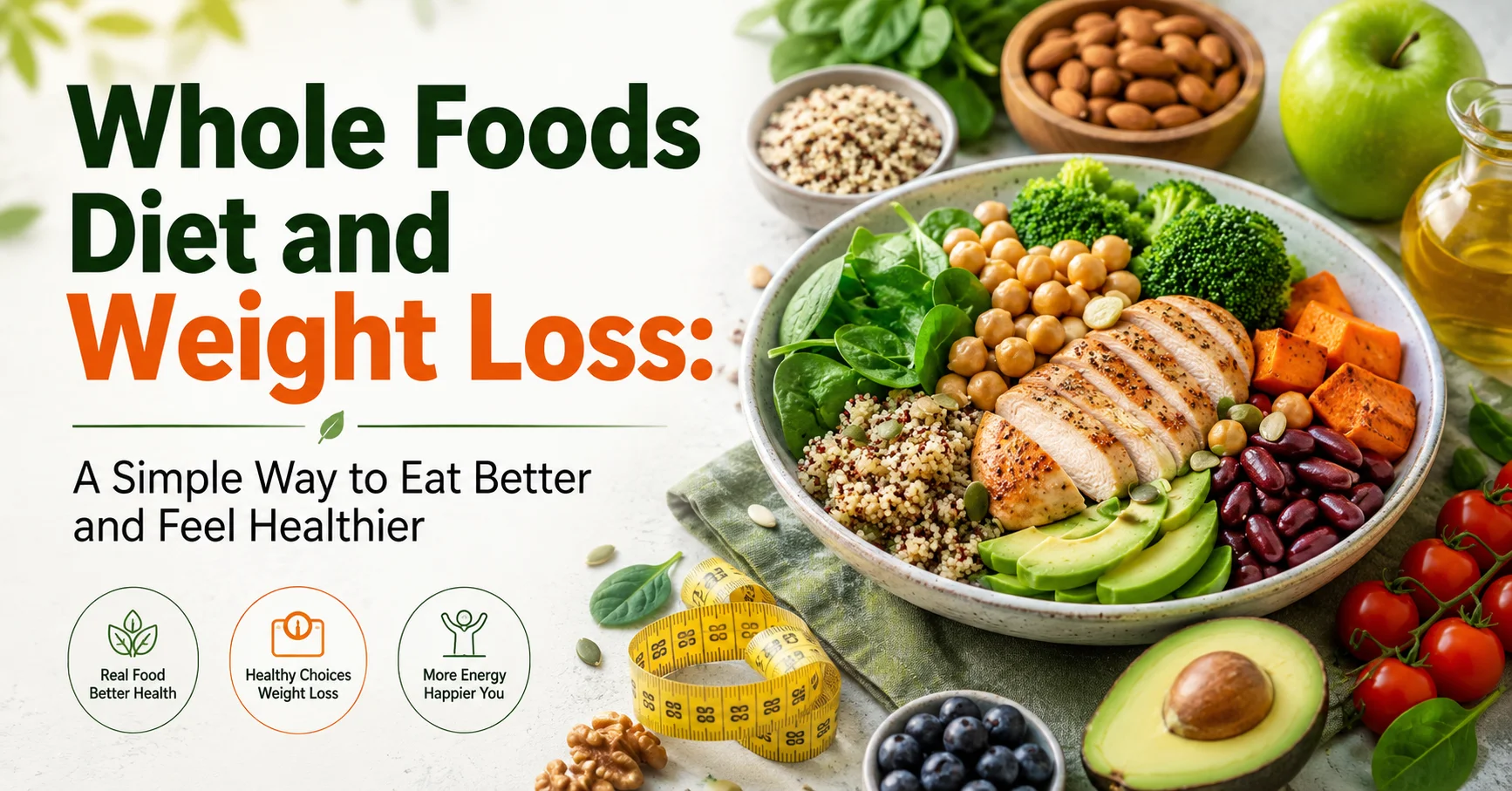
Whole foods include fruits, vegetables, whole grains, lean meats, seafood, beans, seeds, nuts, yogurt, and healthy oils. These foods give your body energy and help you stay full longer.
Processed foods are different. Chips, sugary cereal, soda, frozen dinners, and candy often contain extra sugar, refined flour, and unhealthy fats. These foods can make people overeat because they are less filling.
The best part about this eating style is flexibility. You do not need to remove every favorite food forever. Most people simply eat more natural foods and fewer processed products. That balance helps create healthy habits that last.
Many experts support the connection between the whole foods diet and weight loss because it improves eating quality without making life too strict.
Why Whole Foods Help With Weight Loss
Whole foods help with weight loss because they are usually rich in fiber and protein. These nutrients help control hunger and keep you satisfied after meals.
Fiber slows digestion. This means you stay full longer and avoid constant snacking. Foods like oats, vegetables, apples, lentils, and brown rice are great examples.
Protein also matters. Eggs, chicken, fish, yogurt, and beans help protect muscle while losing fat. Protein-rich meals often reduce cravings during the day.
Another reason whole foods work well is calorie control. Processed foods are easy to overeat because they are designed to taste highly rewarding. Whole foods are naturally filling, so people often eat less without trying.
I noticed this myself after replacing sugary snacks with fruit and nuts. I stopped feeling hungry every hour. My energy stayed more stable too.
This is why many nutrition experts recommend the whole foods diet and weight loss strategy for healthy and steady fat loss instead of fast crash diets.
Best Whole Foods for Healthy Weight Loss
Some whole foods are especially helpful for people trying to lose weight. These foods are filling, nutritious, and easy to include in daily meals.
Vegetables are one of the best choices. Broccoli, spinach, carrots, cucumbers, and peppers are low in calories but high in nutrients. They add volume to meals and help prevent overeating.
Fruits are another smart option. Apples, berries, oranges, and bananas can satisfy sweet cravings naturally. They also provide fiber and vitamins.
Whole grains such as oats, quinoa, and brown rice give lasting energy. Unlike white bread and sugary cereal, they digest more slowly.
Protein foods are important too. Eggs, fish, chicken breast, tofu, Greek yogurt, and beans help build satisfying meals.
Healthy fats also play a role. Avocados, olive oil, nuts, and seeds support fullness and heart health.
When building a whole foods diet and weight loss plan, choosing a variety of these foods makes healthy eating easier and more enjoyable.
Foods to Limit on a Whole Foods Diet
A whole foods lifestyle does not require perfection. Still, reducing certain foods can improve weight loss results and overall health.
Sugary drinks are one of the biggest problems. Soda, sweetcoffee drinks, and energy drinks add many calories without filling you up. Water, herbal tea, or sparkling water are better choices.
Packaged snacks can also slow progress. Chips, cookies, candy bars, and sugary cereal are easy to overeat because they contain refined ingredients.
Fast food meals often contain extra salt, unhealthy fats, and large portions. Eating them sometimes is okay, but daily fast food can make weight loss difficult.
White bread, pastries, and processed desserts may increase hunger quickly because they digest fast and spike blood sugar.
One thing that helped me was reading ingredient labels. If a food had a long list of hard-to-pronounce ingredients, I usually skipped it.
The goal of the whole foods diet and weight loss method is not fear or guilt. It is simply choosing foods that support better health most of the time.
A Simple Whole Foods Meal Plan
Many people think healthy eating takes too much time. In reality, simple meals often work best.
Breakfast could include oatmeal with berries and nuts. Another easy option is eggs with whole grain toast and fruit.
Lunch might be grilled chicken with brown rice and vegetables. A bean salad with olive oil dressing also works well.
Dinner can stay simple too. Salmon, roasted vegetables, and quinoa create a balanced meal that feels satisfying.
Healthy snacks include apples, yogurt, almonds, carrots, or boiled eggs. These foods help control hunger between meals.
Meal prep can save time during busy weeks. Washing vegetables, cooking rice, or preparing protein ahead makes healthy eating easier later.
A successful whole foods diet and weight loss plan should fit real life. Simple meals are easier to continue long term than complicated recipes.
How Whole Foods Improve Energy Levels
Many people notice more energy after eating whole foods regularly. This happens because natural foods provide steady fuel instead of quick sugar crashes.
Processed snacks may give short bursts of energy. However, those highs often lead to tiredness later. Whole foods digest more slowly and support balanced blood sugar.
Whole grains provide lasting energy for work, school, and exercise. Fruits and vegetables offer vitamins that help the body function properly.
Hydration also improves on a whole foods diet because many natural foods contain water. Cucumbers, oranges, watermelon, and soups support hydration naturally.
I remember feeling less sleepy during afternoons after switching from sugary snacks to balanced meals with protein and fiber. Small changes made a big difference over time.
The connection between the whole foods diet and weight loss becomes stronger when people feel more energetic and active throughout the day.
Whole Foods and Emotional Eating
Many people eat because of stress, boredom, or emotions. Processed comfort foods often become the first choice during difficult moments.
Whole foods can help create healthier eating habits because they support balanced blood sugar and fullness. Stable energy may reduce sudden cravings and mood swings.
Mindful eating also matters. Eating slowly and paying attention to hunger cues helps people enjoy food more and avoid overeating.
One helpful habit is keeping healthy snacks nearby. When fresh fruit or nuts are easy to grab, it becomes easier to avoid junk food.
Sleep and stress management are important too. Poor sleep often increases cravings for sugary foods.
The whole foods diet and weight loss approach works best when paired with healthy daily habits instead of strict punishment or guilt.
Grocery Shopping Tips for Beginners
Starting a whole foods lifestyle can feel overwhelming at first. Grocery shopping becomes easier with a simple plan.
Try shopping mostly around the outer sections of the store. Fresh produce, dairy, seafood, eggs, and meats are often located there.
Reading labels can also help. Choose foods with fewer ingredients and less added sugar when possible.
Frozen vegetables and fruits are great choices too. They are affordable, nutritious, and easy to store.
Buying snacks in small portions may reduce overeating. Preparing healthy foods ahead also helps during busy days.
One mistake many beginners make is changing everything overnight. Small changes usually last longer. Start with one healthy meal each day and build from there.
The best whole foods diet and weight loss results often come from consistency, not perfection.
Can You Eat Out on a Whole Foods Diet?
Yes, you can still enjoy restaurants while eating mostly whole foods. Balance matters more than perfection.
Many restaurants now offer healthier options like grilled chicken, salads, rice bowls, vegetables, and fresh seafood.
Simple swaps can make meals healthier. Choose water instead of soda. Pick baked potatoes instead of fries. Add vegetables when possible.
Portion sizes at restaurants are often large. Sharing meals or saving leftovers can help control calories.
I still enjoy pizza and burgers sometimes. The difference is that I eat them less often and focus on balance the rest of the week.
A realistic whole foods diet and weight loss plan should include flexibility. Strict diets often fail because they feel impossible to maintain.
Common Mistakes People Make
Some people think healthy eating means eating very little. That can lead to hunger, low energy, and binge eating later.
Others rely too much on “healthy” packaged snacks. Even natural snacks can contain extra sugar and calories.
Skipping protein is another common mistake. Meals without protein may leave you hungry again quickly.
Some people also expect fast results. Healthy weight loss takes time. Slow progress is often easier to maintain long term.
Comparing yourself to others can also create frustration. Every body responds differently to food and exercise.
The whole foods diet and weight loss journey works best when people focus on better habits instead of quick fixes.
How Exercise Supports Weight Loss
Exercise is not required for weight loss, but it can improve results and overall health.
Walking is one of the easiest ways to stay active. Even short daily walks support heart health and calorie burning.
Strength training helps maintain muscle during weight loss. More muscle can also support metabolism.
Activities should feel enjoyable. Dancing, swimming, cycling, and sports all count as movement.
One thing I learned is that exercise works better when paired with healthy eating. Workouts alone cannot balance constant processed food intake.
The combination of movement and the whole foods diet and weight loss lifestyle often creates steady and sustainable progress.
Building Healthy Habits That Last
Lasting weight loss comes from habits, not temporary diets. Small daily choices matter more than extreme plans.
Cooking more meals at home helps people control ingredients and portions. Drinking enough water also supports healthy eating.
Keeping healthy foods visible can encourage better choices. Storing junk food out of sight may reduce temptation.
Tracking progress beyond the scale also helps. Better sleep, improved mood, and higher energy are important victories too.
Some weeks will feel easier than others. That is normal. Long-term success comes from continuing after setbacks instead of quitting completely.
The whole foods diet and weight loss lifestyle works because it focuses on real habits people can follow for years.
FAQs About Whole Foods Diet and Weight Loss
Can whole foods help you lose belly fat?
Whole foods may support belly fat loss because they reduce processed sugar and improve fullness. Healthy eating and regular activity work best together.
Are whole foods expensive?
Not always. Beans, oats, rice, eggs, frozen vegetables, and seasonal fruit are often affordable and nutritious.
How long does it take to lose weight on a whole foods diet?
Results vary for each person. Many people notice changes in energy and appetite within a few weeks.
Can I eat snacks on a whole foods diet?
Yes. Healthy snacks like fruit, yogurt, nuts, and boiled eggs fit well into this eating style.
Is a whole foods diet safe for families?
In most cases, yes. Eating more fruits, vegetables, whole grains, and lean proteins supports healthy family meals.
Do I need to count calories?
Some people count calories, but many lose weight simply by eating more filling whole foods and fewer processed meals.
Conclusion
The truth is that healthy eating does not need to feel extreme or stressful. The whole foods diet and weight loss approach focuses on simple, natural foods that nourish the body and support lasting habits.
Instead of chasing quick fixes, this lifestyle encourages balance, consistency, and real nourishment. Fruits, vegetables, whole grains, healthy fats, and protein-rich foods can help control hunger and improve energy naturally.
What makes this approach powerful is its simplicity. You do not need perfect meals every day. Small changes matter. Replacing sugary drinks, cooking at home more often, and eating more natural foods can create real progress over time.
If you are tired of confusing diets, this may be the fresh start you need. Start small, stay patient, and focus on building habits you can enjoy for life.
