
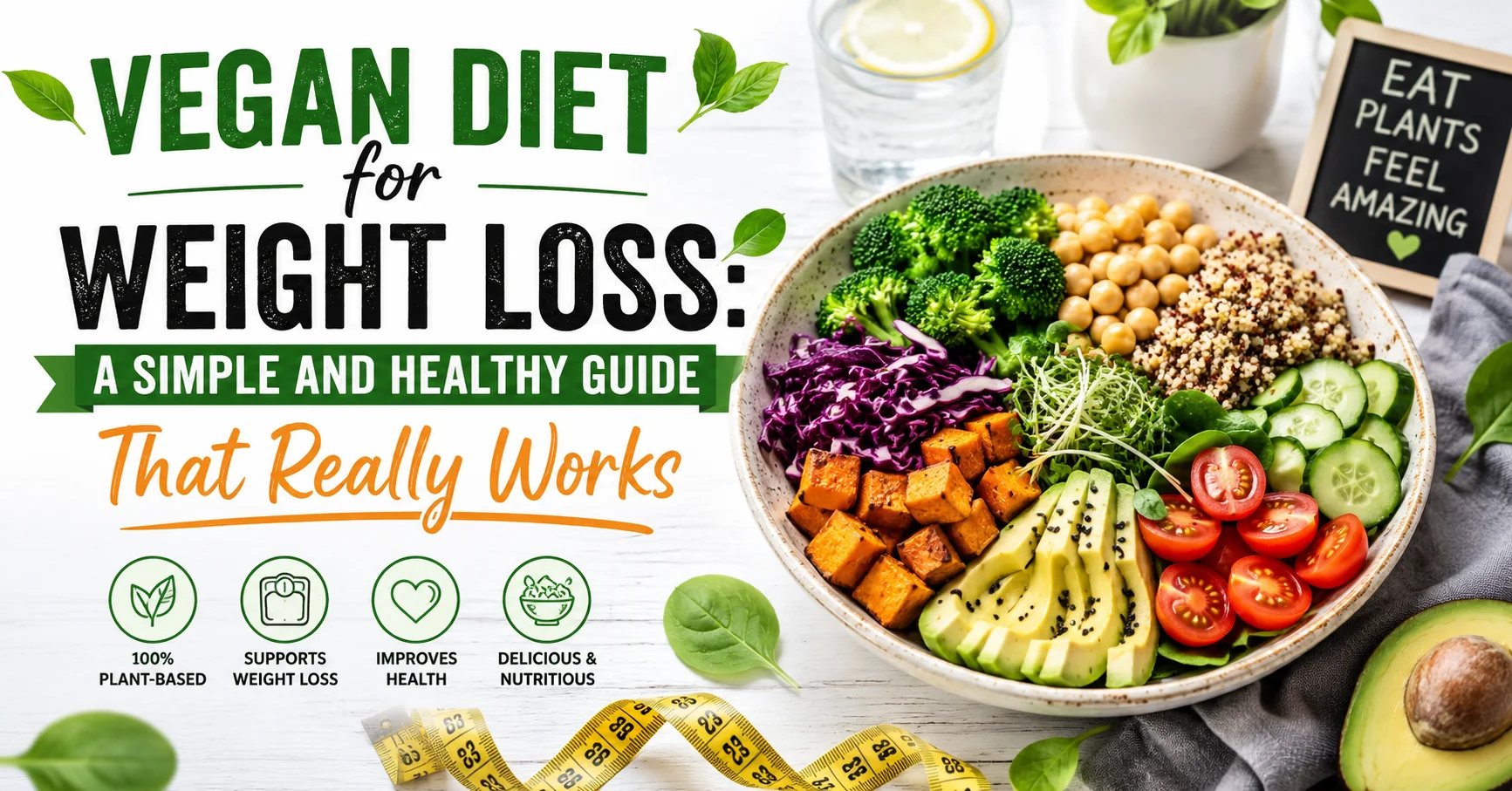
Losing weight can feel hard. Many diets promise fast results, but most are difficult to follow. A vegan diet for weight loss is different. It focuses on real, plant-based foods that help you feel full, healthy, and energized. Many people choose this lifestyle not only for weight loss but also for better health and improved daily habits.
A vegan diet removes all animal products. That means no meat, fish, eggs, milk, or cheese. Instead, meals include fruits, vegetables, beans, grains, nuts, and seeds. These foods are often lower in calories and higher in fiber. Fiber keeps you full longer and helps reduce overeating.
I have seen many people succeed with this approach because it feels less restrictive than crash diets. Instead of starving yourself, you learn how to eat smarter. The key is balance, portion control, and choosing whole foods over processed snacks. When done correctly, a vegan diet can support healthy and long-lasting weight loss without making you feel miserable.
What Is a Vegan Diet?
A vegan diet is a way of eating that includes only plant-based foods. It avoids all animal products and focuses on foods that come from plants. Common vegan foods include fruits, vegetables, lentils, beans, rice, oats, nuts, seeds, and plant-based milk.
Many people think vegan eating is boring, but that is not true. There are thousands of delicious vegan meals available today. Smoothies, soups, salads, pasta dishes, tacos, grain bowls, and even desserts can all be vegan. The variety makes it easier to stick with the diet long term.
One reason a vegan diet for weight loss works well is because plant foods are naturally rich in nutrients. They often contain fewer calories than processed fast food or heavy meat-based meals. A large salad with beans and vegetables can fill your stomach without adding too many calories.
This eating style also encourages mindful food choices. People often cook more at home and eat fewer unhealthy snacks. Over time, these habits can create steady and healthy weight loss results.
Why a Vegan Diet Helps With Weight Loss
Many plant-based foods are lower in calories but high in fiber and water. This combination helps you feel satisfied after meals. When you feel full, you are less likely to snack or overeat later in the day.
Fiber is one of the biggest reasons a vegan diet for weight loss is effective. Foods like oats, beans, lentils, vegetables, and fruits digest slowly. They keep hunger under control for longer periods. Processed foods and sugary snacks often do the opposite.
Plant-based eating may also improve digestion and energy levels. Some people notice less bloating and better sleep after switching to a healthier diet. Feeling healthier often leads to better daily habits, including exercise and hydration.
Another benefit is reduced intake of unhealthy fats found in many fried and processed foods. Vegan diets are not automatically healthy, but choosing whole plant foods can help reduce excess calorie intake naturally.
Healthy weight loss usually happens slowly. Most people see better long-term success when they lose weight gradually rather than trying extreme diets.
Best Foods to Eat on a Vegan Weight Loss Diet
The best vegan foods for weight loss are whole, natural, and minimally processed. These foods provide vitamins, minerals, and fiber while keeping calories lower.
Vegetables should be a major part of your meals. Leafy greens, carrots, broccoli, cauliflower, cucumbers, tomatoes, and peppers are excellent choices. They are filling and nutrient-rich.
Fruits are also helpful when eaten in balance. Apples, berries, oranges, bananas, and watermelon make great snacks or breakfast additions. They can satisfy sweet cravings naturally.
Protein is important too. Many people worry about protein on a vegan diet, but there are many good sources. Beans, lentils, tofu, tempeh, chickpeas, and edamame provide plant protein that supports muscle health and fullness.
Whole grains like oats, quinoa, brown rice, and whole wheat bread provide energy and fiber. Healthy fats from nuts, seeds, avocados, and olive oil should also be included in moderate amounts.
Drinking enough water is another important habit. Sometimes thirst feels like hunger, which leads to unnecessary snacking.
Foods to Avoid for Better Results
Not all vegan foods support weight loss. Some plant-based products are highly processed and full of sugar, oil, and extra calories. Vegan cookies, chips, fried foods, and sugary drinks can slow progress quickly.
Many packaged vegan meals contain high amounts of sodium and unhealthy fats. Reading labels can help you make smarter choices. Look for foods with simple ingredients and less added sugar.
White bread, sugary cereal, candy, and sweet coffee drinks may also lead to overeating. These foods digest quickly and leave you hungry again soon after eating.
One mistake people make with a vegan diet for weight loss is assuming everything labeled “vegan” is healthy. Vegan junk food still counts as junk food.
It helps to focus on whole foods most of the time. That does not mean you can never enjoy treats. Balance matters more than perfection. Having occasional snacks is fine if your main meals are nutritious and controlled in portion size.
How to Start a Vegan Diet the Easy Way
Starting slowly often works better than changing everything overnight. Some people begin by eating one vegan meal each day. Others remove meat first and slowly replace dairy and eggs later.
Meal planning makes the process easier. Keeping healthy foods ready in your kitchen reduces the chance of grabbing unhealthy snacks. Frozen vegetables, canned beans, oats, fruit, and rice are simple staples to keep on hand.
Breakfast can be easy. Oatmeal with fruit and nuts is filling and healthy. Lunch might include a salad with chickpeas or a vegetable wrap. Dinner could be brown rice with tofu and roasted vegetables.
Trying new recipes helps prevent boredom. Social media, cooking blogs, and videos offer endless vegan meal ideas. Over time, plant-based eating becomes more natural.
Do not expect perfection in the beginning. Most successful people improve gradually. Small changes done consistently often lead to better long-term weight loss than strict short-term dieting.
Importance of Protein on a Vegan Diet
Protein helps repair muscles and keeps you feeling satisfied. Some people believe vegan diets lack protein, but this is usually untrue when meals are balanced properly.
Good vegan protein sources include tofu, lentils, black beans, chickpeas, tempeh, quinoa, hemp seeds, and peanut butter. Including protein with each meal helps control hunger and supports healthy weight management.
For example, adding beans to salads or tofu to stir-fries can make meals more filling. A smoothie with soy milk and chia seeds can also increase protein intake naturally.
People who exercise regularly may need more protein. Athletes and active individuals often benefit from planning meals carefully to meet their needs.
One helpful tip is combining protein with fiber-rich foods. This combination keeps energy levels steady and reduces cravings during the day. A balanced vegan diet for weight loss should always include enough protein for overall health.
Meal Planning Tips for Faster Success
Planning meals ahead saves time and reduces unhealthy food choices. When people feel tired or busy, they often choose fast food or snacks instead of balanced meals.
Preparing meals in advance can make healthy eating easier. Cooking rice, beans, and vegetables ahead of time gives you quick meal options during the week.
Portion control also matters. Even healthy foods can lead to weight gain if eaten in very large amounts. Using smaller plates and paying attention to hunger levels can help.
A balanced plate often includes vegetables, plant protein, healthy fats, and whole grains. This combination provides energy and satisfaction without excess calories.
Snacking should also be planned carefully. Healthy snacks include fruit, nuts, hummus with vegetables, or roasted chickpeas. Keeping unhealthy snacks out of the house can reduce temptation.
Consistency is more important than perfection. One unhealthy meal does not ruin progress. Healthy habits built over months create lasting results.
Common Mistakes People Make
One common mistake is eating too many processed vegan foods. Packaged snacks, vegan burgers, and sugary drinks may still contain high calories and little nutrition.
Another mistake is not eating enough protein or fiber. This can lead to constant hunger and overeating later in the day. Balanced meals are important for staying satisfied.
Some people also expect instant results. Healthy weight loss usually takes time. Rapid weight loss plans often fail because they are too difficult to maintain.
Skipping meals is another problem. Missing meals can increase cravings and cause binge eating later. Eating regular balanced meals helps keep energy stable.
Drinking calories is also something to watch. Fancy coffee drinks, soda, and sugary smoothies can add hundreds of extra calories quickly.
A successful vegan diet for weight loss focuses on simple, nutritious foods and realistic habits instead of extreme restrictions.
Benefits Beyond Weight Loss
Weight loss is not the only benefit of eating more plant-based foods. Many people notice better digestion, clearer skin, and improved energy after switching to healthier meals.
Plant-based diets may also support heart health because they are often lower in saturated fat. Eating more fruits and vegetables provides antioxidants and nutrients that support the body.
Some people report feeling mentally better too. Cooking fresh meals and improving eating habits can create a stronger sense of self-care and confidence.
Environmental concerns also motivate many vegans. Plant-based eating may reduce environmental impact compared to diets heavy in meat production.
Saving money can be another benefit. Beans, rice, oats, and vegetables are often cheaper than meat and processed fast food.
The biggest long-term advantage is sustainability. A diet that feels enjoyable and flexible is easier to maintain than a strict crash diet.
Exercise and Lifestyle Habits Matter Too
Diet is important, but lifestyle habits also affect weight loss success. Physical activity helps burn calories and supports overall health.
Walking is one of the easiest forms of exercise to start with. Even 20 to 30 minutes daily can make a difference. Strength training is also helpful because muscle burns more calories than fat.
Sleep matters more than many people realize. Poor sleep can increase hunger hormones and cravings for unhealthy foods. Most adults need around seven to nine hours of sleep each night.
Stress management is important too. Emotional eating often happens during stressful times. Activities like journaling, stretching, reading, or spending time outdoors may help reduce stress eating.
Hydration should not be ignored either. Drinking water before meals may help control appetite and prevent overeating.
Combining healthy habits with a vegan diet for weight loss often creates better and more lasting results.
Can You Lose Belly Fat With a Vegan Diet?
Many people want to lose belly fat specifically. While no diet targets one body area directly, a calorie-controlled vegan diet may help reduce overall body fat, including around the stomach.
Fiber-rich foods can reduce bloating and improve digestion. This sometimes makes the stomach appear flatter even before major weight loss happens.
Reducing sugary foods and processed snacks also helps control belly fat. Whole plant foods provide better nutrition and often reduce excess calorie intake naturally.
Exercise plays a role as well. Cardio and strength training together can support fat loss more effectively than dieting alone.
Patience is important. Belly fat often takes time to reduce. Healthy habits practiced consistently usually work better than quick fixes or detox programs.
Simple One-Day Vegan Meal Example
A healthy vegan day can be easy and delicious. Breakfast could include oatmeal with berries, chia seeds, and almond milk. This meal provides fiber and energy for the morning.
Lunch might include a large salad with chickpeas, cucumbers, tomatoes, avocado, and olive oil dressing. Adding whole grain bread makes it more filling.
For a snack, an apple with peanut butter works well. It combines natural sweetness with healthy fats and protein.
Dinner could include brown rice, tofu, broccoli, carrots, and a simple soy sauce dressing. This meal is balanced, satisfying, and easy to prepare.
Dessert can still fit into a healthy lifestyle. Fresh fruit or a small piece of dark chocolate can satisfy cravings without ruining progress.
Simple meals often work best because they are easier to prepare and repeat consistently.
FAQs About Vegan Diet for Weight Loss
Is a vegan diet good for quick weight loss?
A vegan diet may help some people lose weight quickly at first. However, healthy and slow weight loss is usually safer and easier to maintain long term.
Can I get enough protein on a vegan diet?
Yes. Beans, lentils, tofu, tempeh, nuts, seeds, and soy products provide plenty of plant protein when eaten regularly.
Do I need to count calories on a vegan diet?
Not always. Many people lose weight naturally by eating whole plant foods. Still, portion awareness can help if progress feels slow.
Are vegan processed foods healthy?
Some are healthier than others. Many processed vegan foods contain extra sugar, salt, and oil. Whole foods are usually the better choice.
Can teenagers follow a vegan diet safely?
Yes, but balanced nutrition is important. Teenagers should include enough protein, iron, calcium, and healthy fats in meals.
How long does it take to see results?
Results vary for each person. Some notice changes within weeks, while others need several months of consistent healthy habits.
Conclusion
A vegan diet for weight loss can be a healthy and realistic way to improve your body and overall lifestyle. It focuses on whole plant foods that help control hunger, increase nutrition, and support steady fat loss. Unlike extreme diets, this approach encourages habits that people can maintain long term.
The key is balance. Eating more vegetables, fruits, whole grains, and plant proteins while limiting processed foods often leads to better results. Exercise, sleep, hydration, and stress management also play important roles.
You do not need to be perfect to succeed. Small improvements made consistently can create powerful changes over time. Start with simple meals, stay patient, and focus on progress instead of perfection. A healthier lifestyle is built one step at a time.
