

Introduction
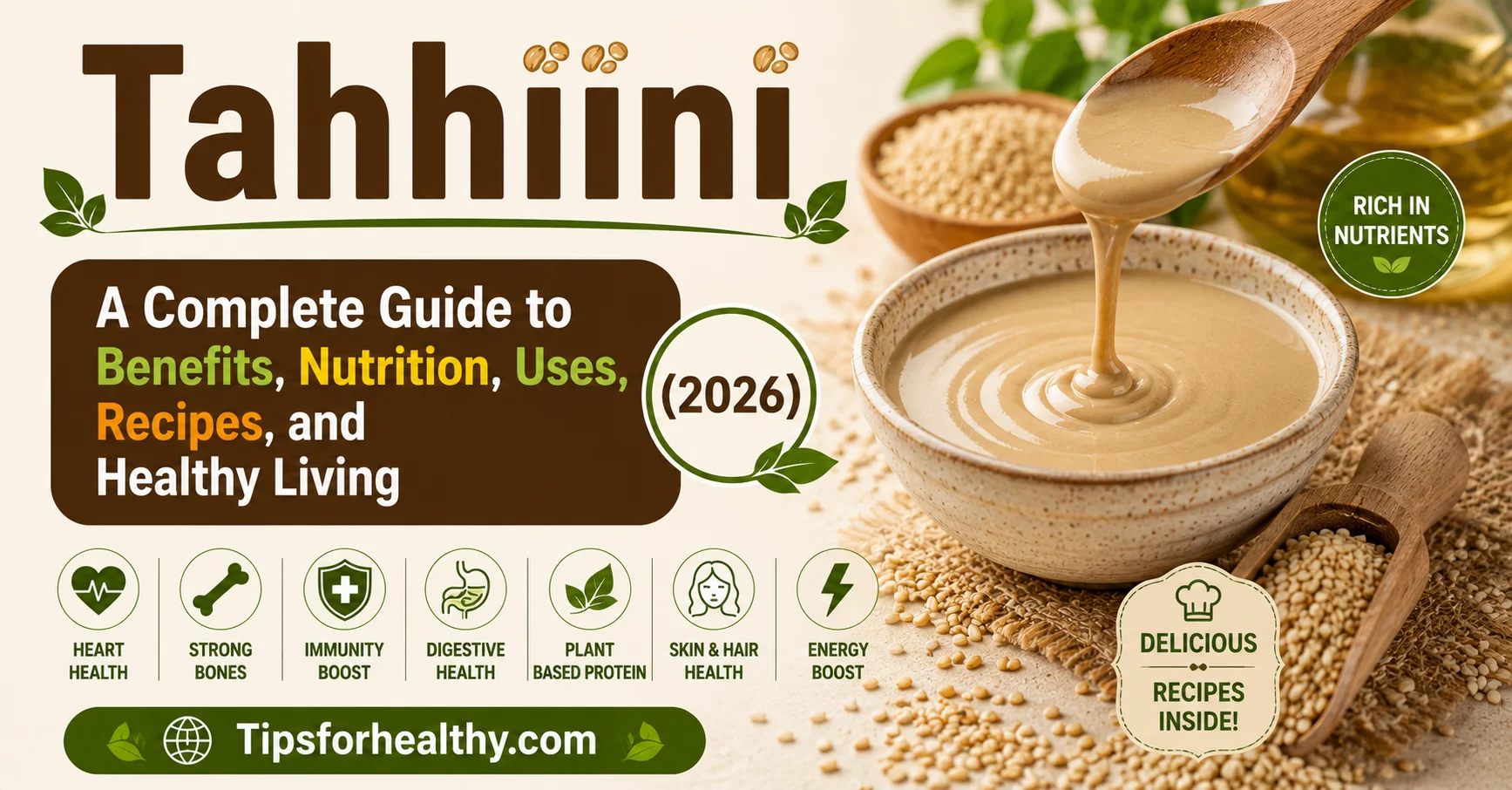
Tahhiini is one of the most loved ingredients in many kitchens around the world. It is creamy, rich, and full of natural flavor. While many people enjoy it in hummus, this simple sesame paste can do much more. You can spread it on toast, mix it into dressings, add it to desserts, or use it in healthy snacks. It is easy to enjoy and fits many eating styles.
If you want to eat more whole foods, Tahhiini is a smart choice. It contains healthy fats, plant protein, vitamins, and minerals that support overall wellness. It also brings a deep, nutty taste to meals without needing many extra ingredients. This guide explains everything you need to know in simple words. You will learn about nutrition, health benefits, cooking tips, storage, recipes, and common mistakes. Whether you are trying it for the first time or already love it, this guide will help you make the most of every spoonful.
What Is Tahhiini?
Understanding Tahhiini
Tahhiini is a smooth paste made from ground sesame seeds. Most brands use hulled sesame seeds, although some use unhulled seeds for a stronger flavor. The seeds are lightly roasted before being blended into a creamy paste. The result is rich, smooth, and naturally oily because sesame seeds contain healthy fats.
People have enjoyed sesame paste for hundreds of years. It is a key ingredient in Middle Eastern, Mediterranean, and North African cooking. Today, it has become popular worldwide because it is simple, nutritious, and very versatile. Many people use it in both sweet and savory dishes.
Is Tahhiini the Same as Tahini?
Yes. The word Tahhiini is simply another spelling of tahini. Both names describe the same sesame seed paste. Depending on the country or brand, you may see different spellings, but the product remains the same.
Quick Nutrition Facts
The table below shows the average nutrition for one tablespoon (about 15 grams).
| Nutrient | Approximate Amount |
|---|---|
| Calories | 90 |
| Protein | 3 g |
| Healthy Fat | 8 g |
| Carbohydrates | 3 g |
| Fiber | 1.5 g |
| Calcium | 60 mg |
| Iron | 1.3 mg |
| Magnesium | 32 mg |
| Phosphorus | 110 mg |
| Copper | High |
| Zinc | Moderate |
These values may change slightly between brands.
Why Tahhiini Is Good for Your Health
Rich in Healthy Fats
Not all fats are bad. Tahhiini contains mostly unsaturated fats. These fats help support heart health when eaten as part of a balanced diet. They can also help you stay full longer after meals.
Healthy fats also help your body absorb vitamins like A, D, E, and K. That means adding a spoonful of sesame paste to vegetables can make your meal even more nutritious.
A Good Plant Protein Source
People who eat less meat often look for plant protein options. Tahhiini provides a small but helpful amount of protein in every serving. When combined with foods like beans, lentils, or whole grains, it helps create balanced meals.
Protein supports muscles, skin, and many body functions. It also helps reduce hunger between meals.
Packed with Important Minerals
Sesame seeds naturally contain minerals that many people need more of. Calcium supports strong bones. Magnesium helps muscles and nerves work properly. Iron helps carry oxygen throughout the body.
Copper and phosphorus also support many body processes. Eating different healthy foods, including Tahhiini, helps you get a wide range of nutrients.
The Amazing Health Benefits of Tahhiini
Supports Heart Health
Tahhiini contains unsaturated fats instead of large amounts of saturated fat. Choosing healthier fats may help support normal cholesterol levels when combined with an overall healthy eating plan.
It also contains natural plant compounds called lignans and antioxidants. These compounds help protect cells from everyday damage caused by free radicals.
Helps Keep You Full
If you often feel hungry between meals, adding Tahhiini may help. The mix of healthy fats, protein, and fiber slows digestion. This can help you feel satisfied for a longer time.
Many people enjoy a tablespoon with sliced apples, bananas, or whole-grain crackers as a filling snack.
Supports Bone Strength
Healthy bones need more than calcium alone. Tahhiini provides magnesium and phosphorus too. These nutrients work together to support bone health throughout life.
Eating a variety of nutrient-rich foods remains the best way to support strong bones.
May Help Reduce Inflammation
Sesame seeds naturally contain antioxidants. These compounds help protect body cells from oxidative stress. Some early research suggests sesame compounds may help support normal inflammatory responses.
More studies are still needed, but adding natural foods like Tahhiini can be part of a healthy diet.
Different Types of Tahhiini
Hulled Tahhiini
This version removes the outer shell before grinding the sesame seeds. It has a lighter color and smoother texture. Most grocery stores sell this type because it has a mild taste.
Many beginners prefer hulled Tahhiini since it blends easily into recipes.
Unhulled Tahhiini
This type keeps the outer shell on the sesame seeds. It has a stronger flavor and a slightly thicker texture.
Because the shell remains, it usually contains a little more fiber and minerals.
Raw Tahhiini
Some companies make Tahhiini using raw sesame seeds instead of roasted ones. The flavor is lighter and slightly grassy.
People who enjoy minimally processed foods often choose this option.
Roasted Tahhiini
Roasted sesame seeds create a deeper, richer, nuttier flavor. This version works especially well in sauces, dips, and baked goods.
Many restaurants use roasted Tahhiini because it has a bold taste that stands out in recipes.
How to Use Tahhiini Every Day
Tahhiini is much more than an ingredient for hummus. Its creamy texture and rich flavor make it useful in many meals throughout the day. A single spoonful can add healthy fats, plant protein, and a nutty taste to both sweet and savory recipes. Because it blends easily with other ingredients, it is one of the simplest pantry staples to keep on hand.
The best part is its flexibility. You can stir it into sauces, drizzle it over roasted vegetables, spread it on toast, or mix it into smoothies. Small changes like these make meals more satisfying without adding highly processed ingredients. If you are trying to eat more whole foods, Tahhiini is an easy place to start.
Breakfast Ideas
Breakfast becomes more filling with a little Tahhiini. Spread it on whole-grain toast and top it with banana slices and a drizzle of honey. The combination offers healthy fats, fiber, and natural sweetness to help keep you energized during the morning.
You can also mix Tahhiini into oatmeal or yogurt for extra creaminess. Another simple idea is blending it into a smoothie with milk, frozen banana, dates, and cinnamon. These meals are quick, nutritious, and easy enough for busy mornings.
Lunch and Dinner Ideas
Tahhiini works wonderfully in savory meals. Whisk it with lemon juice, garlic, olive oil, and water to create a creamy dressing for salads or grain bowls. It also makes a delicious sauce for grilled vegetables, baked chicken, fish, or roasted potatoes.
You can stir it into soups for added richness or drizzle it over cooked rice, quinoa, or roasted chickpeas. Even simple sandwiches become more flavorful with a thin layer of Tahhiini instead of mayonnaise.
Healthy Snack Ideas
A healthy snack should satisfy hunger without relying on heavily processed foods. Tahhiini pairs well with fresh fruit, vegetable sticks, and whole-grain crackers. Apples, pears, celery, and carrots all taste great with a small spoonful of sesame paste.
You can also make homemade energy bites using oats, dates, peanut butter, and Tahhiini. These snacks travel well and provide lasting energy during busy days.
Simple Tahhiini Recipes Anyone Can Make
Cooking with Tahhiini does not require advanced kitchen skills. Most recipes take only a few minutes and use ingredients you may already have at home. These easy ideas let you enjoy its rich flavor while adding extra nutrition to everyday meals.
Whether you like creamy dips or sweet treats, there are many ways to include Tahhiini in your weekly menu.
Classic Tahhiini Dressing
This simple dressing works with salads, roasted vegetables, wraps, and grain bowls.
| Ingredient | Amount |
|---|---|
| Tahhiini | ¼ cup |
| Lemon juice | 2 tablespoons |
| Garlic, minced | 1 clove |
| Olive oil | 1 tablespoon |
| Water | 2–4 tablespoons |
| Salt | To taste |
| Black pepper | To taste |
Mix everything until smooth. Add more water if needed for a thinner consistency.
Creamy Hummus
Hummus would not have its famous creamy texture without Tahhiini. Blend cooked chickpeas, Tahhiini, lemon juice, garlic, olive oil, cumin, and a little water until smooth. Serve with vegetables, pita bread, or crackers.
Tahhiini Banana Smoothie
Blend together:
- 1 ripe banana
- 1 tablespoon Tahhiini
- 1 cup milk or plant milk
- 2 dates
- Ice cubes
- A pinch of cinnamon
This smoothie makes a filling breakfast or afternoon snack.
Healthy Tahhiini Cookies
Mix oat flour, mashed banana, Tahhiini, cinnamon, and dark chocolate chips. Bake until lightly golden. These cookies contain less added sugar than many packaged desserts while still tasting delicious.
How to Choose the Best Tahhiini
Shopping for Tahhiini may seem confusing because many brands look similar. Reading the ingredient label makes the choice much easier. The highest-quality products usually contain only one ingredient: sesame seeds. There is no need for added sugar, artificial flavors, or unnecessary preservatives.
The texture may vary slightly between brands. Some are thick while others are naturally runny because sesame oil separates during storage. This separation is completely normal and simply requires stirring before use.
What to Look For
Choose products that list only sesame seeds as the main ingredient. Organic options are available if that matches your preference, but the most important factor is overall quality and freshness.
Fresh Tahhiini should have a pleasant nutty aroma without any bitter or sour smell.
What to Avoid
Avoid products with large amounts of added oils, sugar, or artificial ingredients. While these additions may improve texture, they often reduce the natural quality of the sesame paste.
If the product smells rancid or tastes unusually bitter, it is best not to use it.
How to Store Tahhiini Properly
Proper storage helps keep Tahhiini fresh for several months. Because it naturally contains healthy oils, you may notice oil rising to the top after sitting on the shelf. This is completely normal and does not mean the product has spoiled.
Always stir the oil back into the paste before using it. A sturdy spoon works better than shaking the jar.
Pantry Storage
An unopened jar can usually stay in a cool, dry pantry until the expiration date printed on the label. Keep it away from direct sunlight and heat.
Once opened, tightly close the lid after every use to maintain freshness.
Refrigerator Storage
Many people refrigerate Tahhiini after opening. Chilling helps extend freshness, especially in warm climates. The paste may become thicker in the refrigerator, but stirring usually restores its creamy texture.
If it becomes too thick, mix in a small amount of warm water before using it in recipes.
Possible Side Effects and Precautions
Tahhiini is considered safe for most healthy people when eaten in moderate amounts. Like any food, it should fit into a balanced eating pattern rather than replacing other nutritious foods. Since it is calorie-dense, very large portions may add more calories than expected.
A serving of one or two tablespoons is enough for most meals and snacks.
Sesame Allergy
People with a sesame allergy should completely avoid Tahhiini because it is made entirely from sesame seeds. Allergic reactions can range from mild itching to severe symptoms that require immediate medical care.
Always read food labels carefully if you have food allergies.
Portion Awareness
Although Tahhiini contains many nutrients, it is also rich in healthy fats and calories. Eating reasonable portions allows you to enjoy its benefits while maintaining balance in your daily diet.
Using it as part of meals instead of eating large amounts by itself is usually the best approach.
Tahhiini vs Other Popular Spreads
Many people compare Tahhiini with other creamy spreads when choosing healthy foods. Each option has its own taste, nutrition, and best uses. Tahhiini stands out because it is made from just sesame seeds and contains healthy fats, plant protein, and important minerals.
The best spread depends on your personal taste and dietary needs. Looking at the nutrition and ingredients can help you make a smart choice.
Quick Comparison Table
| Feature | Tahhiini | Peanut Butter | Almond Butter |
|---|---|---|---|
| Main Ingredient | Sesame Seeds | Peanuts | Almonds |
| Plant Protein | Good | Higher | Good |
| Healthy Fats | High | High | High |
| Calcium | Excellent | Low | Moderate |
| Iron | Good | Moderate | Moderate |
| Texture | Smooth and Creamy | Thick | Creamy |
| Flavor | Nutty and Slightly Bitter | Rich and Sweet | Mild and Nutty |
| Best For | Sauces, Dips, Dressings, Desserts | Sandwiches, Smoothies | Snacks and Baking |
Common Mistakes People Make
Even healthy foods can be disappointing if they are not used correctly. Many people think they dislike Tahhiini when the real problem is choosing the wrong product or using it incorrectly. Learning a few simple tips can improve both taste and texture.
Small changes in storage and preparation make a big difference. Once you understand how Tahhiini works, it becomes much easier to enjoy.
Not Stirring Before Use
Natural sesame oil often separates from the paste while it sits on the shelf. This is completely normal. Always stir the jar well before using it to create a smooth consistency.
Using Too Much
Tahhiini is rich and flavorful. A small amount goes a long way. Start with one tablespoon and add more only if needed.
Expecting It to Taste Sweet
Unlike many nut butters, Tahhiini has a naturally earthy and slightly bitter taste. Mixing it with lemon juice, garlic, honey, maple syrup, or dates creates a more balanced flavor.
Ignoring Freshness
Fresh Tahhiini tastes smooth and nutty. Old or poorly stored products may develop a bitter or stale flavor. Always check the expiration date and store the jar correctly after opening.
Who Should Eat Tahhiini?
Tahhiini fits into many healthy eating patterns because it is naturally plant-based and versatile. It works well for people who enjoy whole foods and want simple ingredients in their meals.
Still, every person’s nutritional needs are different. It is always wise to eat a variety of healthy foods rather than relying on a single ingredient.
Great for Vegetarians and Vegans
Since Tahhiini is made entirely from sesame seeds, it is naturally vegan and vegetarian. It adds healthy fats, minerals, and plant protein to meals without using animal products.
Helpful for Active People
People with active lifestyles often need foods that provide lasting energy. The healthy fats and protein in Tahhiini can help make meals more satisfying before or after physical activity.
Good for Families
Children and adults alike can enjoy Tahhiini in many recipes. It mixes easily into sandwiches, smoothies, oatmeal, and homemade dips, making nutritious meals more enjoyable.
Frequently Asked Questions
Is Tahhiini healthy?
Yes. Tahhiini is rich in healthy fats, plant protein, fiber, calcium, magnesium, iron, and antioxidants. When eaten in moderation, it can be part of a balanced diet.
Can I eat Tahhiini every day?
Most healthy adults can enjoy one or two tablespoons daily as part of a varied diet. Portion size should match your overall calorie needs.
Does Tahhiini contain dairy?
No. Traditional Tahhiini is made only from sesame seeds and is naturally dairy-free.
Is Tahhiini gluten-free?
Yes. Pure Tahhiini contains no gluten. Always check the label if you have celiac disease or gluten sensitivity to ensure there is no cross-contamination.
Does Tahhiini help with weight loss?
Tahhiini is not a weight-loss food by itself. However, its protein, healthy fats, and fiber may help you feel full longer, making balanced eating easier.
Can children eat Tahhiini?
Yes, unless they have a sesame allergy. It can be added to healthy meals and snacks in age-appropriate portions.
Why does oil separate in the jar?
Sesame seeds naturally contain oil. Separation is normal and simply means the product has not been heavily processed. Stir well before each use.
Can I cook with Tahhiini?
Absolutely. You can use it in sauces, soups, baked goods, salad dressings, marinades, desserts, and dips.
Is Tahhiini better than peanut butter?
Neither is better for everyone. Tahhiini provides more calcium and certain minerals, while peanut butter usually contains more protein. Both can fit into a healthy diet.
How long does Tahhiini last after opening?
When stored properly in a cool place or refrigerator, most opened jars stay fresh for several months. Always follow the storage instructions on the label.
Final Thoughts
Tahhiini is much more than a simple sesame seed paste. It is a wholesome, versatile ingredient that can bring both flavor and nutrition to everyday meals. From creamy dressings and homemade hummus to smoothies and baked treats, there are countless ways to enjoy it. Its healthy fats, plant protein, fiber, and essential minerals make it a valuable addition to a balanced eating plan.
The key is moderation and variety. Use Tahhiini alongside fruits, vegetables, whole grains, legumes, and other nutritious foods to build satisfying meals. Choose products made from 100% sesame seeds, store them properly, and experiment with different recipes to discover your favorites.
Whether you are preparing quick breakfasts, healthy snacks, or family dinners, Tahhiini offers a simple way to add rich flavor and wholesome nutrition. Start with one recipe, explore new ideas, and enjoy this timeless ingredient as part of a healthy lifestyle.
