

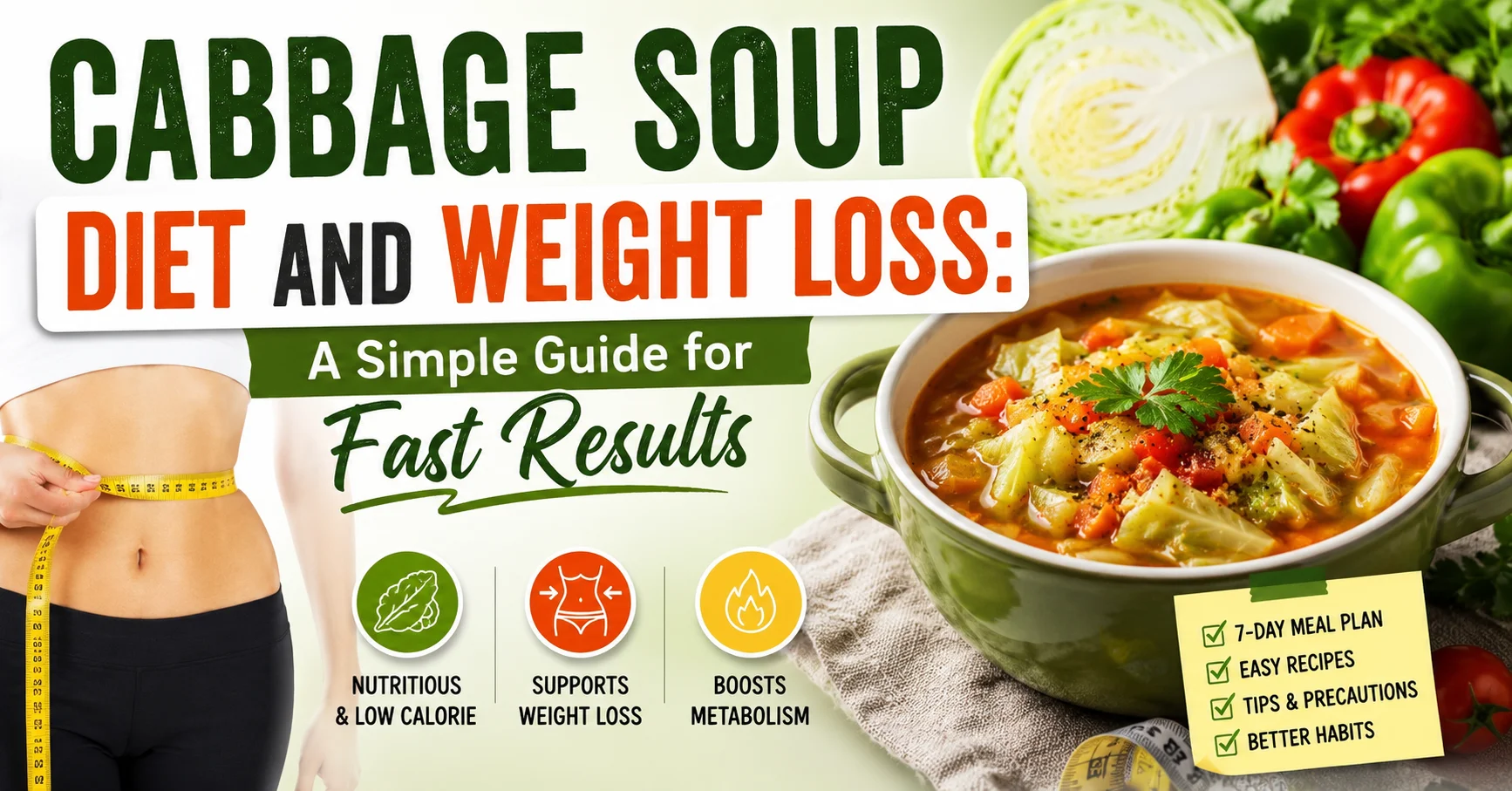
Many people want to lose weight quickly. Some want to feel lighter before a wedding. Others want a fresh start after unhealthy eating habits. This is why the cabbage soup diet and weight loss topic stays popular year after year. It promises fast results with a simple meal plan that almost anyone can follow.
The cabbage soup diet is a short-term eating plan. It usually lasts seven days. During this time, people eat large amounts of cabbage soup along with a few other low-calorie foods. The goal is to reduce calorie intake while still feeling full. Since cabbage is low in calories and high in water, it helps many people eat less without feeling hungry all the time.
Still, this diet is not magic. It has benefits, but it also has limits. Some people lose weight quickly, while others struggle to stay on the plan. In this guide, you will learn how the diet works, what foods you can eat, possible risks, and ways to make it healthier and easier to follow.
What Is the Cabbage Soup Diet?
The cabbage soup diet is a low-calorie eating plan built around homemade cabbage soup. Most versions last for seven days. During the week, people eat soup several times daily along with certain foods allowed on each day.
The diet became popular because it is simple and cheap. You only need basic vegetables and a few extra foods. Many people like it because there are no expensive products or complicated recipes. You can make a large pot of soup and eat it throughout the week.
The idea behind the plan is simple. By eating fewer calories than your body burns, you may lose weight quickly. Since cabbage soup contains lots of water and fiber, it may help you stay full longer. This can reduce cravings and unnecessary snacking.
However, much of the early weight loss comes from water weight. That means results may not last unless healthy habits continue after the diet ends. This is why experts often recommend using it only for short-term motivation rather than a long-term lifestyle.
Why People Try the Cabbage Soup Diet
People choose this diet for many reasons. Some want quick results. Others feel stuck and need a reset. The fast changes on the scale can feel exciting and motivating.
One reason the cabbage soup diet and weight loss plan attracts attention is because it removes many processed foods. During the diet, people usually avoid sugary snacks, fried meals, and fast food. This alone can make people feel lighter and more energetic.
Another reason is affordability. Cabbage, onions, tomatoes, celery, and carrots are inexpensive in most places. Families on a budget often appreciate simple meal plans that do not require special ingredients.
I once tried a lighter version of this diet after a holiday season full of heavy meals. The biggest benefit was not just the weight change. It helped me stop constant snacking and late-night eating. After a few days, I noticed I was paying more attention to hunger signals instead of eating out of boredom.
Still, the diet can feel repetitive. Eating similar meals every day becomes difficult for many people after the third or fourth day.
How the Diet Works
The cabbage soup diet works mainly by lowering calorie intake. Most people consume far fewer calories than normal during the week. When this happens, the body starts using stored energy, which can lead to weight loss.
Cabbage itself is very low in calories. One cup contains only a small amount of calories but offers fiber and water. Fiber helps digestion and may reduce hunger. Water-rich foods also help people feel full without adding many calories.
Here is a simple look at why the diet may lead to quick changes:
| Factor | How It Helps Weight Loss |
|---|---|
| Low calories | Helps create calorie deficit |
| High water content | Reduces bloating |
| Fiber-rich vegetables | Helps fullness |
| Reduced junk food | Lowers sugar and fat intake |
| Short-term structure | Encourages discipline |
Even though the plan can lead to fast results, it is not balanced enough for long-term use. Protein, healthy fats, and important nutrients may be too low. This is why many health experts suggest limiting the diet to one week.
Common Ingredients in Cabbage Soup
The soup recipe can vary, but most versions use similar vegetables. These ingredients are chosen because they are low in calories and easy to cook.
A basic cabbage soup often includes cabbage, onions, tomatoes, celery, carrots, and green peppers. Some people add garlic, herbs, or spices for flavor. Vegetable broth or low-sodium soup stock is also common.
Here is a basic ingredient table:
| Ingredient | Main Benefit |
|---|---|
| Cabbage | Low calorie and filling |
| Tomatoes | Adds flavor and vitamins |
| Celery | High water content |
| Onion | Boosts taste naturally |
| Carrots | Adds fiber and sweetness |
| Garlic | Strong flavor with few calories |
One helpful trick is adding herbs instead of heavy sauces. Black pepper, parsley, paprika, and chili flakes improve taste without adding many calories. This makes the soup more enjoyable during the week.
A Typical 7-Day Meal Plan
Different versions exist, but many follow a similar structure. The soup is eaten daily, while other foods change each day.
Day 1
Mostly fruits and cabbage soup. Bananas are usually avoided.
Day 2
Vegetables and soup. Some plans allow one baked potato.
Day 3
Fruits, vegetables, and soup together.
Day 4
Bananas, skim milk, and soup.
Day 5
Lean protein like chicken or fish with tomatoes and soup.
Day 6
Protein and vegetables with soup.
Day 7
Brown rice, vegetables, fruit juice, and soup.
The structure keeps calories low while adding some variety. Still, many people feel hungry or tired during certain days. Drinking enough water is very important because the body may lose fluids quickly.
Benefits of the Cabbage Soup Diet
One major benefit is fast weight loss. Seeing quick progress may help some people feel motivated. This can encourage healthier habits later.
Another advantage is simplicity. There are no difficult calculations or complicated meal-prep systems. Most ingredients are easy to find and inexpensive.
The diet may also reduce bloating. Since processed foods and salty snacks are removed, some people feel less swollen after a few days. Increased vegetable intake can improve digestion as well.
Many people also appreciate the structure. Instead of wondering what to eat, the meal plan provides clear guidance. This can reduce overeating for people who struggle with portion control.
Some users report feeling mentally refreshed after the diet because they stop eating excessive sugar and junk food. Even though the diet is strict, it may help break unhealthy eating patterns for a short time.
Possible Side Effects and Risks
Despite the benefits, there are downsides to consider. The diet is very low in calories. This can lead to tiredness, headaches, weakness, or irritability.
Some people also experience digestive problems. Since cabbage contains lots of fiber, bloating and gas are common. Drinking water may help, but discomfort can still happen.
Another issue is muscle loss. Because protein intake is low on some days, the body may lose muscle along with fat. This is not ideal for long-term health or metabolism.
The diet can also become mentally difficult. Eating similar foods daily may increase cravings. Some people end up overeating once the diet ends.
Doctors often warn that the cabbage soup diet and weight loss method is not suitable for long periods. It lacks enough healthy fats and balanced nutrition for lasting health.
Tips to Make the Diet Healthier
You can improve the diet with a few smart changes. Small adjustments may help you feel better while still supporting weight loss goals.
First, add lean protein when possible. Chicken breast, boiled eggs, tofu, or beans can help protect muscle and improve fullness. Protein also supports energy levels.
Second, reduce sodium. Many canned soups and broth cubes contain too much salt. Too much sodium may cause water retention and bloating. Choose low-sodium options when possible.
Third, drink enough water. Because the diet is low in calories, hydration becomes even more important. Herbal tea and plain water are good choices.
Another smart tip is gentle exercise. Walking or stretching works better than intense workouts during this diet. Heavy exercise may feel difficult because calorie intake is lower than normal.
Lastly, avoid repeating the diet too often. Healthy long-term habits matter more than short-term restrictions.
Does the Weight Stay Off?
This is one of the biggest questions people ask. The answer depends on what happens after the diet ends.
Many people regain weight if they return to old eating habits. Since much of the early loss comes from water weight, the scale may rise again quickly.
However, some people use the diet as a starting point. They continue eating more vegetables, smaller portions, and fewer processed foods after the week ends. In these cases, the diet can help build momentum toward healthier living.
The key is transition. After finishing the soup diet, move slowly into balanced meals. Include lean protein, whole grains, healthy fats, fruits, and vegetables.
Crash dieting alone rarely creates lasting results. Long-term success comes from habits you can maintain for months and years.
Best Foods to Eat After the Diet
What you eat after the diet matters greatly. Jumping straight back into fast food and sugary drinks may undo progress quickly.
Focus on balanced meals with protein, fiber, and healthy fats. These foods help maintain fullness and support steady energy.
Good choices include:
- Grilled chicken
- Eggs
- Brown rice
- Oats
- Greek yogurt
- Fruits
- Vegetables
- Nuts in small amounts
One helpful strategy is keeping soup in your routine. You do not need to eat only cabbage soup. Vegetable soups can remain a healthy lunch or dinner option a few times weekly.
People who continue eating mostly whole foods often maintain results more successfully than those who return to processed meals.
Who Should Avoid the Cabbage Soup Diet?
This diet is not right for everyone. Pregnant women, teenagers, and people with certain health conditions should avoid restrictive meal plans unless guided by a doctor.
People with diabetes should also be careful. The changing carbohydrate intake may affect blood sugar levels. Those with kidney problems or digestive disorders should speak with a healthcare professional first.
Athletes and very active individuals may struggle because the calorie intake is too low to support hard training sessions.
If you have a history of disordered eating, strict diets may create unhealthy patterns. A balanced approach is usually safer and more sustainable.
Healthy Alternatives for Long-Term Weight Loss
The cabbage soup diet may help short-term motivation, but sustainable habits usually work better over time.
A balanced calorie deficit is often more effective and easier to maintain. This means eating slightly fewer calories while still enjoying nutritious meals.
Good long-term habits include:
- Eating more vegetables
- Choosing whole foods
- Limiting sugary drinks
- Walking daily
- Sleeping enough
- Managing stress
- Eating protein regularly
These changes may seem slower, but they support lasting health. Fast results are exciting, but consistency matters more in the long run.
Common Mistakes People Make
One common mistake is starving outside the meal plan. Some people skip meals to lose weight faster. This usually backfires and causes overeating later.
Another mistake is not drinking enough water. Fiber-rich diets need proper hydration to support digestion.
Some people also believe the diet burns fat magically. In reality, the weight loss mostly comes from reduced calorie intake.
Another issue is repeating the diet too often. Extreme restriction may slow metabolism and create unhealthy eating habits over time.
The smartest approach is viewing the diet as a temporary tool, not a permanent lifestyle.
FAQs About Cabbage Soup Diet and Weight Loss
How much weight can you lose on the cabbage soup diet?
Many people report losing between 5 and 10 pounds in one week. Results vary based on body size, water retention, and activity level.
Is cabbage soup healthy?
The soup itself contains healthy vegetables and fiber. However, the overall diet is too limited for long-term nutrition.
Can I exercise during the diet?
Light exercise like walking is usually fine. Intense workouts may feel difficult because calorie intake is low.
Does the cabbage soup diet burn fat?
Some fat loss may happen, but much early weight loss is water weight.
Can vegetarians follow this diet?
Yes. Vegetable broth and plant-based protein sources can work well in the meal plan.
How often can I do the cabbage soup diet?
Most experts recommend using it only occasionally and not for long periods.
Final Thoughts
The cabbage soup diet and weight loss approach can produce quick results, especially for people looking for a short-term reset. The diet is simple, affordable, and easy to follow. Many people enjoy the fast progress during the first week.
Still, it is not a long-term solution. The low calorie intake and limited nutrition make it difficult to sustain. Lasting weight loss comes from healthy daily habits, balanced meals, regular movement, and consistency over time.
If you decide to try the cabbage soup diet, focus on using it as a temporary starting point instead of a permanent fix. Listen to your body, stay hydrated, and slowly transition into healthier eating habits afterward.
Real success is not only about losing weight quickly. It is about building a lifestyle you can enjoy and maintain for years to come.
