

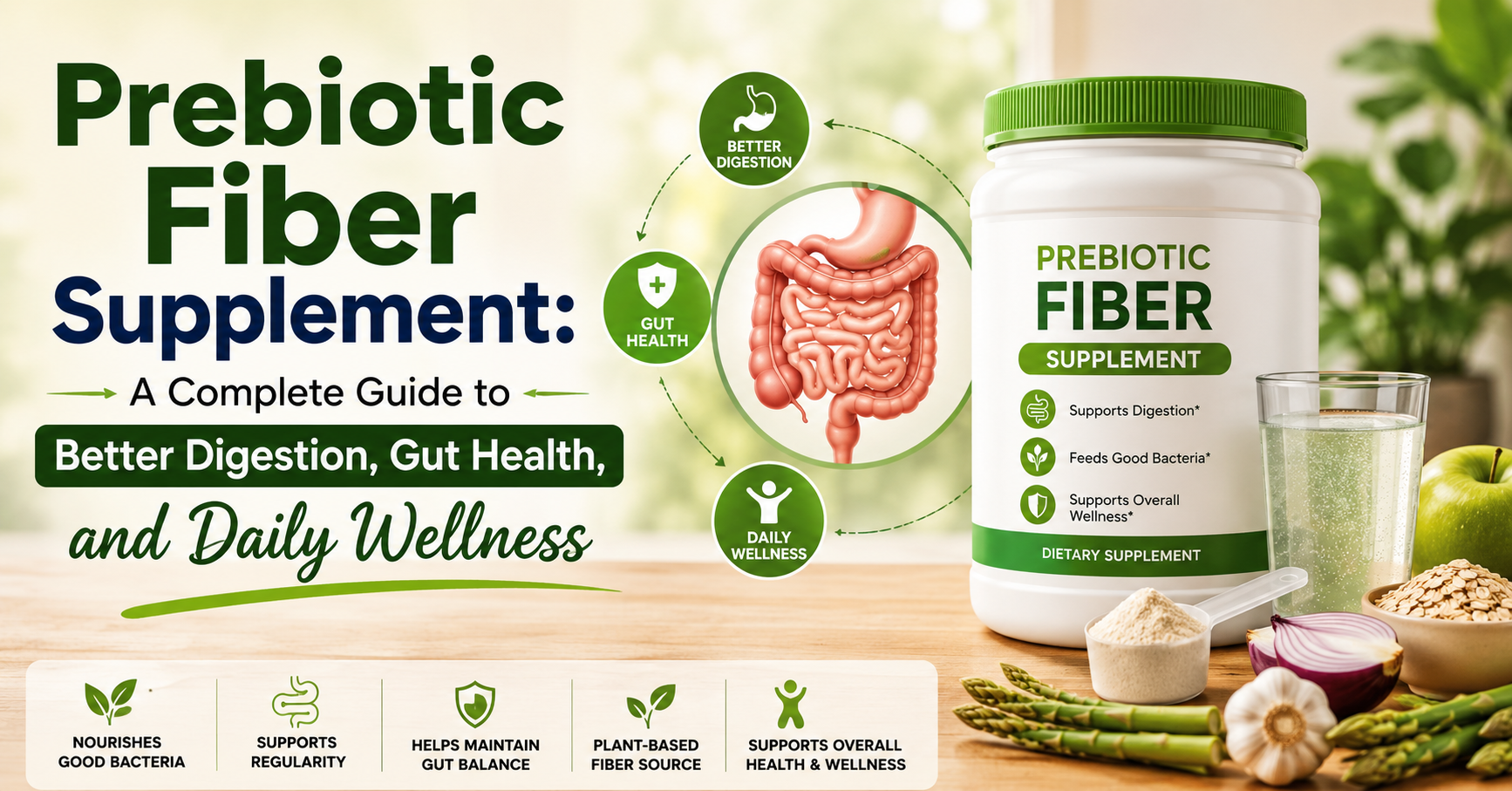
Many people focus on vitamins, protein, and exercise when trying to improve their health. Yet one important part of wellness often gets ignored: fiber. Most adults and children do not get enough fiber each day. This can affect digestion, energy levels, and even gut health.
A prebiotic fiber supplement can help fill that gap. These supplements feed the healthy bacteria living in your digestive system. When those good bacteria grow and thrive, your gut works better. You may notice improved digestion, more regular bowel movements, and better overall comfort.
Over the last few years, interest in gut health has grown quickly. More people now understand that the digestive system affects much more than digestion alone. It can influence immunity, metabolism, and everyday wellness.
This guide explains everything you need to know about choosing and using a prebiotic fiber supplement. You’ll learn how it works, who may benefit from it, what ingredients to look for, and how popular products such as Benefiber fit into a healthy lifestyle.
Understanding Prebiotic Fiber and Why It Matters
Fiber is a type of carbohydrate that the body cannot fully digest. While that may sound strange, it is actually very helpful. Fiber travels through the digestive tract and supports many important functions.
Prebiotic fiber is a special type of fiber. Instead of being broken down by your body, it becomes food for beneficial bacteria in your gut. These bacteria help maintain a healthy digestive environment. As they feed on prebiotic fiber, they produce compounds that support gut health and overall wellness.
Many foods naturally contain prebiotic fiber. Examples include onions, garlic, bananas, oats, asparagus, and chicory root. However, modern diets often lack enough of these foods. That is one reason why prebiotic fiber supplements have become increasingly popular.
Adding more prebiotic fiber may help support digestive balance and encourage healthy bacteria growth. For many people, this is an easy way to improve daily fiber intake without making major dietary changes.
How a Prebiotic Fiber Supplement Supports Gut Health
The gut contains trillions of microorganisms. Together, they form what scientists call the gut microbiome. A healthy microbiome plays an important role in digestion and overall health.
When you take a prebiotic fiber supplement, the fiber reaches the large intestine. There, beneficial bacteria use it as fuel. This process helps these bacteria grow and multiply.
As healthy bacteria flourish, they can crowd out less desirable microorganisms. This may help maintain digestive balance and support normal gut function. Many people also report feeling more comfortable after increasing their prebiotic fiber intake.
I noticed this myself after paying closer attention to fiber intake. Eating more fiber-rich foods and using a quality supplement helped create more consistent digestive habits. While everyone’s experience differs, many users report similar improvements.
The key is consistency. Benefits usually develop gradually over several weeks rather than overnight.
Signs You May Need More Fiber
Many people are surprised to learn they consume far less fiber than recommended. The average adult often falls short of daily fiber goals.
Several signs may suggest you need more fiber in your diet:
| Common Sign | Possible Connection to Low Fiber |
|---|---|
| Irregular bowel movements | Fiber helps support regularity |
| Feeling hungry often | Fiber may increase fullness |
| Digestive discomfort | Low fiber can affect digestion |
| Poor diet quality | Fiber-rich foods may be lacking |
| Low fruit and vegetable intake | Common source of dietary fiber |
These signs do not automatically mean you need supplements. However, they may indicate that increasing fiber intake could be beneficial.
A healthcare professional can help determine the best approach for your individual needs.
Benefits of Using Prebiotic Fiber Supplements
People choose prebiotic fiber supplements for many different reasons. While results vary, several potential benefits are commonly discussed.
Improved Digestive Regularity
Fiber adds bulk and supports normal bowel function. This is one of the most recognized reasons people increase fiber intake.
Support for Healthy Gut Bacteria
Prebiotic fibers help nourish beneficial microorganisms. A balanced microbiome is an important part of digestive health.
Increased Daily Fiber Intake
Many people struggle to reach recommended fiber levels through food alone. Supplements can help bridge that gap.
Greater Feeling of Fullness
Fiber-rich diets may help people feel satisfied longer after meals.
Overall Wellness Support
Research continues to explore connections between gut health and other aspects of wellness. Maintaining healthy digestion remains an important foundation for overall health.
Types of Prebiotic Fiber Found in Supplements
Not all fiber supplements contain the same ingredients. Different products use different sources of prebiotic fiber.
| Fiber Type | Common Source | Key Feature |
|---|---|---|
| Inulin | Chicory root | Popular prebiotic fiber |
| Fructooligosaccharides (FOS) | Plants | Supports beneficial bacteria |
| Galactooligosaccharides (GOS) | Dairy-derived | Common prebiotic ingredient |
| Wheat Dextrin | Processed wheat starch | Found in some fiber supplements |
| Resistant Starch | Grains and legumes | Ferments in the colon |
Each type has unique characteristics. Some people tolerate certain fibers better than others. Reading labels carefully can help you choose the best option for your needs.
Benefiber Prebiotic Fiber Supplement: What You Should Know
One well-known option is the benefiber prebiotic fiber supplement. It has been available for many years and is widely recognized among consumers seeking digestive support.
Benefiber uses wheat dextrin as its primary fiber source. The powder dissolves easily in many beverages and foods. Because it mixes smoothly, many users find it convenient for daily use.
One reason people choose the benefiber prebiotic fiber supplement is simplicity. It can often be added to water, coffee, juice, or soft foods without changing taste significantly.
Many users appreciate products that fit easily into existing routines. Convenience often plays a major role in long-term consistency.
When considering any supplement, it is helpful to review ingredients, serving sizes, and usage recommendations before making a decision.
Benefiber Powder Prebiotic Fiber Supplement Product Info and Reviews
When searching online, many consumers look for benefiber powder prebiotic fiber supplement product info and reviews before buying.
The product is commonly praised for:
- Easy mixing
- Mild taste
- Convenient daily use
- Support for increased fiber intake
- Availability in many stores
Like all supplements, individual experiences vary. Some users notice positive digestive changes after regular use. Others may require time to adjust as their bodies adapt to increased fiber intake.
Reading multiple sources of product information can provide a more balanced understanding. Reviews are useful, but they should be considered alongside ingredient lists and professional guidance.
Comparing Food Sources and Fiber Supplements
Many experts recommend getting fiber from whole foods whenever possible. Foods provide vitamins, minerals, antioxidants, and other nutrients that supplements cannot fully replace.
However, supplements can still play a valuable role.
| Whole Foods | Fiber Supplements |
|---|---|
| Provide many nutrients | Convenient and portable |
| Naturally high in fiber | Easy to measure |
| Support healthy eating habits | Useful when intake is low |
| May require meal planning | Simple daily routine |
The best approach is often a combination of both. A healthy diet plus a quality supplement can help many people meet their fiber goals.
How to Choose the Best Prebiotic Fiber Supplement
The market offers many options, making selection challenging. A few simple factors can help narrow your choices.
First, examine the ingredient list. Look for clearly identified fiber sources.
Second, consider taste and texture. A supplement that mixes easily is more likely to become part of your routine.
Third, check serving sizes. Some products require multiple servings per day.
Fourth, read reliable reviews and research product quality.
Finally, think about your personal digestive tolerance. Starting with a smaller amount may help reduce discomfort as your body adjusts.
The best supplement is often the one you can use consistently over time.
Benefiber Powder Prebiotic Fiber Supplement Reviews: What Users Commonly Say
Looking at benefiber powder prebiotic fiber supplement reviews can provide useful insight into real-world experiences. Many users report that the powder is easy to incorporate into daily routines because it dissolves quickly in drinks and soft foods. This convenience is often one of the most frequently mentioned advantages.
Some users appreciate that the product has little to no noticeable taste. This makes it easier to add to coffee, tea, smoothies, yogurt, or soup without changing flavor. Others mention improvements in digestive regularity after consistent use over several weeks.
However, reviews also show that results vary from person to person. Some individuals notice benefits quickly, while others require more time. A small number of users report mild bloating when first increasing fiber intake. This is common with many fiber products and often improves when the supplement is introduced gradually. Reading a wide range of reviews helps create realistic expectations before starting any new supplement.
Common Mistakes People Make with Fiber Supplements
A prebiotic fiber supplement can be helpful, but using it incorrectly may reduce its benefits. One of the biggest mistakes is increasing fiber intake too quickly. The digestive system needs time to adjust. Adding large amounts at once may cause temporary bloating or gas.
Another common mistake is not drinking enough water. Fiber works best when paired with proper hydration. Without enough fluids, digestion may become less comfortable. Many people focus on the supplement itself and forget the importance of water throughout the day.
Some users also rely completely on supplements while ignoring healthy food choices. Fiber supplements should support a balanced diet, not replace fruits, vegetables, whole grains, and legumes. Whole foods provide many nutrients beyond fiber alone.
Consistency is another factor. Taking a supplement occasionally may not provide the same benefits as regular use. A simple daily routine often produces the best long-term results.
The Connection Between Gut Health and Overall Wellness
Scientists continue to study how the gut affects different parts of the body. While research is ongoing, experts agree that digestive health plays an important role in overall wellness. A healthy digestive system helps the body process nutrients efficiently and supports normal bodily functions.
The gut microbiome contains billions of beneficial bacteria. These microorganisms interact with the digestive system every day. Supporting these bacteria with prebiotic fiber supplements may help maintain a balanced environment within the gut.
Many health-conscious individuals now pay closer attention to their digestive habits. They focus on hydration, nutritious foods, regular exercise, and fiber intake. Together, these habits create a strong foundation for overall health.
Think of your digestive system as a garden. Good bacteria are like healthy plants. A prebiotic fiber supplement acts as fertilizer that helps those plants grow. When the garden receives proper care, it tends to perform better over time.
Who Can Benefit from a Prebiotic Fiber Supplement?
Many different people may find value in increasing their fiber intake. Adults with busy schedules often struggle to consume enough fiber-rich foods throughout the day. For them, supplements can offer a practical solution.
Older adults may also benefit because digestive habits sometimes change with age. Athletes and active individuals may use fiber supplements as part of a balanced nutrition plan. People who frequently eat processed foods may find it difficult to reach recommended fiber targets through diet alone.
Individuals who want to support healthy digestion often explore prebiotic fiber supplements as part of a broader wellness strategy. However, not every supplement is suitable for every person. Those with digestive conditions or specific medical concerns should consult a healthcare professional before starting a new product.
The goal is not simply to take a supplement. The goal is to support healthier habits that contribute to long-term wellness.
How to Add a Prebiotic Fiber Supplement to Your Daily Routine
Creating a simple routine increases the likelihood of long-term success. Many people find it easiest to take their supplement at the same time each day. Consistency helps turn a new habit into a regular part of life.
Here are some simple ideas:
| Time of Day | Easy Ways to Use Fiber Supplement |
|---|---|
| Morning | Mix into coffee, tea, or water |
| Breakfast | Add to oatmeal or yogurt |
| Afternoon | Blend into a smoothie |
| Evening | Mix into soup or a beverage |
Start with the recommended serving size or even slightly less if advised by the product label. Gradually increasing intake may help improve comfort during the adjustment period.
Keeping a water bottle nearby can also help maintain proper hydration. Small daily habits often make the biggest difference over time.
Natural Foods That Work Well with Prebiotic Fiber Supplements
While supplements are useful, combining them with fiber-rich foods can create even better results. Whole foods provide nutrients that support overall health alongside fiber.
Some excellent sources of natural prebiotic fiber include:
- Bananas
- Garlic
- Onions
- Leeks
- Asparagus
- Oats
- Apples
- Chicory root
- Beans
- Lentils
These foods can easily fit into everyday meals. Adding sliced bananas to oatmeal or including beans in soups are simple examples. Many people discover that small dietary changes add up quickly.
Combining healthy foods with a prebiotic fiber supplement may help create a more balanced approach to digestive wellness. Instead of viewing supplements as a quick fix, think of them as one helpful piece of a larger health strategy.
What Science Says About Prebiotic Fiber
Research on prebiotic fiber continues to grow. Scientists have spent years studying how specific fibers interact with beneficial gut bacteria. Many studies suggest that prebiotic fibers can support the growth of healthy microorganisms in the digestive tract.
Researchers are particularly interested in how these fibers influence the gut microbiome. While every study is different, evidence generally supports the idea that prebiotic fibers serve as food for beneficial bacteria.
It is important to remember that no supplement guarantees specific results. Individual responses vary based on diet, lifestyle, genetics, and overall health. However, the growing body of research helps explain why interest in prebiotic fiber supplements has increased significantly.
Consumers today are more informed than ever. They want products backed by science and practical benefits. This demand has encouraged companies to improve product quality and transparency.
How to Read Supplement Labels Like a Smart Shopper
Supplement labels contain valuable information. Learning how to read them can help you make better purchasing decisions.
Start by identifying the type of fiber used. Different products contain different ingredients, and understanding the source helps you compare options effectively.
Next, review serving size information. Some products provide more fiber per serving than others. This can influence value and convenience.
Pay attention to additional ingredients as well. Some products contain flavorings, sweeteners, or other additives. Depending on your preferences, you may prefer a simpler formula.
| Label Section | What to Check |
|---|---|
| Fiber Source | Inulin, wheat dextrin, FOS, GOS |
| Serving Size | Amount per serving |
| Fiber Content | Grams of fiber provided |
| Additional Ingredients | Sweeteners or additives |
| Directions | Recommended usage |
Reading labels carefully helps you choose a product that matches your goals and preferences.
Frequently Asked Questions
1. What is a prebiotic fiber supplement?
A prebiotic fiber supplement contains special fibers that feed beneficial bacteria in the digestive system. These fibers help support a healthy gut environment and improve overall fiber intake.
2. How long does it take to see results?
Results vary by person. Some people notice digestive changes within days, while others may need several weeks of consistent use before experiencing benefits.
3. Is Benefiber a prebiotic fiber supplement?
Yes. The benefiber prebiotic fiber supplement contains wheat dextrin, which acts as a source of prebiotic fiber and helps support digestive health.
4. Can I take a prebiotic fiber supplement every day?
Many products are designed for daily use. Always follow label instructions and consult a healthcare professional if you have specific health concerns.
5. Are prebiotic fiber supplements safe?
Most healthy adults can use fiber supplements safely when following product directions. Starting slowly and drinking enough water can help improve comfort.
6. Can supplements replace fiber-rich foods?
No. Supplements should complement a healthy diet rather than replace whole foods. Fruits, vegetables, legumes, and whole grains remain important sources of nutrition.
Final Thoughts on Choosing the Right Prebiotic Fiber Supplement
A prebiotic fiber supplement can be a valuable addition to a healthy lifestyle. It helps support beneficial gut bacteria, increases daily fiber intake, and may contribute to better digestive wellness. For people who struggle to get enough fiber from food alone, supplements offer a practical and convenient solution.
Products such as the benefiber prebiotic fiber supplement continue to attract attention because they are easy to use and widely available. Reviewing benefiber powder prebiotic fiber supplement product info and reviews can help consumers make informed decisions. Likewise, reading benefiber powder prebiotic fiber supplement reviews provides useful perspectives from real users.
The most effective approach combines supplements with healthy eating habits, proper hydration, and regular physical activity. Small daily choices often produce the greatest long-term results. By understanding how prebiotic fiber supplements work and choosing products carefully, you can take a meaningful step toward supporting your digestive health and overall wellness.
