

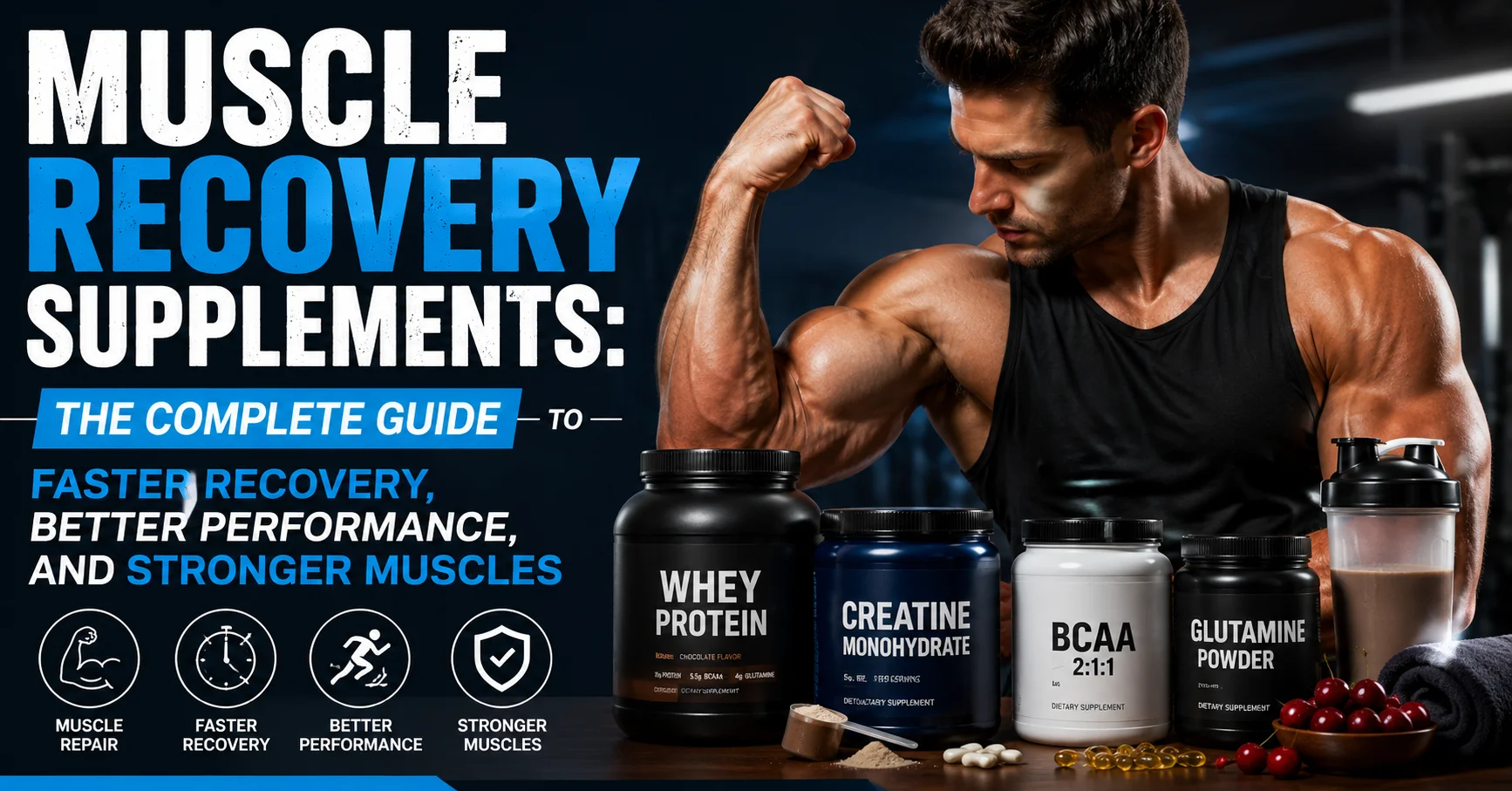
Muscle soreness after a hard workout is something almost everyone experiences. Whether you are a beginner starting your fitness journey or an experienced athlete pushing your limits, recovery plays a major role in your results. Many people focus heavily on training and nutrition but often overlook one important piece of the puzzle: muscle recovery supplements.
Recovery is when your body repairs damaged muscle fibers, restores energy stores, and prepares for the next workout. Without proper recovery, progress can slow down, fatigue can increase, and the risk of injury may rise. This is why many fitness enthusiasts turn to muscle recovery supplements to support their goals.
The good news is that the supplement market offers many options designed to help muscles recover faster and perform better. However, not all products are equal, and understanding what works can save both time and money.
This guide explores the science behind recovery, the most effective ingredients, and how to choose the right supplements for your needs. By the end, you’ll have a clear understanding of the best supplements for muscle recovery and how they can fit into a healthy fitness routine.
Why Muscle Recovery Matters More Than Most People Think
Many people believe muscle growth happens during workouts. In reality, the workout creates stress, while recovery allows adaptation and growth. Every strength-training session causes tiny tears in muscle fibers. During recovery, the body repairs these fibers, making them stronger than before.
When recovery is poor, muscles may remain sore longer, performance can decline, and motivation often suffers. Over time, inadequate recovery may even lead to overtraining.
Proper recovery includes several factors:
- Quality sleep
- Balanced nutrition
- Hydration
- Stress management
- Active recovery
- Supplements
Think of recovery as the foundation of progress. Even the best workout program can fail if the body does not receive enough time and support to rebuild.
How Muscle Recovery Supplements Work
Different supplements for muscle recovery work in different ways. Some provide nutrients needed for muscle repair. Others reduce exercise-related muscle damage or support energy production.
The main goals of recovery supplements include:
| Recovery Goal | How Supplements Help |
|---|---|
| Muscle repair | Supply amino acids and protein |
| Reduced soreness | Lower inflammation and muscle damage |
| Energy restoration | Replenish glycogen stores |
| Hydration support | Replace lost electrolytes |
| Performance maintenance | Help muscles recover between sessions |
The most effective approach usually combines several recovery strategies rather than relying on a single supplement.
Protein: The Foundation of Muscle Recovery
Protein remains one of the most important muscle recovery supplements available today. Every muscle repair process requires amino acids, which come from dietary protein.
After exercise, muscles become more responsive to protein intake. Consuming high-quality protein helps stimulate muscle protein synthesis, the process responsible for building and repairing muscle tissue.
Popular protein options include:
- Whey protein
- Casein protein
- Egg protein
- Plant-based protein blends
Among all protein supplements for muscle recovery, whey protein is often considered the gold standard because it digests quickly and contains all essential amino acids.
For most active individuals, consuming 20–40 grams of protein after training can help support recovery and muscle growth.
Essential Amino Acids and Their Recovery Benefits
Amino acids are the building blocks of protein. While all essential amino acids matter, leucine receives special attention because it plays a key role in muscle protein synthesis.
Essential amino acid supplements can be especially helpful for people who struggle to meet protein needs through food alone.
Benefits may include:
- Faster muscle repair
- Reduced muscle breakdown
- Improved recovery between workouts
- Support for lean muscle growth
Many athletes use amino acid supplements alongside protein shakes to maximize recovery and training adaptation.
Creatine: More Than a Strength Supplement
Most people know creatine as a performance supplement, but it also supports recovery. Research consistently shows that creatine may help reduce muscle damage and improve recovery after intense exercise.
Creatine works by increasing phosphocreatine stores within muscles, helping produce energy during high-intensity activities.
Potential recovery benefits include:
- Improved training recovery
- Reduced muscle damage markers
- Enhanced strength gains
- Better exercise performance
Because of its strong research support, creatine often appears on lists of the best supplements for muscle recovery.
A daily dose of 3–5 grams is commonly recommended for long-term benefits.
Omega-3 Fatty Acids and Muscle Repair
Omega-3 fatty acids are commonly associated with heart health, but they also play a valuable role in recovery.
Intense exercise can trigger inflammation. While some inflammation is normal and necessary, excessive inflammation may slow recovery.
Omega-3 supplements may help by:
- Supporting joint health
- Reducing exercise-related soreness
- Supporting muscle repair processes
- Improving overall recovery quality
Fish oil remains the most popular source of omega-3 fatty acids, although algae-based options are available for vegetarians and vegans.
Electrolytes and Hydration Support
Many athletes underestimate how much hydration affects recovery. Sweat causes losses of important minerals such as sodium, potassium, magnesium, and calcium.
When these minerals become depleted, recovery can suffer.
Electrolyte supplements may help:
| Electrolyte | Primary Function |
|---|---|
| Sodium | Fluid balance |
| Potassium | Muscle function |
| Magnesium | Muscle relaxation |
| Calcium | Muscle contraction |
Proper hydration supports nutrient delivery, muscle function, and recovery after demanding workouts.
Magnesium: The Hidden Recovery Mineral
Magnesium is involved in hundreds of processes throughout the body. Unfortunately, many people do not consume enough of it.
Athletes often use magnesium supplements because they may support:
- Muscle relaxation
- Better sleep quality
- Reduced cramping
- Improved recovery
Sleep is one of the most powerful recovery tools available. Since magnesium may help improve sleep quality, it indirectly supports muscle repair and overall athletic performance.
Many recovery experts consider magnesium one of the most underrated muscle recovery supplements.
Tart Cherry Extract and Recovery
Tart cherry extract has gained popularity among athletes in recent years. It contains natural compounds called anthocyanins that may help support recovery after intense exercise.
Research suggests tart cherry supplements may:
- Reduce muscle soreness
- Support recovery between workouts
- Help athletes maintain training quality
- Reduce exercise-induced muscle damage
Endurance athletes and strength athletes alike often use tart cherry products during periods of heavy training.
Branched-Chain Amino Acids (BCAAs): Are They Worth It?
BCAAs include three amino acids:
- Leucine
- Isoleucine
- Valine
These amino acids have long been marketed as effective muscle recovery supplements. However, recent research suggests that complete protein sources and essential amino acid supplements may offer greater benefits.
BCAAs may still be useful for certain individuals, particularly those training in a fasted state or consuming inadequate protein.
For most people, meeting daily protein requirements should remain the primary focus.
Collagen Supplements for Active Individuals
Collagen supplements have become increasingly popular among fitness enthusiasts.
Unlike traditional muscle-building proteins, collagen primarily supports connective tissues such as:
- Tendons
- Ligaments
- Joints
- Cartilage
Healthy connective tissues contribute to better recovery and reduced injury risk.
Athletes involved in high-impact sports often use collagen supplements alongside vitamin C to support tissue repair and joint health.
Choosing the Best Muscle Recovery Supplements
Not every supplement deserves a place in your routine. The best products are backed by research and fit your individual goals.
Consider these factors:
| Factor | Why It Matters |
|---|---|
| Scientific evidence | Supports effectiveness |
| Ingredient quality | Ensures product reliability |
| Third-party testing | Verifies purity |
| Personal goals | Targets specific needs |
| Budget | Maintains long-term consistency |
For most people, the core recovery stack includes:
- Protein powder
- Creatine
- Electrolytes
- Omega-3 fatty acids
- Magnesium
These supplements provide a strong foundation without unnecessary complexity.
Recovery Habits That Make Supplements Work Better
Even the best supplements for muscle recovery cannot replace healthy habits.
To maximize results:
- Sleep 7–9 hours nightly
- Stay hydrated
- Eat balanced meals
- Manage stress levels
- Include rest days
- Use proper workout programming
Supplements should support these habits rather than replace them.
One lesson many experienced athletes learn is that consistent recovery practices often outperform expensive supplement stacks.
Common Mistakes People Make With Recovery Supplements
Many people expect supplements to deliver instant results. Recovery is a process, not a quick fix.
Common mistakes include:
- Ignoring sleep quality
- Taking supplements inconsistently
- Using too many products at once
- Expecting overnight results
- Neglecting overall nutrition
In my experience, individuals often see the best results when they focus on basics first. A simple routine built around quality protein, hydration, and sleep usually produces greater benefits than chasing every new supplement trend.
A Simple Recovery Supplement Plan for Beginners
If you’re new to supplements, keep things simple.
Beginner Recovery Stack
| Time | Supplement |
|---|---|
| Post-workout | Whey protein |
| Daily | Creatine monohydrate |
| Daily | Fish oil |
| Evening | Magnesium |
| During intense training | Electrolytes |
This approach covers the major recovery needs without overwhelming your budget or routine.
As training demands increase, additional supplements can be added if needed.
Frequently Asked Questions
What are the best supplements for muscle recovery?
The most effective options include whey protein, creatine, omega-3 fatty acids, magnesium, and electrolytes. These ingredients have strong scientific support and help address key aspects of recovery.
Are protein supplements for muscle recovery necessary?
Not always. If you can meet your protein needs through food, supplements may not be required. However, protein powders offer convenience and can make recovery nutrition easier.
How soon should I take a muscle recovery supplement after exercise?
Most recovery supplements can be taken within a few hours after training. Protein is commonly consumed shortly after exercise to support muscle repair.
Do muscle recovery supplements reduce soreness?
Some supplements, such as tart cherry extract, omega-3 fatty acids, and protein, may help reduce muscle soreness and support faster recovery.
Can beginners use supplements for muscle recovery?
Yes. Beginners can benefit from simple recovery supplements like protein powder, creatine, and electrolytes when used alongside proper nutrition and exercise.
Final Thoughts
Building muscle and improving performance requires more than hard workouts. Recovery is the stage where progress actually happens. That’s why choosing effective muscle recovery supplements can make a meaningful difference in your fitness journey.
The most successful approach focuses on fundamentals first. Prioritize sleep, nutrition, hydration, and smart training. Then use supplements strategically to support those habits.
For most people, a combination of protein, creatine, omega-3 fatty acids, magnesium, and proper hydration provides everything needed to improve recovery and maintain consistent performance. These proven options remain among the best supplements for muscle recovery because they address the key processes involved in muscle repair and adaptation.
Remember that consistency beats perfection. Small recovery habits practiced daily often lead to the biggest long-term results. Choose quality products, stay patient, and give your body the support it needs to recover stronger after every workout.
