

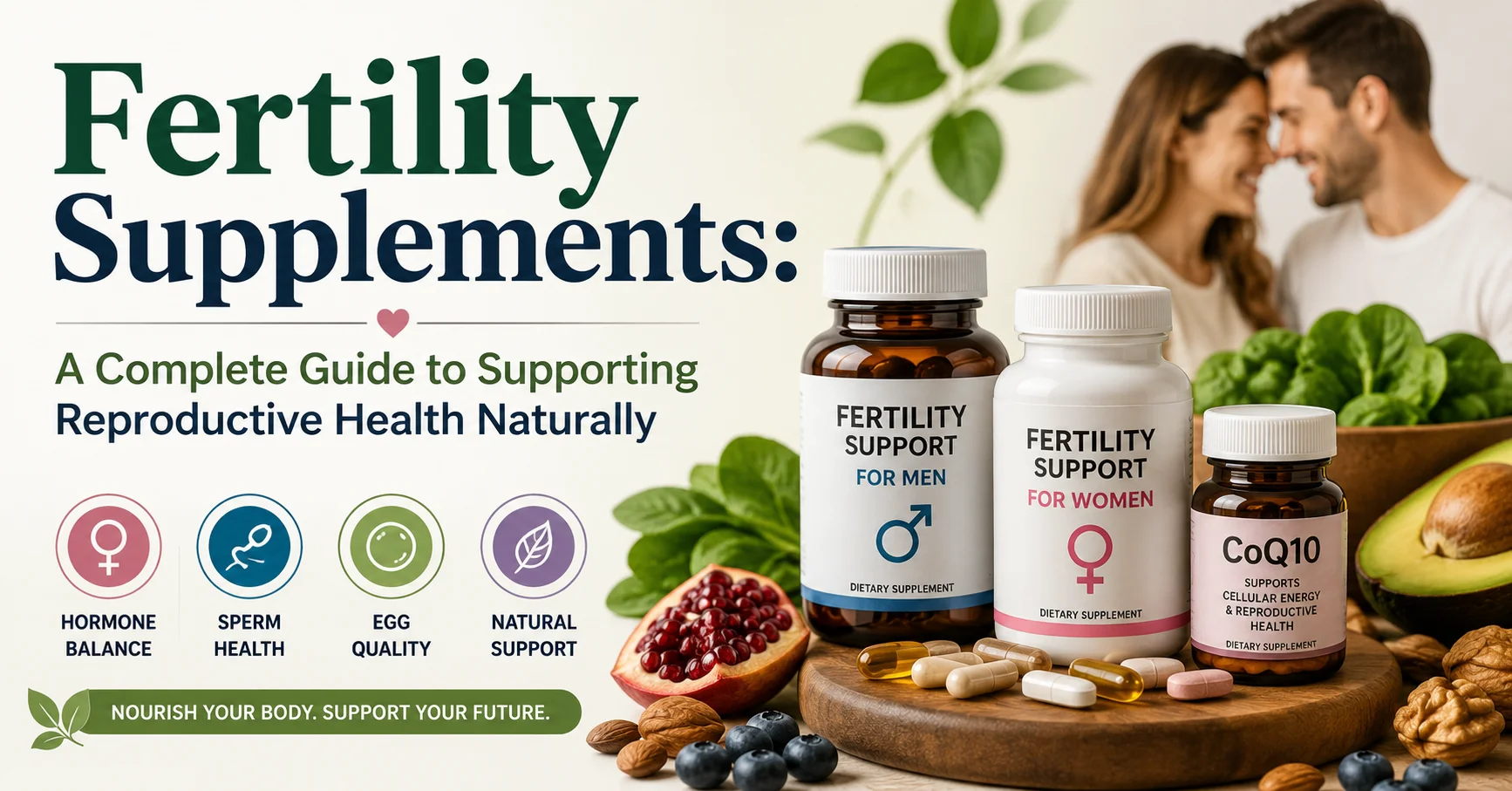
Trying to grow your family can be an exciting journey. It can also bring stress, questions, and uncertainty. Many people wonder if fertility supplements can improve their chances of conception. The truth is that supplements may support reproductive health, but they are not magic solutions. They work best when combined with healthy habits and guidance from a healthcare professional.
Both men and women can benefit from certain nutrients that support hormone balance, egg quality, sperm health, and overall wellness. Understanding which supplements may help and how they work can make it easier to make informed choices. This guide explores the science behind fertility support in simple terms. Whether you are researching options for yourself or a loved one, this article will help you understand the role that fertility supplements can play in your fertility journey.
Understanding Fertility and Nutrition
Fertility depends on many factors. Age, lifestyle, medical conditions, stress levels, and genetics can all influence reproductive health. Nutrition is another important piece of the puzzle. The body needs vitamins, minerals, and antioxidants to support healthy reproductive function.
When the body lacks key nutrients, hormone production and reproductive processes may not work as efficiently. This is why many healthcare providers recommend improving diet quality before and during attempts to conceive. Fertility supplements are designed to fill nutritional gaps and provide targeted support for reproductive health.
It is important to remember that supplements cannot treat all causes of infertility. Structural issues, certain medical conditions, and severe reproductive disorders often require medical evaluation and treatment. Supplements are best viewed as part of a broader approach to wellness and fertility care.
Why People Use Fertility Supplements
Many couples turn to fertility supplements because they want to optimize their health before trying to conceive. These products often contain nutrients linked to reproductive function. Some ingredients may support hormone balance, while others help protect reproductive cells from oxidative stress.
People may also choose supplements because they prefer a proactive approach. Improving nutrition can help create a healthier environment for conception and pregnancy. In some cases, healthcare providers suggest specific supplements based on laboratory findings or known nutrient deficiencies.
The growing interest in reproductive wellness has increased awareness about the potential role of supplementation. However, choosing the right products requires careful consideration. Quality, ingredient combinations, and individual needs all matter.
Fertility Supplements for Women
Many fertility supplements for women focus on supporting ovulation, egg quality, and overall reproductive health. Women preparing for pregnancy often begin taking prenatal vitamins even before conception occurs.
Folic acid is one of the most important nutrients. It supports early fetal development and reduces the risk of certain birth defects. Vitamin D may also play a role in reproductive health, especially in women with deficiencies. Iron, iodine, and omega-3 fatty acids are commonly included in fertility formulas as well.
Some women use supplements containing myo-inositol, especially when managing conditions such as polycystic ovary syndrome. Myo-inositol may support insulin sensitivity and healthy ovulation patterns. While results vary, many healthcare professionals consider it a promising option for selected individuals.
Table 1: Common Fertility Supplements for Women
| Supplement | Potential Benefit | Common Use |
|---|---|---|
| Folic Acid | Supports fetal development | Preconception and pregnancy |
| Vitamin D | May support reproductive health | Women with low vitamin D levels |
| Iron | Supports healthy blood production | Women with iron deficiency |
| Omega-3 Fatty Acids | Supports overall wellness | General reproductive support |
| Myo-Inositol | May support ovulation | Often used in PCOS management |
Male Fertility Supplements and Reproductive Health
The conversation about fertility should include men as well. Research suggests that male factors contribute to many fertility challenges. This is why male fertility supplements have gained attention.
Sperm production requires adequate nutrition. Antioxidants may help protect sperm cells from damage caused by oxidative stress. Nutrients such as zinc, selenium, vitamin C, and vitamin E are frequently included in fertility supplements for men.
Lifestyle habits also matter. Smoking, excessive alcohol intake, poor diet, and chronic stress can negatively affect sperm health. Combining healthy choices with appropriate supplementation may support better reproductive outcomes.
Men considering supplementation should discuss concerns with their healthcare providers. Testing can help identify specific issues that may require targeted interventions.
Fertility Supplements for Men: Key Ingredients
Many fertility supplements for men contain similar ingredients, but understanding their purpose is helpful.
Zinc supports normal testosterone production and reproductive function. Selenium acts as an antioxidant and may contribute to sperm health. Vitamin C helps protect cells from oxidative stress, while vitamin E works alongside other antioxidants to support cellular integrity.
L-carnitine is another ingredient commonly found in male fertility products. Some studies suggest it may support sperm motility. Coenzyme Q10 has also attracted interest due to its antioxidant properties and potential role in energy production within cells.
Table 2: Common Ingredients in Male Fertility Supplements
| Ingredient | Potential Role |
|---|---|
| Zinc | Supports reproductive function |
| Selenium | Provides antioxidant support |
| Vitamin C | Helps reduce oxidative stress |
| Vitamin E | Supports cell protection |
| L-Carnitine | May support sperm motility |
| Coenzyme Q10 | Supports cellular energy production |
The Growing Interest in CoQ10 Supplement Fertility Support
One topic receiving increased attention is coq10 supplement fertility support. Coenzyme Q10 is a naturally occurring compound involved in energy production. It also functions as an antioxidant.
As people age, natural levels of CoQ10 may decline. Because egg cells and sperm cells require energy to function properly, researchers have explored whether supplementation could provide benefits. Some studies suggest potential improvements in certain fertility markers, although more research is needed.
Individuals interested in coq10 supplement fertility strategies should consult healthcare professionals before starting supplementation. Proper dosing and individualized recommendations are important considerations.
Can Fertility Supplements Improve Pregnancy Chances?
This is one of the most common questions people ask. The answer is not simple. Fertility supplements may support reproductive health by addressing nutritional deficiencies and promoting overall wellness. However, they cannot guarantee pregnancy.
Success depends on many factors. Age remains one of the strongest predictors of fertility outcomes. Underlying medical conditions can also influence results. Supplements are most effective when used as part of a comprehensive approach.
For some individuals, improving nutritional status may support healthier reproductive function. Others may require medical treatments such as ovulation induction, surgery, or assisted reproductive technologies. Personalized care remains essential.
Lifestyle Habits That Work Alongside Supplements
Supplements should never replace healthy habits. The best outcomes often occur when people focus on overall wellness.
Eating a balanced diet rich in fruits, vegetables, whole grains, lean proteins, and healthy fats provides essential nutrients. Regular physical activity supports metabolic health and stress management. Adequate sleep also plays a role in hormone regulation.
Avoiding smoking and limiting alcohol consumption may improve reproductive health. Managing chronic stress through mindfulness practices, counseling, or relaxation techniques can also be beneficial.
Table 3: Healthy Habits That Support Fertility
| Habit | Potential Benefit |
|---|---|
| Balanced Nutrition | Supports reproductive health |
| Regular Exercise | Promotes overall wellness |
| Adequate Sleep | Helps regulate hormones |
| Stress Management | Supports emotional well-being |
| Avoiding Smoking | Protects reproductive function |
Choosing the Right Fertility Supplements
The supplement market can feel overwhelming. Products vary in quality, ingredient combinations, and dosage levels. Reading labels carefully is important.
Look for reputable manufacturers that follow quality standards. Avoid products making unrealistic promises or claiming guaranteed results. True reproductive support focuses on evidence-based nutrition rather than miracle cures.
Healthcare providers can help determine whether supplementation is appropriate. Blood tests and medical evaluations may identify deficiencies that guide decision-making.
When to Seek Medical Advice
While fertility supplements can play a supportive role, certain situations require professional evaluation. Women under age 35 who have tried to conceive for one year without success should consider speaking with a healthcare provider. Women over age 35 may benefit from evaluation after six months of trying.
Men experiencing concerns about reproductive health should also seek medical advice. Early assessment can identify potential issues and provide opportunities for timely intervention.
Medical professionals can recommend appropriate testing and discuss treatment options tailored to individual circumstances.
Table 4: When to Consult a Healthcare Professional
| Situation | Recommended Action |
|---|---|
| Trying to conceive for 12 months under age 35 | Seek evaluation |
| Trying to conceive for 6 months over age 35 | Consult a specialist |
| Irregular menstrual cycles | Discuss with a provider |
| Known reproductive conditions | Obtain medical guidance |
| Concerns about sperm health | Consider fertility assessment |
Frequently Asked Questions
What are fertility supplements?
Fertility supplements are products containing vitamins, minerals, antioxidants, and other nutrients that may support reproductive health in men and women.
Are fertility supplements safe?
Many supplements are generally safe when used appropriately. However, people should consult healthcare professionals before beginning new products, especially if they take medications or have medical conditions.
Do fertility supplements guarantee pregnancy?
No. Fertility supplements may support reproductive health, but they cannot guarantee conception or replace medical care when needed.
What are the most common fertility supplements for women?
Common options include folic acid, vitamin D, iron, omega-3 fatty acids, and myo-inositol, depending on individual needs.
Which male fertility supplements are most popular?
Many male fertility supplements contain zinc, selenium, vitamins C and E, L-carnitine, and CoQ10 to support reproductive wellness.
Final Thoughts
The journey toward parenthood is deeply personal. For some people, it happens quickly. For others, it requires patience, support, and careful planning. Fertility supplements may offer valuable nutritional support as part of a broader approach to reproductive health.
Focusing on balanced nutrition, healthy habits, and open communication with healthcare providers creates a strong foundation. While no supplement can promise pregnancy, informed choices can empower individuals and couples throughout their fertility journeys.
If you are considering fertility supplements for women, exploring fertility supplements for men, or researching coq10 supplement fertility options, take time to gather reliable information. Your health deserves thoughtful attention and evidence-based care. Small steps taken today may help support your goals for the future.
