
Losing weight can feel confusing. New diets appear every year. Some promise fast results but leave people tired and frustrated. A better path is often a simpler one. A vegetable based diet weight loss plan focuses on whole foods, fresh produce, and balanced eating habits that support both health and long-term success.
Many people think eating healthy means giving up flavor or feeling hungry all the time. That is not true. A vegetable-focused lifestyle can be colorful, filling, and enjoyable. It also helps your body get important nutrients while naturally lowering extra calories.
I started adding more vegetables to my meals a few years ago after struggling with low energy and constant cravings. The change was not perfect overnight. But slowly, I noticed better digestion, more energy, and steady weight loss without strict dieting. That personal experience showed me how powerful small food changes can be.
This guide explains everything you need to know about vegetable based diet weight loss, including benefits, meal ideas, common mistakes, and practical tips for beginners.
What Is a Vegetable Based Diet?
A vegetable based diet focuses mainly on vegetables, fruits, legumes, whole grains, nuts, and seeds. It does not always mean becoming fully vegetarian or vegan. Some people still eat small amounts of meat, eggs, or dairy while making vegetables the center of every meal.
The goal is simple. Fill most of your plate with nutrient-rich plant foods. Vegetables are naturally low in calories and high in fiber. This combination helps people feel full while eating fewer calories overall.
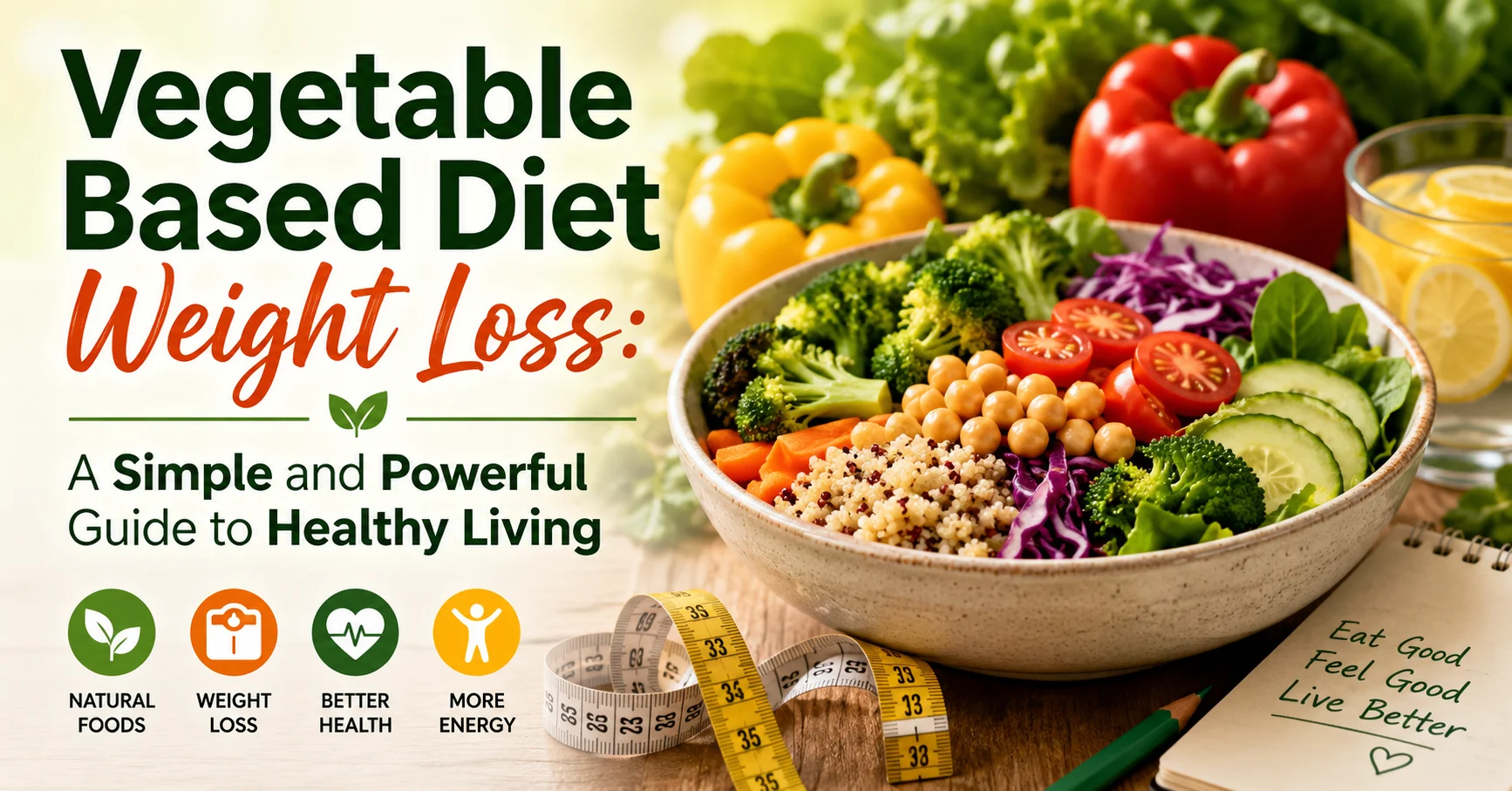
Leafy greens, carrots, cucumbers, tomatoes, broccoli, peppers, cauliflower, spinach, and zucchini are common choices. Beans, lentils, sweet potatoes, oats, and brown rice also support a healthy eating pattern.
A vegetable-focused lifestyle is flexible. You do not need expensive foods or complicated recipes. Even simple meals like vegetable soup, roasted vegetables, and salads can support weight loss goals.
This eating style also supports long-term health. Studies often connect plant-rich diets with lower risks of heart disease, obesity, and type 2 diabetes. That is one reason many doctors and nutrition experts encourage eating more vegetables daily.
Why Vegetable Based Diet Weight Loss Works So Well
The reason vegetable based diet weight loss works is actually very simple. Vegetables contain fewer calories compared to many processed foods. At the same time, they contain fiber and water that help fill your stomach.
For example, a large bowl of salad with colorful vegetables may contain fewer calories than a small fast-food meal. Yet the salad often keeps you full longer because of the fiber content.
Fiber also slows digestion. This helps control hunger and prevents sudden energy crashes. Many processed snacks digest quickly, which can lead to more cravings later in the day.
Another important benefit is nutrient density. Vegetables contain vitamins, minerals, and antioxidants that support the body during weight loss. Instead of feeling weak or deprived, people often feel healthier and more energetic.
Eating more vegetables can also reduce emotional eating. Fresh foods support stable blood sugar levels, which may help lower mood swings and cravings for sugary foods.
Over time, these small effects create lasting results. Healthy weight loss is usually about consistency, not extreme dieting.
Best Vegetables for Healthy Weight Loss
Not all vegetables are exactly the same, but most are excellent for weight management. Some vegetables are especially helpful because they are high in fiber and low in calories.
Leafy greens like spinach, kale, and lettuce are great choices. They add volume to meals without adding many calories. Broccoli and cauliflower are also excellent because they are filling and versatile.
Cucumbers and zucchini contain a lot of water. These vegetables help hydration while supporting fullness. Bell peppers add crunch and flavor without unhealthy fats or sugars.
Carrots make a smart snack because they are naturally sweet and satisfying. Sweet potatoes contain more carbohydrates than leafy greens, but they also provide fiber and important nutrients that support energy.
Beans and lentils are technically legumes, but they play a huge role in plant-based eating. They contain protein and fiber together, making them very filling.
One helpful trick is to eat vegetables in different colors. Green, red, orange, purple, and yellow vegetables each contain different nutrients that help the body stay healthy during weight loss.
The Role of Fiber in Weight Loss
Fiber is one of the biggest reasons a vegetable based diet weight loss approach works so well. Many people do not get enough fiber in their daily meals. Processed foods are often low in fiber and high in calories.
Fiber slows digestion and helps people stay full for longer periods. When you feel full, you are less likely to overeat or snack constantly throughout the day.
There are two main types of fiber. Soluble fiber helps digestion and supports healthy cholesterol levels. Insoluble fiber adds bulk to stool and supports regular bowel movements. Vegetables often contain both types.
Foods like broccoli, carrots, peas, spinach, beans, and Brussels sprouts are rich in fiber. Whole grains and fruits also help increase daily fiber intake.
One important lesson I learned personally was to increase fiber slowly. Suddenly eating huge amounts of vegetables can cause bloating for some people. Drinking enough water also helps the digestive system adjust.
Over time, a high-fiber eating pattern becomes easier and more natural. Many people notice reduced cravings and better digestion within just a few weeks.
How Vegetables Help Reduce Cravings
Cravings are one of the hardest parts of losing weight. Sugary snacks and processed foods can create strong hunger patterns that feel difficult to control.
A vegetable-rich diet may help reduce these cravings naturally. Fiber helps stabilize blood sugar levels, which can reduce sudden hunger spikes. Stable energy levels often lead to fewer cravings for junk food.
Many vegetables also contain magnesium, potassium, and other nutrients that support healthy body function. Sometimes cravings happen because the body needs better nutrition, not just more calories.
Crunchy vegetables like carrots, celery, and cucumbers can also replace unhealthy snack habits. They provide texture and satisfaction without heavy calories.
Healthy fats can help too. Adding avocado, olive oil, nuts, or seeds to vegetables improves flavor and fullness. Meals become more satisfying and easier to maintain.
One simple strategy is keeping cut vegetables ready in the fridge. When healthy foods are easy to grab, people are more likely to make smart choices during busy days.
Over time, taste buds can also change. Many people begin enjoying natural flavors more once they reduce processed foods and excess sugar.
Easy Meal Ideas for Vegetable Based Diet Weight Loss
Healthy eating does not need to feel complicated. Simple meals often work best because they are easier to maintain consistently.
Breakfast could include oatmeal with berries and nuts or a vegetable omelet with spinach and tomatoes. Smoothies with greens, banana, and plant milk are also popular.
For lunch, salads with beans, chickpeas, avocado, and colorful vegetables create balanced meals. Soup made with lentils and vegetables is another filling option.
Dinner can include roasted vegetables with quinoa or brown rice. Stir-fries with broccoli, mushrooms, peppers, and tofu are easy and flavorful.
Snacks matter too. Carrot sticks, cucumbers, roasted chickpeas, or apple slices with peanut butter are healthier choices than chips or candy.
Meal prep can make the process easier. Washing vegetables and preparing ingredients ahead of time saves energy during busy weekdays.
The best meals are often the simplest. Healthy eating becomes more sustainable when meals fit naturally into daily life.
Common Mistakes People Make
Some people start a vegetable based diet weight loss journey with unrealistic expectations. They may expect fast results within a few days. Healthy weight loss usually takes time and patience.
Another mistake is not eating enough protein. Vegetables are important, but balanced meals also need protein sources like beans, lentils, tofu, eggs, or yogurt if included.
Some people rely too heavily on processed “diet foods.” Packaged snacks labeled healthy can still contain high sugar or unhealthy ingredients.
Skipping meals is another common problem. This often leads to overeating later in the day. Balanced meals work better than starvation.
Portion sizes also matter. Nuts, oils, and dressings are healthy but calorie-dense. Moderation helps support steady progress.
One mistake I made early on was eating plain salads without enough flavor or protein. I became hungry quickly and started craving unhealthy foods later. Adding healthy fats and protein made a huge difference.
Weight loss works best when meals feel enjoyable and satisfying instead of restrictive.
How to Start Slowly Without Feeling Overwhelmed
Changing eating habits overnight can feel stressful. A gradual approach often works better for long-term success.
Start by adding one extra serving of vegetables daily. This could mean adding spinach to breakfast or eating a side salad with dinner.
Another simple step is replacing processed snacks with fresh vegetables or fruit. Small changes build confidence over time.
Try making vegetables half of your plate during meals. This naturally reduces high-calorie foods without strict rules.
Experiment with cooking methods too. Roasting vegetables with herbs and olive oil makes them more flavorful and enjoyable.
Do not aim for perfection. Everyone has occasional treats or unhealthy meals sometimes. Consistency matters more than perfection.
Tracking progress can help motivation. Some people notice improved sleep, digestion, or energy before major weight changes appear.
The best diet is one you can continue long term. Slow and steady habits usually create stronger results than extreme plans.
Importance of Hydration During Weight Loss
Water plays a major role in healthy weight management. Many people confuse thirst with hunger and end up eating when they actually need hydration.
Vegetables already contain a lot of water, especially cucumbers, lettuce, zucchini, and celery. This supports hydration naturally.
Drinking enough water may also help digestion and reduce bloating. Fiber works better when the body stays hydrated.
Sugary drinks can slow progress because they add many calories without helping fullness. Replacing soda with water or herbal tea often supports weight loss goals.
Some people find it easier to drink more water by adding lemon, cucumber, or mint for flavor. Simple habits can make healthy choices easier.
I personally noticed fewer snack cravings when I focused on hydration. Sometimes the body simply needs water and rest rather than extra food.
Good hydration also supports exercise performance and overall energy levels during weight loss efforts.
Exercise and Vegetable Based Eating
Exercise is not required for weight loss, but it can improve results and overall health. Combining movement with a vegetable based diet weight loss plan often works very well.
Walking is one of the simplest and most effective activities. It supports heart health, burns calories, and reduces stress.
Strength training is also important because it helps maintain muscle while losing fat. Muscle supports metabolism and long-term health.
Vegetable-rich meals can provide energy for workouts. Foods like sweet potatoes, oats, bananas, and beans support physical activity naturally.
The key is balance. Exercise should feel sustainable rather than exhausting. Even short daily movement can make a difference over time.
Stress management matters too. High stress levels may increase emotional eating and cravings. Exercise often helps improve mood and mental health.
The goal is creating a healthy lifestyle, not punishing the body.
Benefits Beyond Weight Loss
A vegetable-focused lifestyle offers many benefits beyond the number on the scale. Better digestion is one of the first improvements many people notice.
More vegetables often mean more vitamins, minerals, and antioxidants. These nutrients support skin health, immunity, and energy.
Some people also notice improved sleep and mental clarity. Stable blood sugar levels may reduce mood swings and afternoon crashes.
Heart health can improve too. Plant-rich diets often support healthy cholesterol and blood pressure levels.
Eating more vegetables may also lower inflammation in the body. Chronic inflammation is linked to many health problems.
Another benefit is learning healthier habits for the whole family. Children often copy eating behaviors they see regularly at home.
The biggest long-term advantage may be sustainability. Extreme diets often fail because they are difficult to maintain. A vegetable-focused lifestyle feels more natural and flexible.
Budget-Friendly Tips for Eating More Vegetables
Healthy eating does not need to be expensive. Frozen vegetables are affordable and often just as nutritious as fresh ones.
Buying seasonal produce can also reduce costs. Local vegetables are usually cheaper when they are in season.
Beans, lentils, oats, rice, and potatoes are inexpensive staples that work well in healthy meals. Simple foods can still be nutritious.
Meal planning helps reduce waste and saves money. Preparing meals at home is usually healthier and cheaper than eating fast food regularly.
Farmers markets sometimes offer discounts near closing time. Growing herbs or small vegetables at home can also save money.
One smart habit is cooking large batches of soup or roasted vegetables for several days. This reduces stress and supports healthy choices during busy times.
Healthy eating becomes easier when it feels realistic and affordable.
FAQs About Vegetable Based Diet Weight Loss
Can I lose weight by only eating vegetables?
You may lose weight temporarily, but balanced nutrition matters. Adding protein, healthy fats, and whole grains supports better health and energy.
How fast can I lose weight on a vegetable based diet?
Results vary for everyone. Healthy weight loss is usually about 1–2 pounds per week with consistent habits.
Do I need to become vegan for vegetable based diet weight loss?
No. Many people simply increase vegetables while still eating small amounts of animal products.
What vegetables are best for beginners?
Carrots, cucumbers, spinach, broccoli, bell peppers, and zucchini are easy, affordable, and versatile options.
Can vegetables help reduce belly fat?
Vegetables support overall fat loss because they are low in calories and high in fiber. Spot reduction is not possible, but healthy eating helps reduce body fat over time.
What if I do not like vegetables?
Try different cooking methods. Roasting, grilling, and seasoning vegetables can improve flavor and texture significantly.
Conclusion
A vegetable based diet weight loss lifestyle is not about perfection or strict rules. It is about creating healthier habits that support long-term wellness. Vegetables provide fiber, nutrients, hydration, and fullness that help people lose weight naturally and sustainably.
The best part is flexibility. You do not need expensive meal plans or complicated recipes. Small changes like adding more vegetables to meals, reducing processed foods, and staying consistent can create real progress over time.
Healthy weight loss should improve your life, not control it. Focus on balance, patience, and realistic habits that you can maintain long term.
Start small today. Add one extra vegetable to your next meal and build from there. Tiny steps often lead to the biggest changes over time.
