
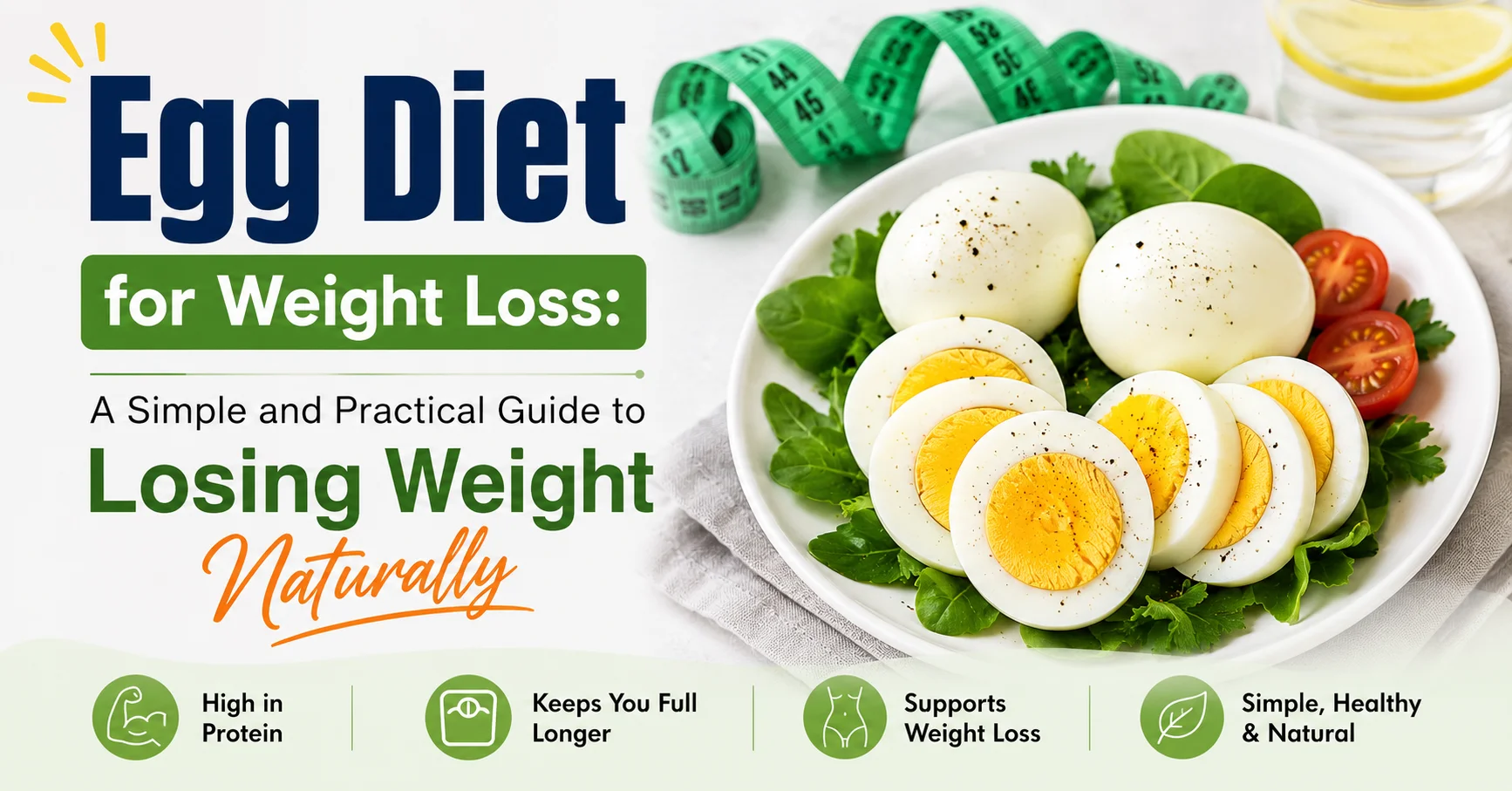
Losing weight can feel confusing. Every week, a new diet trend appears online. Some plans cut out carbs completely. Others ask you to drink strange shakes or avoid normal meals. But many people still look for simple foods that are healthy, affordable, and filling. That is why the egg diet for weight loss has become so popular.
Eggs are easy to cook, packed with nutrients, and rich in protein. They can help you stay full longer and reduce unhealthy snacking. Many people use eggs as part of a balanced eating plan to support healthy weight loss. The good news is that eggs can fit into breakfast, lunch, dinner, and snacks without making meals boring.
Still, it is important to follow this diet the right way. Eating only eggs is not healthy for long periods. A smart plan includes vegetables, fruits, healthy fats, water, and regular movement. In this guide, you will learn how the egg diet works, its benefits, risks, meal ideas, and practical tips that actually help in real life.
What Is the Egg Diet for Weight Loss?
The egg diet for weight loss is a meal plan that focuses on eggs as a main protein source. Most versions of the diet include eggs, lean protein, vegetables, and low-carb foods. The goal is to reduce calories while keeping you full and energized.
Eggs are naturally high in protein and low in calories. One large egg contains about 70–80 calories and several important nutrients. Because protein takes longer to digest, eggs may help reduce hunger during the day.
Some people follow a short-term egg diet for one or two weeks. Others simply add eggs to a healthy eating routine. A balanced approach usually works better and is easier to maintain over time.
Here is a quick overview of the diet:
| Feature | Details |
|---|---|
| Main Food | Eggs |
| Goal | Weight loss |
| Protein Level | High |
| Carb Intake | Usually low |
| Duration | Short-term or lifestyle-based |
| Best For | Healthy adults wanting simple meals |
The healthiest version of this diet includes whole foods instead of extreme restrictions.
Why Eggs Are Good for Weight Loss
Eggs support weight loss in several helpful ways. First, they are rich in protein. Protein helps control hunger and supports muscle health. When you eat enough protein, you may naturally eat fewer calories later in the day.
Second, eggs are very filling. Many people feel satisfied after eating eggs for breakfast. This can reduce cravings for sugary snacks or fast food.
Third, eggs are affordable and easy to prepare. Healthy eating becomes easier when meals are simple and realistic.
Eggs also contain important nutrients like:
- Vitamin B12
- Vitamin D
- Selenium
- Choline
- Iron
- Healthy fats
These nutrients support energy, brain function, and overall health during weight loss.
I have seen many people struggle with diets that leave them hungry all day. Meals based on eggs often feel more satisfying, especially when paired with vegetables and fiber-rich foods.
How the Egg Diet Works
The egg diet for weight loss usually works by reducing overall calorie intake. At the same time, the high protein content helps control appetite.
When people eat more protein, they often feel fuller for longer periods. This can make it easier to avoid overeating. Many egg diet plans also reduce processed foods, sugary drinks, and refined carbs.
A simple version of the diet may include:
- Eggs for breakfast
- Lean protein for lunch and dinner
- Non-starchy vegetables
- Fruits in moderation
- Plenty of water
The diet does not magically burn fat. Weight loss still happens because of a calorie deficit. That means your body uses more energy than you consume.
The good part is that eggs may help make that calorie deficit easier to maintain without feeling miserable.
Nutritional Value of Eggs
Eggs may look small, but they are packed with nutrition. One egg contains high-quality protein and important vitamins your body needs daily.
Here is a nutrition table for one large boiled egg:
| Nutrient | Amount |
|---|---|
| Calories | 78 |
| Protein | 6 grams |
| Fat | 5 grams |
| Carbohydrates | Less than 1 gram |
| Vitamin D | Present |
| Choline | High |
| Iron | Small amount |
The protein inside eggs contains all nine essential amino acids. This makes eggs a complete protein source.
Many people worry about egg yolks. In the past, eggs were blamed for cholesterol problems. Today, experts understand that moderate egg intake is usually safe for healthy people. Still, anyone with heart disease or high cholesterol should talk with a doctor first.
Types of Egg Diet Plans
There is not just one egg diet. Several versions exist online. Some are balanced, while others are too extreme.
Traditional Egg Diet
This plan includes eggs, vegetables, fruits, and lean protein. It is more balanced and easier to follow.
Boiled Egg Diet
This popular version focuses heavily on boiled eggs for breakfast and sometimes lunch. It often limits processed carbs and sugary foods.
Keto Egg Diet
Some people combine eggs with a ketogenic diet. This means eating very low carbs and more fats.
Egg Fast
This is an extreme short-term approach involving mostly eggs, cheese, and butter. It is not ideal for most people and may be difficult to maintain.
The safest option is the balanced version that includes a variety of healthy foods alongside eggs.
Best Foods to Eat With Eggs
Eggs work best when paired with healthy side foods. Adding fiber and nutrients helps create balanced meals that support long-term success.
Good foods to combine with eggs include:
- Spinach
- Tomatoes
- Cucumbers
- Broccoli
- Oatmeal
- Avocados
- Apples
- Berries
- Chicken breast
- Greek yogurt
These foods provide vitamins, minerals, and fiber. Fiber is important because it helps digestion and keeps you full.
One simple breakfast idea is scrambled eggs with spinach and whole-grain toast. Another great option is boiled eggs with cucumber slices and fruit.
Healthy eating does not need fancy recipes. Simple meals often work best.
Foods to Avoid During the Egg Diet
Certain foods can slow progress if eaten too often. Highly processed foods usually contain extra sugar, unhealthy fats, and excess calories.
Try limiting:
- Sugary drinks
- Candy
- Fried fast food
- White bread
- Pastries
- Chips
- Heavy processed meats
- Ice cream
This does not mean you can never enjoy treats again. Weight loss works best when it feels realistic and balanced. Small portions and moderation matter more than perfection.
Many people fail diets because they try to be too strict. A flexible mindset often leads to better long-term results.
Sample 7-Day Egg Diet Meal Plan
Here is a simple example meal plan for the egg diet for weight loss.
| Day | Breakfast | Lunch | Dinner |
|---|---|---|---|
| Monday | Boiled eggs + fruit | Chicken salad | Grilled fish + vegetables |
| Tuesday | Omelet + spinach | Tuna salad | Eggs + roasted vegetables |
| Wednesday | Eggs + oatmeal | Turkey wrap | Chicken soup |
| Thursday | Scrambled eggs | Grilled chicken | Salmon + broccoli |
| Friday | Egg sandwich | Salad with eggs | Stir-fried vegetables |
| Saturday | Eggs + avocado | Chicken bowl | Lean beef + salad |
| Sunday | Boiled eggs + berries | Vegetable soup | Grilled chicken |
Drink enough water daily. Light exercise can also improve results.
Benefits of the Egg Diet
Many people enjoy this diet because it is simple and affordable. Eggs are available almost everywhere and cook quickly.
May Reduce Hunger
Protein-rich foods help many people feel satisfied longer.
Easy to Prepare
Boiled eggs, omelets, and scrambled eggs take only minutes.
Budget-Friendly
Healthy eating can become expensive. Eggs are often cheaper than many protein sources.
Supports Muscle Health
Protein helps maintain muscle during weight loss.
Flexible
Eggs can fit into many healthy meal plans.
The biggest benefit is simplicity. When meals become easier, people are more likely to stay consistent.
Possible Risks and Side Effects
Even healthy foods can cause problems if a diet becomes too extreme. Eating only eggs for long periods is not balanced nutrition.
Possible concerns include:
- Constipation from low fiber
- Boredom with meals
- Nutrient imbalance
- Low energy in some people
- Digestive discomfort
Some people also have egg allergies or sensitivities.
If you have diabetes, heart disease, or cholesterol concerns, speak with a healthcare professional before starting a restrictive diet.
A balanced approach usually works better than extreme dieting.
Can You Lose Weight Fast With the Egg Diet?
Some people lose weight quickly during the first week. Much of this early loss may come from water weight, especially if carbs are reduced.
Real fat loss takes time. Healthy weight loss usually happens slowly and steadily. Rapid weight loss can sometimes lead to muscle loss or fatigue.
The truth is simple: no diet works without consistency.
Eggs may help control hunger and make healthy eating easier, but long-term habits matter most. Walking daily, sleeping well, and avoiding sugary drinks also make a huge difference.
Exercise Tips While Following the Egg Diet
Exercise helps improve weight loss and overall health. You do not need intense workouts to see benefits.
Good beginner-friendly activities include:
- Walking
- Cycling
- Swimming
- Light strength training
- Home workouts
- Stretching
Even 30 minutes of walking daily can support your goals.
Protein from eggs may also help your muscles recover after exercise. Combining healthy eating with movement often gives better results than dieting alone.
Is the Egg Diet Safe for Everyone?
The egg diet for weight loss may not suit everyone. Pregnant women, people with medical conditions, and individuals with food allergies should be careful.
Children and teenagers should avoid strict diets unless guided by a healthcare provider.
Some people also feel tired on low-carb meal plans. Others may struggle with digestive issues if fiber intake becomes too low.
Listening to your body matters. If a diet makes you feel weak, dizzy, or unhealthy, adjustments may be needed.
Healthy eating should improve your life, not make daily life harder.
Smart Tips for Better Results
Small habits often create the biggest changes over time.
Eat Slowly
Eating slowly may help you notice fullness sooner.
Stay Hydrated
Water supports digestion and energy levels.
Sleep Well
Poor sleep can increase hunger cravings.
Plan Meals Ahead
Prepared meals reduce unhealthy choices.
Avoid Liquid Calories
Sugary drinks add calories quickly.
Focus on Consistency
A simple plan followed regularly works better than a perfect plan abandoned after three days.
Real progress comes from habits you can maintain long term.
Common Mistakes People Make
Many people turn healthy diets into unhealthy extremes. This often leads to frustration.
Common mistakes include:
- Eating only eggs
- Skipping vegetables
- Ignoring portion sizes
- Avoiding all carbs completely
- Not drinking enough water
- Expecting instant results
Balance is important. Eggs are healthy, but your body still needs variety.
One mistake I often notice is people quitting after one bad day. A single unhealthy meal does not ruin progress. What matters is returning to healthy habits afterward.
FAQs About Egg Diet for Weight Loss
Can I eat eggs every day for weight loss?
Yes, many healthy people can eat eggs daily in moderation. Balance them with vegetables, fruits, and other healthy foods.
How many eggs should I eat per day?
Most plans use 2–4 eggs daily, depending on calorie needs and overall diet.
Are boiled eggs better than fried eggs?
Boiled eggs usually contain fewer added calories because they are cooked without oil or butter.
Can I lose belly fat with the egg diet?
No food targets belly fat directly. Overall weight loss may reduce belly fat over time.
Is the egg diet safe long term?
Extreme egg-only diets are not ideal long term. A balanced eating pattern is healthier.
Can I drink coffee on the egg diet?
Yes, plain coffee without too much sugar or cream is usually fine.
Conclusion
The egg diet for weight loss can be a simple and practical way to support healthy eating goals. Eggs are nutritious, filling, affordable, and easy to prepare. Their high protein content may help control hunger and reduce unnecessary snacking.
Still, balance matters. The healthiest version of this diet includes vegetables, fruits, lean protein, water, and regular movement. Avoid extreme restrictions that make life stressful or unhealthy.
Weight loss does not happen overnight. Small daily habits create lasting results. Simple meals, regular walking, enough sleep, and patience often work better than complicated diet trends.
If you want lasting success, focus on building a healthy lifestyle instead of chasing quick fixes. Your body will thank you for it.
