

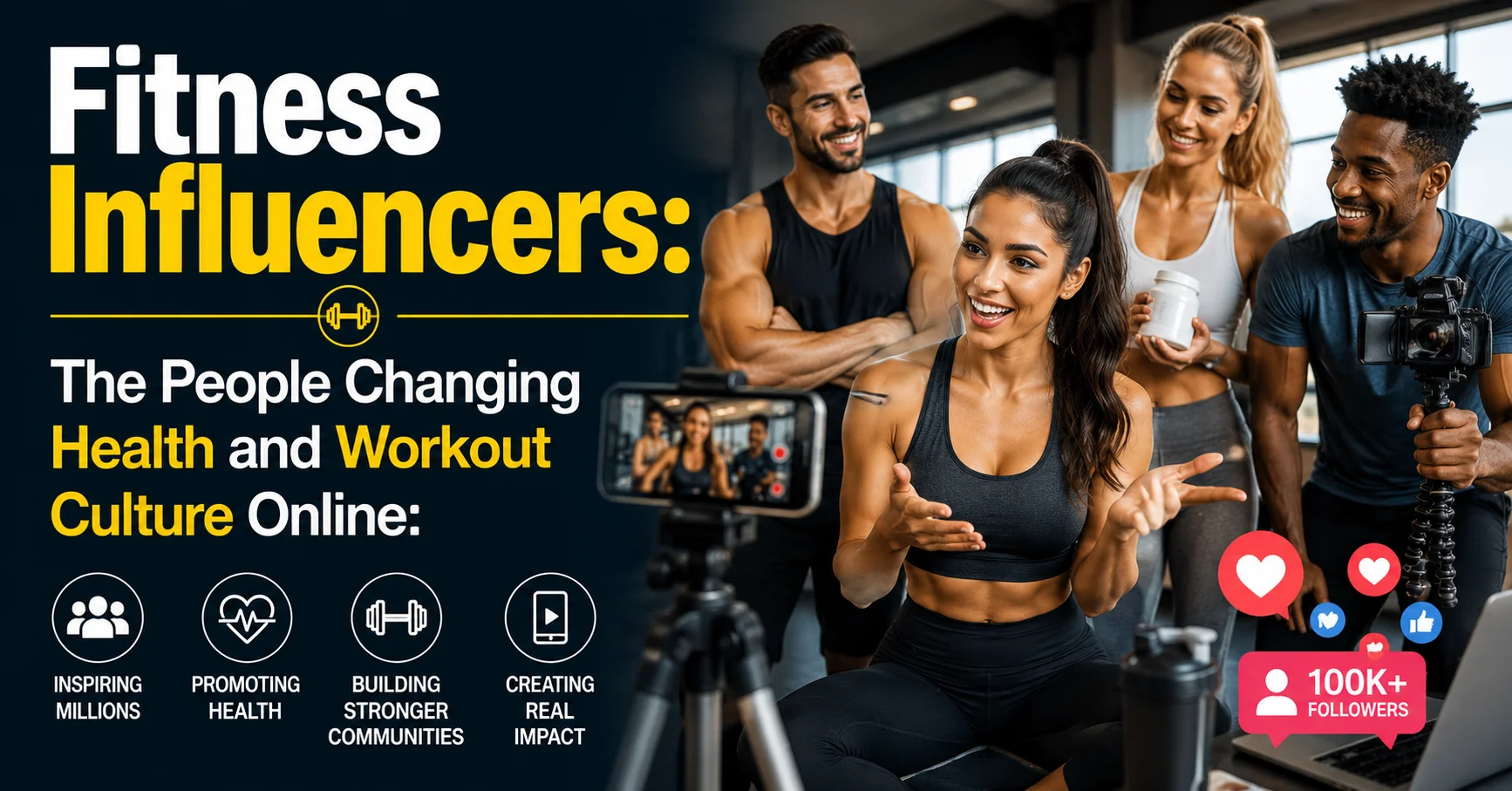
Fitness influencers are everywhere today. You see them on Instagram, YouTube, TikTok, and even podcasts. They share workouts, healthy meals, fitness tips, and daily routines. Many people follow them for motivation and guidance.
But fitness influencers are more than social media stars. They shape how people think about health and exercise. Some help beginners start their fitness journey. Others teach advanced training methods. Their content reaches millions every day.
The fitness world has changed fast in recent years. People no longer depend only on gyms or magazines. Now, they can learn workouts from their phones at home. This change made fitness influencers very powerful in modern health culture.
Many followers trust these creators because they show real struggles and real progress. They talk openly about weight loss, confidence, stress, and healthy habits. This personal connection keeps audiences engaged.
In this guide, you will learn how fitness influencers became popular, what makes them successful, and how they affect the fitness industry. You will also discover tips for choosing trustworthy influencers and avoiding bad advice online.
What Are Fitness Influencers?
Fitness influencers are people who create online content about health and exercise. They post workout videos, fitness tips, meal plans, and lifestyle advice. Their goal is often to inspire others to live healthier lives.
Some fitness influencers are certified trainers. Others are athletes, bodybuilders, yoga teachers, or regular people sharing personal transformations. Their audiences can range from a few thousand followers to millions worldwide.
Social media made fitness content easier to access. Years ago, workout knowledge mostly came from books or gyms. Now, anyone can learn exercises with one quick video online.
Fitness influencers usually focus on different niches. Some teach weight lifting. Others focus on yoga, running, home workouts, or fat loss. Many also share mental health advice because fitness and mindset often connect closely.
A good influencer builds trust through consistency and honesty. Followers like creators who share both success and failure. Real stories often inspire more people than perfect photos.
Many influencers also partner with fitness brands. They promote workout clothes, supplements, apps, and equipment. These partnerships help them earn income while growing their personal brand.
Why Fitness Influencers Became So Popular
Fitness influencers became popular because people want simple and relatable health advice. Traditional fitness media often felt hard to follow. Online creators changed that by making workouts easy and fun.
Social media platforms also helped their rise. Short workout clips spread quickly on TikTok and Instagram. YouTube allowed longer training guides and meal tutorials. This made fitness learning available to almost everyone.
The pandemic also increased interest in online fitness. Gyms closed, so people searched for home workout ideas. Fitness influencers filled that gap fast. Many creators gained huge followings during this period.
People also enjoy the personal connection influencers provide. Followers see daily routines, struggles, and progress updates. This creates a feeling of friendship and trust. Many viewers feel motivated because influencers seem relatable.
Another reason is convenience. You do not need expensive equipment for many online workouts. Some influencers create routines using only body weight or household items. This makes fitness more accessible.
I noticed many beginners feel less judged online than in gyms. Watching workout videos at home helps them build confidence first. That comfort plays a huge role in the popularity of fitness influencers today.
Different Types of Fitness Influencers
Not all fitness influencers create the same content. Each one usually focuses on a specific style of training or health advice. This variety helps people find creators who match their goals.
Personal Trainers
These influencers teach exercise techniques and workout plans. Many have certifications and coaching experience. They often focus on strength training, muscle growth, or fat loss.
Yoga and Wellness Creators
Yoga influencers focus on flexibility, mindfulness, and stress relief. Their content usually includes breathing exercises and calming routines.
Weight Loss Influencers
These creators share transformation stories and healthy lifestyle tips. Many followers connect with their personal journeys and realistic advice.
Athlete Influencers
Professional athletes also became fitness influencers online. They share sports training routines, recovery tips, and motivation.
Home Workout Experts
These influencers gained huge attention during the pandemic. Their workouts need little space or equipment, making them perfect for busy people.
Nutrition and Meal Prep Creators
Some influencers focus mainly on healthy eating. They share recipes, calorie tips, and meal preparation ideas.
This wide range means almost anyone can find helpful fitness content online. The key is choosing creators who promote safe and balanced habits.
The Positive Impact of Fitness Influencers
Fitness influencers can motivate people to improve their health. Many followers start exercising because online creators make fitness feel achievable.
One major benefit is accessibility. Free workout videos help people who cannot afford gyms or personal trainers. This opens fitness opportunities for more communities worldwide.
Many influencers also encourage consistency over perfection. They remind followers that small progress matters. This message helps reduce fear and pressure for beginners.
Mental health awareness has also improved through fitness content. Influencers now talk about anxiety, burnout, confidence, and self-care. This creates healthier conversations around wellness.
Some creators build supportive communities online. Followers motivate each other through comments and challenges. These communities help people stay accountable.
I have seen many people completely change their lifestyle through online fitness guidance. Some started with simple ten-minute workouts and later built strong long-term habits.
Fitness influencers also introduce people to new activities. Someone may discover yoga, hiking, cycling, or strength training through one video. This variety keeps exercise exciting and enjoyable.
When influencers share honest experiences, they can inspire real change in people’s lives.
The Dark Side of Fitness Influencers
While many fitness influencers help people, not all advice online is safe. Some creators spread unrealistic expectations or harmful habits.
Edited photos and perfect body images can hurt confidence. Followers may compare themselves unfairly and feel discouraged. Social media often hides the hard work and genetics behind results.
Some influencers also promote dangerous diets or supplements. They may recommend products without proper knowledge or scientific support. This can confuse beginners.
Fake fitness advice is another problem. Anyone can post workout tips online, even without training experience. Incorrect exercise form or extreme routines may cause injuries.
Sponsored content also creates trust issues sometimes. Influencers earn money from brand deals, so followers should question overly promotional recommendations.
Another issue is burnout culture. Some creators push intense daily workouts and strict eating plans. This may lead people toward unhealthy obsession instead of balanced wellness.
I believe followers should treat fitness content carefully. Inspiration is helpful, but not every online trend works for every person. Listening to qualified experts remains important.
Good fitness influencers encourage balance, patience, and realistic expectations instead of quick fixes.
How to Choose Trustworthy Fitness Influencers
Choosing the right fitness influencers matters for your health and motivation. Not every creator gives reliable information.
Start by checking qualifications. Certified trainers, nutritionists, or experienced athletes often provide safer advice. While certifications are not everything, they help build trust.
Look for creators who explain exercises clearly. Good influencers focus on proper form and injury prevention. They do not rush dangerous workouts for views.
Honesty is another important sign. Trustworthy influencers admit their struggles and avoid pretending to be perfect. Realistic content usually feels more helpful.
Be careful with extreme promises. If someone guarantees fast weight loss or instant muscle gain, that is a red flag. Healthy fitness progress takes time.
Balanced messaging also matters. Good influencers talk about rest, recovery, and mental health. They avoid promoting guilt around food or exercise.
Check audience interaction too. Helpful creators answer questions respectfully and encourage safe habits.
I personally trust influencers more when they focus on education instead of showing off. The best creators teach followers how to build long-term habits.
Finally, compare advice from multiple trusted sources before changing your diet or workout routine.
Fitness Influencers and Social Media Trends
Social media trends strongly shape the fitness world today. Many workout styles become popular because influencers promote them online.
Short workout videos are one major trend. Quick clips attract busy users who want simple routines. These videos work well on TikTok and Instagram Reels.
Fitness challenges also became huge online. People join thirty-day workout plans or step-count competitions. Challenges help followers stay motivated and engaged.
Another trend is realistic fitness content. Many audiences now prefer authentic creators over highly edited perfection. Influencers showing real bodies and struggles often build stronger trust.
Live workout sessions are also growing fast. Followers enjoy exercising together in real time. This creates community and accountability.
Wearable fitness technology became popular through influencers too. Smartwatches, fitness apps, and tracking devices often appear in sponsored content.
Nutrition trends spread quickly online as well. High-protein meals, healthy snacks, and meal-prep videos attract millions of views daily.
However, trends change fast. What becomes popular today may disappear next year. That is why followers should focus on sustainable habits instead of chasing every viral workout online.
How Fitness Influencers Make Money
Many people wonder how fitness influencers earn income online. Successful creators often build several income streams.
Brand sponsorships are one major source. Companies pay influencers to promote fitness products, clothing, or supplements. These deals can become very profitable for large creators.
Affiliate marketing is also common. Influencers share product links and earn commissions when followers buy through them.
Many fitness influencers sell their own programs too. These may include workout guides, meal plans, or coaching services.
Some creators launch fitness apps or subscription communities. Followers pay monthly fees for exclusive content and personalized support.
YouTube ads provide another income source. Popular channels earn money through video views and advertising partnerships.
Fitness influencers also sell merchandise like gym wear, water bottles, or resistance bands. Personal branding plays a huge role in these businesses.
I think the smartest creators focus on building trust first. Followers support influencers who provide real value before trying to sell products.
Still, audiences should remember that sponsored posts are marketing. It is always good to research products independently before purchasing.
The Role of Fitness Influencers in Mental Health
Modern fitness influencers talk about more than physical appearance. Mental health became an important topic in fitness communities.
Exercise can reduce stress and improve mood. Many influencers openly discuss how workouts helped their confidence and mental wellbeing.
This honesty helps followers feel less alone. People dealing with anxiety or low motivation often find comfort in relatable stories.
Some influencers promote healthy self-image instead of unrealistic perfection. They encourage followers to appreciate progress and focus on strength rather than appearance.
Mindfulness practices also became popular in fitness content. Yoga, meditation, and breathing exercises are now common online wellness trends.
However, social media can also create pressure. Constant fitness content may lead some users to feel inadequate or obsessed with body image.
That is why balance matters. Healthy influencers remind followers to rest, enjoy life, and avoid comparing themselves to others.
I appreciate creators who speak honestly about difficult days. Real conversations about mental health make fitness feel more human and supportive.
The best fitness influencers understand that wellness includes both body and mind.
Beginner Tips for Following Fitness Influencers
If you are new to fitness content online, start slowly. Following too many creators at once can feel overwhelming.
Choose a few fitness influencers whose style matches your goals. A beginner should not copy advanced bodybuilding workouts immediately.
Focus on creators who teach safe basics first. Learning proper form is more important than chasing difficult exercises.
Save workouts that fit your schedule and fitness level. Consistency matters more than intensity in the beginning.
Avoid comparing your progress to influencers online. Many creators have years of training experience. Your journey will look different.
Listen to your body during workouts. Rest when needed and avoid painful exercises.
It also helps to follow influencers with positive attitudes. Encouraging content keeps motivation high during tough days.
I recommend mixing online guidance with professional advice when possible. A doctor or trainer can help you create safe goals.
Finally, remember that fitness should improve your life, not control it. Healthy habits work best when they feel realistic and enjoyable.
The Future of Fitness Influencers
The future of fitness influencers looks very strong. Online health content continues growing every year.
Technology will likely shape the next phase of fitness culture. Virtual workouts, AI coaching, and fitness apps are already becoming more advanced.
Many influencers now create personalized workout experiences. Followers can access custom plans and live coaching from anywhere in the world.
Authenticity will also remain important. Audiences are becoming smarter about fake content and unrealistic marketing. Honest creators may continue growing faster.
Fitness influencers may also focus more on overall wellness instead of appearance alone. Topics like sleep, stress management, and recovery are becoming more popular.
Short-form video content will likely stay powerful too. Quick workout clips attract younger audiences and busy adults.
I believe the most successful influencers will balance motivation with education. People want real guidance, not only entertainment.
The fitness industry will continue evolving, but one thing seems clear. Online creators will remain a major part of how people learn about health and exercise.
FAQs About Fitness Influencers
Are fitness influencers qualified trainers?
Some are certified trainers, but not all. Always check qualifications before following serious fitness advice.
Can fitness influencers help beginners?
Yes, many creators offer beginner-friendly workouts and simple health tips for new fitness journeys.
Do fitness influencers earn money online?
Yes. They earn through sponsorships, coaching, ads, affiliate marketing, and fitness products.
Are all fitness influencers trustworthy?
No. Some share misleading advice or unrealistic expectations. Research carefully before following trends.
Which platform is best for fitness content?
Instagram, TikTok, and YouTube are the most popular platforms for fitness influencers today.
Should I follow multiple fitness influencers?
Yes, but avoid information overload. Follow a few trusted creators who match your goals and values.
Conclusion
Fitness influencers changed the way people learn about health and exercise. They made fitness more accessible, relatable, and motivating for millions worldwide.
The best fitness influencers inspire healthy habits while promoting balance and realism. They teach workouts, nutrition, confidence, and mental wellness in ways traditional media often could not.
Still, followers should stay careful online. Not every trend or product is safe. Choosing trustworthy creators is important for long-term success.
Fitness should never feel like punishment. Good influencers remind people that health is a journey, not a race. Small daily habits often create the biggest changes over time.
Whether you want to lose weight, build strength, or simply feel healthier, fitness influencers can provide motivation and guidance. The key is using their content wisely and focusing on what works best for your own body and lifestyle.
tipsforhealthy.com
https://tipsforhealthy.com/planet-fitness-jobs/
