

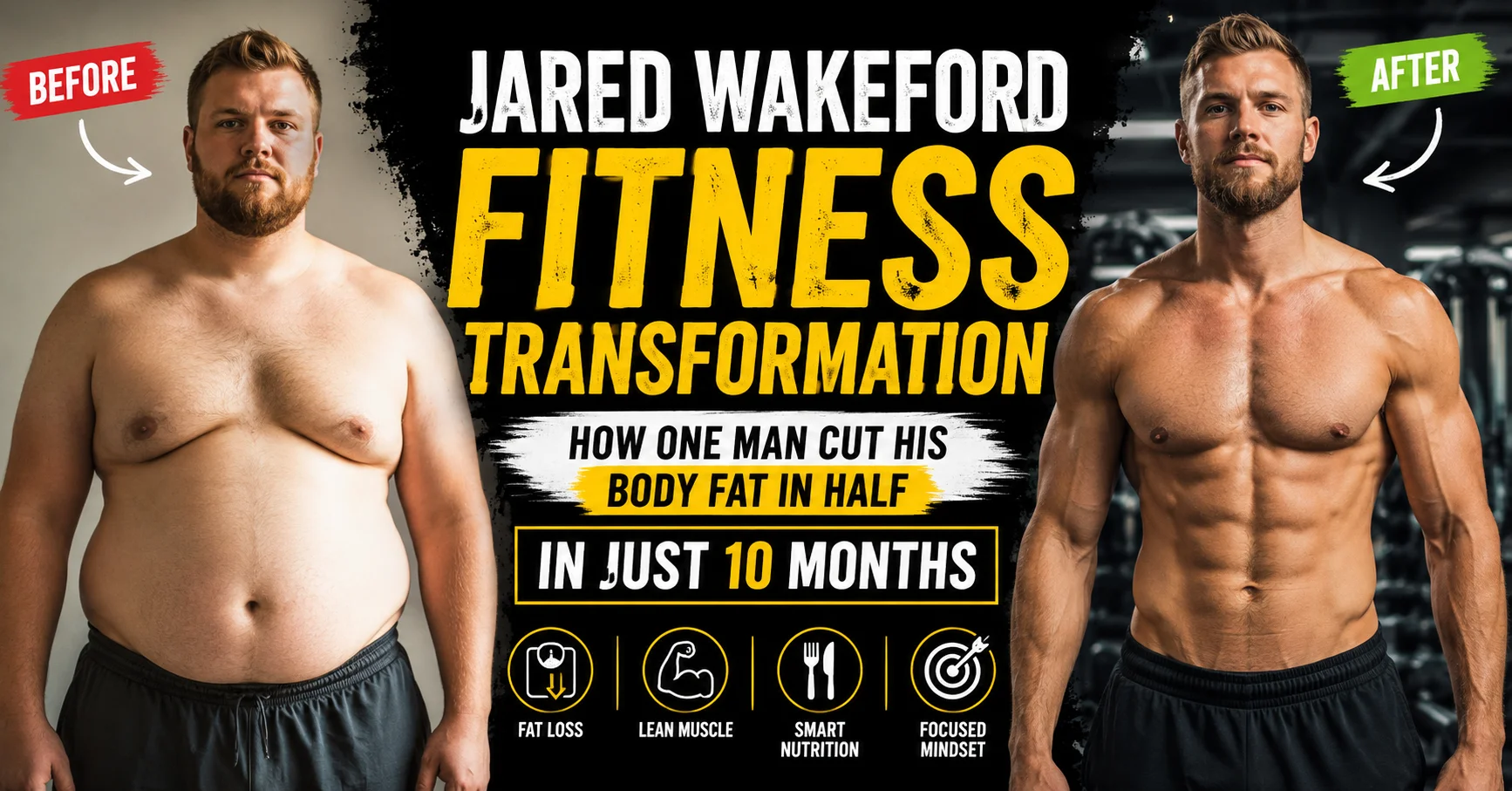
What if everything you believed about getting fit was completely wrong? That’s exactly what Jared Wakeford discovered — and it changed his life forever. The Jared Wakeford fitness transformation is one of the most talked-about real-life body recomposition stories of recent years. It’s not about steroids. It’s not about six hours a day in the gym. It’s about working smarter, eating better, and ditching the bad advice the internet keeps feeding us.
Jared is a 31-year-old software developer from London. For years, he tried everything social media fitness gurus told him. He ate mountains of bland chicken breast. He spent hours lifting weights. He cut out carbs like they were poison. And what did he get for it? More body fat, less energy, and a whole lot of frustration. Sound familiar?
Then, in early 2025, Jared made a decision that changed everything. He hired a real personal trainer and a registered dietitian. He stopped guessing. He started following a plan built on science — not viral videos. In just ten months, his body fat dropped from around 20% all the way down to 10%. The Jared Wakeford fitness transformation proves something powerful: you don’t need to suffer to succeed. You just need the right plan.
Who Is Jared Wakeford? The Man Behind the Transformation
Before we talk about the plan, let’s talk about the person. Jared Wakeford isn’t a fitness influencer. He isn’t a professional athlete. He’s a regular guy with a desk job, a busy London lifestyle, and a dream to feel good in his own body. That’s what makes his story so relatable and so powerful.
For a long time, Jared felt stuck. He described being in a “perma-bulk” — that frustrating fitness phase where you keep eating more and more protein hoping to build muscle, but you mostly just gain fat instead. He was consuming around 250 grams of protein every single day. That’s an enormous amount. Most people need far less. Instead of building a lean physique, he was packing on unwanted weight and feeling worse than ever.
What’s especially interesting is that Jared thought he was doing everything right. He believed in the fitness content he was consuming. He followed the advice. He put in the effort. The problem wasn’t his work ethic — it was the information he was working with. The Jared Wakeford fitness transformation began the moment he realized that and chose to seek professional guidance instead.
The Biggest Mistake: Too Much Protein, Not Enough Balance
Here’s a fact that surprises a lot of people: you can eat too much protein. Most fitness influencers never tell you that. They push protein powders, high-protein meal plans, and “eat more chicken” advice constantly. But science tells a different story.
Research shows the optimal amount of protein to build muscle is around 0.7 grams per pound of body weight per day. For an average-sized man, that’s roughly 120–150 grams daily. Jared was eating 250 grams. That’s almost double what his body actually needed. The extra protein wasn’t building muscle — it was adding calories and crowding out other important nutrients.
When Jared’s dietitian looked at his plan, the fix was clear. They dropped his protein intake to around 130 grams per day. That freed up room in his diet for something he had been avoiding for years: healthy carbohydrates. Fruit with his morning Greek yogurt. Rice with stir-fried vegetables and chicken at lunch. Real, nourishing foods that gave him energy instead of weighing him down.
| Before Transformation | After Transformation |
|---|---|
| ~250g protein per day | ~130g protein per day |
| Carbs heavily restricted | Healthy carbs included |
| No food tracking | Careful, honest tracking |
| Low energy, digestive issues | High energy, feeling strong |
| 20% body fat | ~10% body fat |
The lesson here is clear. Balance matters more than extremes. The Jared Wakeford fitness transformation is proof that eating enough carbs — not too few, not too many — is part of any successful fat loss journey.
The Hidden Calories That Were Sabotaging His Progress
One of the most eye-opening parts of the Jared Wakeford fitness transformation is the coffee shop confession. Jared was being very strict at mealtimes. No carbs. No treats. Chicken and broccoli, day after day. He thought he was in a calorie deficit. But he wasn’t tracking everything — and that was the problem.
Every afternoon, Jared would pop out for a flat white and a pastry. It felt like nothing. Just a quick break. A little treat. But those daily coffee runs were adding hundreds of empty calories to his intake — calories with almost no nutritional value for his workouts. He wasn’t eating badly on purpose. He just wasn’t paying attention.
This is incredibly common. Studies show that people consistently underestimate their calorie intake by 20–40%. We forget the sauces, the drinks, the “just a bite” moments. When Jared started tracking everything honestly — every bite, every sip — he saw exactly where his calories were going. That awareness was a game changer.
The takeaway? You can’t out-train a diet you’re not tracking. Real change starts with honest awareness. Once Jared had that, the Jared Wakeford fitness transformation really took off.

Why He Quit the “Bro Split” and Never Looked Back
If you’ve spent any time in the gym, you’ve heard of bro splits. That’s where you dedicate each day to one muscle group: chest Monday, back Tuesday, shoulders Wednesday, arms Thursday, legs… maybe. Jared was doing exactly this. He was spending hours in the gym every week, targeting individual muscle groups, and skipping leg day more often than not.
The results? Almost nothing to show for it. His body wasn’t changing the way he wanted. He was spending more time in the gym than most people and getting less results than he deserved.
His trainer, Adam Enaz, saw the problem immediately. The solution was to switch from a bro split to full-body workouts, five days per week. Instead of hammering one muscle group per session, each workout would challenge the whole body. This approach has several powerful advantages.
First, you train each muscle group more frequently. Instead of hitting your chest once a week, you engage it multiple times. Second, you’re fresher for each exercise, which means better form and heavier weights. Third, your body burns more calories overall because more muscles are working during every session.
“You have more energy to do each exercise, you’re able to do more volume,” Enaz explained. “That leads to not only more muscle gain but burning more calories.”
The Power of Supersets: More Work in Less Time
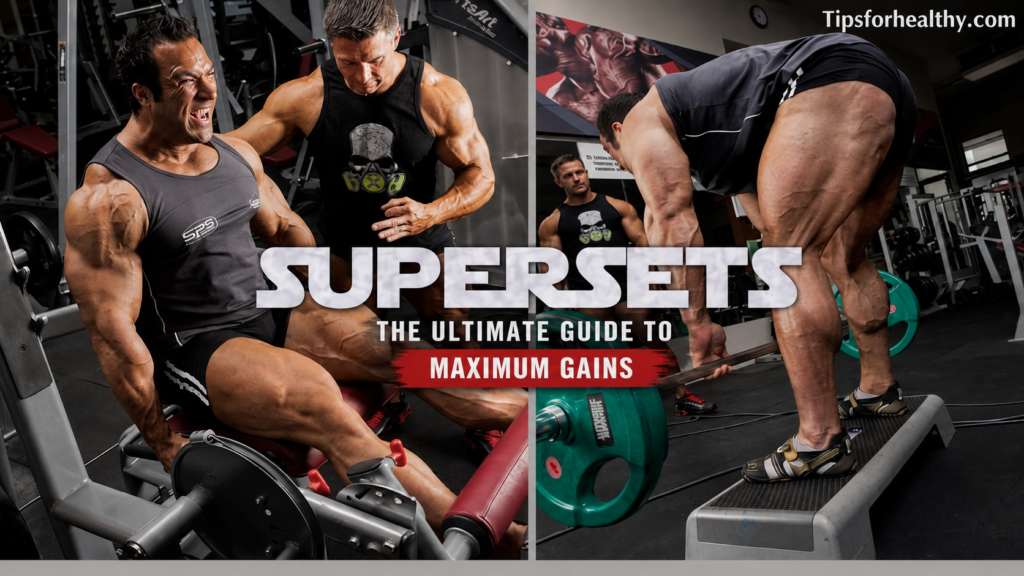
One of the smartest tools in the Jared Wakeford fitness transformation toolkit was the use of supersets. A superset is when you perform two exercises back-to-back with little or no rest between them. For example, you might do a set of bench presses and then immediately move into a set of pull-ups before resting.
Supersets are incredibly efficient. Instead of sitting around between sets, you’re keeping your heart rate up and working a different muscle group while the first one recovers. This doubles the amount of work you can do in the same amount of time. It also burns significantly more calories because your cardiovascular system stays engaged throughout.
Jared’s new gym philosophy became simple: get in, work hard, get out. No wasted time. No unnecessary breaks. His workouts became shorter but far more effective. This is perfect for someone with a busy professional lifestyle — which describes most of us.
| Training Method | Weekly Muscle Frequency | Time in Gym | Calories Burned |
|---|---|---|---|
| Traditional Bro Split | 1x per muscle | 60–90 min/session | Moderate |
| Full-Body + Supersets | 3–5x per muscle | 45–60 min/session | High |
| Full-Body + AMRAP Finisher | 3–5x per muscle | 50–65 min/session | Very High |
AMRAP Finishers: The Secret Weapon at the End of Every Workout
If supersets were the foundation, AMRAP finishers were the cherry on top. AMRAP stands for “As Many Reps As Possible” within a set time limit. Jared would end each workout with two to three minutes of something intense — like chin-ups or presses — done without stopping until the timer ran out.
This kind of high-intensity finisher does something special. It pushes your muscles to their absolute limit. It spikes your heart rate. And it creates a powerful metabolic effect that keeps your body burning extra calories even after you leave the gym. Exercise scientists call this EPOC — Excess Post-Exercise Oxygen Consumption. Basically, your body keeps working hard for hours after an intense session.
Jared described these finishers as “a killer but really good for getting a pump in at the end of the workout.” He loved leaving the gym feeling completely spent — because that feeling meant the session had counted. That kind of satisfaction builds momentum. And momentum builds lasting habits. This was a key ingredient in the Jared Wakeford fitness transformation that most people overlook.
Ditching Influencer Advice: The Decision That Changed Everything
Let’s be honest. Social media fitness advice can be genuinely dangerous. Not because every influencer is lying — some give good information. But because the algorithm rewards extremes. The most dramatic claims get the most views. “Eat nothing but protein!” “Never touch carbs!” “Train for two hours a day!” These ideas go viral because they sound intense and exciting. But they’re often flat-out wrong.
Jared followed influencer advice faithfully for years. He tried the extreme approaches. He ate the bland food. He pushed through workouts he hated. And he got worse results than his effort deserved. The Jared Wakeford fitness transformation really began the day he decided to stop listening to online gurus and start listening to qualified professionals.
His personal trainer had real credentials and real experience. His dietitian understood the science of nutrition at a deep level. Together, they gave Jared something priceless: a personalised plan that actually matched his body, his schedule, and his goals. No guesswork. No extreme measures. Just smart, sustainable strategies that worked.
This is one of the most important lessons anyone can take from Jared’s journey. Not everyone needs a personal trainer. But everyone needs to be careful about where they get their fitness information. Credentials and evidence matter more than follower counts.
The Confidence Boost Nobody Expected
The Jared Wakeford fitness transformation wasn’t just physical. Something remarkable happened on the inside, too. As Jared’s body changed, his confidence grew — in ways that spilled into every corner of his life.
He mentioned something particularly touching: for years, he had struggled with anxiety about public speaking at work. Presenting in front of colleagues filled him with dread. But after his transformation, something shifted. He nailed a major work presentation that he would previously have dreaded. The physical discipline, the visible results, the daily proof that he could set a goal and achieve it — all of that built a kind of quiet self-belief that didn’t exist before.
This is more common than you might think. When we take control of our health, we often find that confidence in one area bleeds into all the others. Fitness isn’t just about how you look. It’s about how you move through the world. It’s about proving to yourself, every single day, that you are someone who keeps their promises — even the ones made only to yourself.
How Jared Maintains Flexibility Without Losing Progress
One of the most refreshing things about the Jared Wakeford fitness transformation is that it didn’t require him to live like a monk. He didn’t have to give up every joy in life. He didn’t skip his trip to Japan. He didn’t avoid every social event because of food anxiety.
Instead, he learned to be flexible in a structured way. He followed his plan consistently during the week. But he also allowed himself to enjoy special occasions without guilt. A meal out with friends. A celebratory dinner. A holiday treat. These moments didn’t derail his progress because the rest of his habits were solid.
This is the sustainable approach that most crash diets and extreme programs fail to offer. When you eat mostly well, exercise consistently, and track your intake honestly, a little flexibility doesn’t hurt you. In fact, it helps. Because it keeps you sane. It keeps the plan liveable. And liveable plans are the only ones that actually work long-term.
| Lifestyle Habit | Rigid Approach (Old Way) | Flexible Approach (Jared’s Way) |
|---|---|---|
| Diet | Chicken + broccoli every day | Balanced meals + occasional treats |
| Tracking | Guessing / not tracking | Honest, consistent tracking |
| Social events | Avoid or feel guilty | Enjoy mindfully, stay consistent overall |
| Travel | Fear of “ruining progress” | Planned flexibility, maintain habits |
| Workouts | Long, inefficient sessions | Short, intense, full-body sessions |
Step-by-Step: How to Apply the Jared Wakeford Method to Your Own Life
You don’t need to be a London software developer to benefit from what Jared learned. These principles work for almost anyone. Here’s a simple breakdown of how to apply the Jared Wakeford fitness transformation approach to your own journey.
Step 1: Get professional help. Even a few sessions with a qualified personal trainer or a consultation with a registered dietitian can save you years of wasted effort. Professionals give you a plan that’s actually designed for your body.
Step 2: Audit your protein intake. If you’re eating more than 0.7–1 gram per pound of body weight, you’re overdoing it. Redirect those extra calories toward whole-food carbohydrates.
Step 3: Start tracking honestly. Use a food tracking app and log everything — including the drinks, the sauces, and the afternoon snacks. You might be shocked by what you find.
Step 4: Switch to full-body workouts. If you’re doing a bro split and not seeing results, it might be time to change your approach. Full-body training with supersets is more efficient and more effective for most people.
Step 5: Add AMRAP finishers. End your workouts with two to three minutes of intense, non-stop effort. This boosts calorie burn and builds mental toughness.
Step 6: Build in flexibility. Plan for real life. Allow yourself to enjoy special occasions without guilt. Consistency over time matters far more than perfection in the short term.
FAQs About the Jared Wakeford Fitness Transformation
Q1: How long did the Jared Wakeford fitness transformation take?
The transformation took approximately ten months. Jared began working with his personal trainer and dietitian in early 2025. By the end of the year, his body fat had dropped from around 20% to approximately 10%. This is a realistic and sustainable timeline for significant body recomposition — not a crash diet result.
Q2: Did Jared Wakeford use any supplements during his transformation?
There is no mention of supplements playing a significant role in the Jared Wakeford fitness transformation. The focus was on whole-food nutrition — particularly adding healthy carbohydrates back into his diet — and smarter training. This supports the idea that real food and proper programming are far more valuable than any supplement.
Q3: Why did reducing protein help Jared lose body fat?
When Jared was eating 250 grams of protein daily, those extra calories — beyond what his body needed for muscle repair — were being stored as fat and crowding out more useful nutrients like complex carbohydrates. By cutting protein to around 130 grams and adding whole-food carbs, he improved his energy, supported better workouts, and created a more sustainable calorie balance. It’s a classic example of less being more.
Q4: What is a full-body workout and why is it better than a bro split?
A full-body workout trains multiple muscle groups in a single session — think squats, presses, rows, and lunges all in one workout. A bro split focuses one day entirely on one muscle (like just chest or just arms). Full-body training allows you to work each muscle more frequently during the week, which science shows leads to greater muscle growth and calorie burn. For busy people especially, it’s a much more efficient approach.
Q5: Can women follow the same plan as Jared Wakeford?
Absolutely. The core principles of the Jared Wakeford fitness transformation — balanced nutrition, honest tracking, full-body training, and professional guidance — apply equally to women. Hormonal differences may affect the pace of fat loss, but the fundamentals of sustainable body recomposition are the same for everyone.
Q6: Is a smart scale accurate enough to track body fat like Jared did?
Smart scales use bioelectrical impedance to estimate body fat, and they’re not as precise as DEXA scans or hydrostatic weighing. However, they are useful for tracking trends over time. As long as you use the same scale, at the same time of day, under similar conditions, the directional changes are meaningful. Jared’s drop from 20% to 10% — even if the exact numbers aren’t perfectly accurate — represents a very real and visible transformation.
Final Thoughts: What the Jared Wakeford Fitness Transformation Really Teaches Us
At the end of the day, the Jared Wakeford fitness transformation is more than a before-and-after story. It’s a lesson in humility, in seeking the right help, and in having the courage to change what isn’t working.
Jared spent years doing the “right” things — according to bad sources. He worked hard. He sacrificed. He just wasn’t working smart. The moment he stepped away from influencer noise and leaned into real professional expertise, everything changed. His body responded. His confidence grew. His life improved in ways he didn’t even expect.
You might be in the same boat right now. You might be grinding away at workouts that aren’t delivering. You might be eating “clean” but still not seeing results. If so, Jared’s story is for you. The fix might be simpler than you think. Eat more balanced meals. Train more efficiently. Track honestly. Get help when you need it. And above all, give yourself time.
“I’m pinching myself being on the other side of it and seeing the pictures,” Jared said. “It’s a huge deal for me.”
It can be a huge deal for you, too. Start today. Take one small step. Because the Jared Wakeford fitness transformation didn’t begin with a perfect plan. It began with a decision to do things differently.
