
Have you ever wondered if a tiny vitamin could really change your hair, skin, or nails? You have likely heard people buzzing about the best biotin supplement for beauty and strength. It is one of the most talked-about vitamins on the internet today. But is it just hype, or is there some real magic happening behind the scenes?
When we talk about biotin, we are actually talking about vitamin B7. It is a humble helper that your body uses every single day. It works hard to turn the food you eat into the energy you need to thrive. While many people chase the idea of “faster growth,” the truth is a bit more nuanced. Finding the right support for your body is about balance, not just picking the biggest bottle on the shelf.
In this guide, we will explore what really makes a high-quality vitamin. We will look past the clever marketing to see what your body actually needs. Whether you are looking for a simple boost or just curious about how supplements work, let’s dive into the world of biotin together in a way that is easy to understand.
What Exactly Is Biotin?
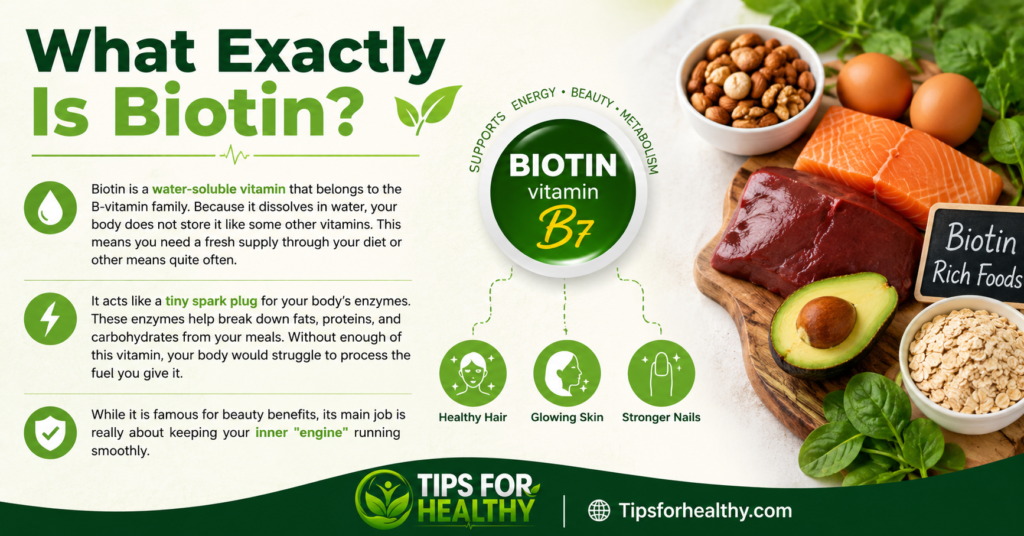
Biotin is a water-soluble vitamin that belongs to the B-vitamin family. Because it dissolves in water, your body does not store it like some other vitamins. This means you need a fresh supply through your diet or other means quite often. It acts like a tiny spark plug for your body’s enzymes. These enzymes help break down fats, proteins, and carbohydrates from your meals. Without enough of this vitamin, your body would struggle to process the fuel you give it. While it is famous for beauty benefits, its main job is really about keeping your inner “engine” running smoothly.
Can a Supplement Really Change Your Hair and Nails?
Many people start searching for the best biotin supplement because they notice their hair thinning or their nails breaking. It is a common frustration. If your body is truly low on this nutrient, your hair and nails may indeed show signs of it. Some people notice that their hair feels a little stronger or their nails chip less after they start taking a regular, balanced supplement. However, science tells us that most of us get enough from our daily meals. If you already have normal levels, adding extra might not create a “miracle” change. It is always best to manage your expectations and focus on overall health.
How to Spot a High-Quality Product
Walking down the supplement aisle can feel overwhelming. How do you pick the best biotin supplement among so many colorful labels? First, look for brands that value transparency. A great company will tell you exactly what is inside the bottle. Look for third-party testing stamps on the label. These stamps mean an outside lab checked the product to make sure it contains exactly what it claims. Avoid products that make wild promises that sound too good to be true. A good, honest supplement should support your health, not promise to change your life overnight. Quality always beats quantity when it comes to vitamins.
Understanding the “Mega-Dose” Trap
You will often see bottles boasting 5,000 or even 10,000 micrograms of biotin. That sounds impressive, right? But here is a little secret: more is not always better. The body has a limit on how much it can absorb and use at one time. Any extra that your body doesn’t need is simply sent out through your urine. Taking a “mega-dose” might feel like you are doing more, but your body is likely just working hard to flush the excess away. Sometimes, a smaller, steady amount is much better for your system. Always choose a dose that feels sensible and gentle for your daily routine.
Don’t Forget Your Natural Food Sources
Before you rush to buy a pill, remember that nature provides amazing options! You might be getting plenty of biotin from your kitchen already. Foods like egg yolks, salmon, and peanuts are packed with this helpful nutrient. Even mushrooms, cauliflower, and sweet potatoes contribute to your daily intake. Eating a balanced diet is usually the safest and most effective way to keep your levels where they need to be. Supplements are meant to “supplement” or fill in the gaps, not replace the goodness of real, whole foods. Try to boost your plate first!
| Food Source | Why It’s Great |
| Egg Yolks | One of the most famous and concentrated natural sources. |
| Salmon | Rich in healthy fats and great for overall hair health. |
| Peanuts | A convenient snack that gives you a nice biotin boost. |
| Sweet Potatoes | A tasty way to get fiber and nutrients at once. |
| Sunflower Seeds | Easy to sprinkle on salads or yogurt for extra power. |
The Role of Your Gut Microbiome
Did you know that parts of your own body help make biotin? Your gut is home to a massive community of tiny, friendly bacteria. These helpful microbes can actually produce a small amount of biotin for you. This is why it is so important to keep your gut happy with fiber and healthy foods. A healthy microbiome acts as your own little factory. When your inner environment is balanced, you might find that you need less help from outside supplements. Caring for your gut is a secret, foundational step to better health.
Why Quality Matters: Purity and Potency
When shopping for the best biotin supplement, think about how the product is made. Cheaply made supplements might contain fillers, binders, or extra additives that your body doesn’t need. These can sometimes cause an upset stomach. Instead, look for clean labels. A good manufacturer will ensure their process is clean and controlled. They follow rules to make sure the vitamin is stable and easy for your body to digest. Think of your body like a high-performance vehicle; you wouldn’t want to put low-quality fuel into it, so why choose low-quality supplements?
Being Careful with Lab Tests
There is a very important safety tip that many people miss. If you take a high-dose biotin supplement, you must tell your doctor before you get blood work done. This is because this vitamin can interfere with certain lab tests. It can sometimes give your doctor “false” results, especially for heart and thyroid tests. It doesn’t mean the vitamin is “bad,” but it can confuse the machines. Just be smart and honest with your healthcare provider about everything you take. It is a simple step that keeps you safe and helps your doctor give you the best care.
Common Signs of a Real Deficiency
While a true lack of biotin is quite rare in most people, it can happen. If you are worried, look for the real signs rather than just guessing. Symptoms of a true deficiency might include thinning hair, a scaly red rash around the eyes or mouth, and nails that are extremely brittle. These symptoms are usually quite noticeable. If you feel like something is wrong, please speak with a doctor. They can run a simple test to see if you really need extra support. Never try to “self-diagnose” based on random symptoms.
When Should You Take Your Supplement?
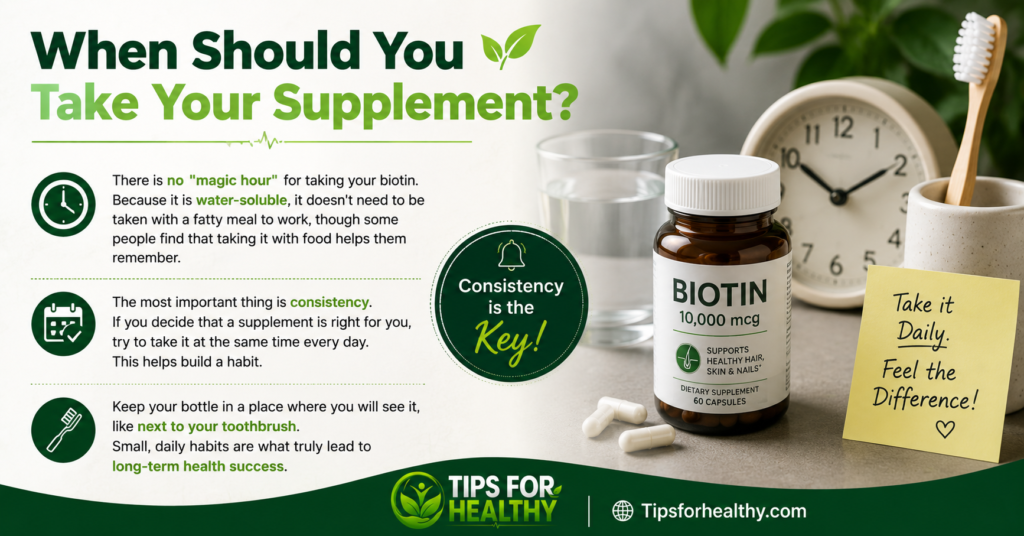
There is no “magic hour” for taking your biotin. Because it is water-soluble, it doesn’t need to be taken with a fatty meal to work, though some people find that taking it with food helps them remember. The most important thing is consistency. If you decide that a supplement is right for you, try to take it at the same time every day. This helps build a habit. Keep your bottle in a place where you will see it, like next to your toothbrush. Small, daily habits are what truly lead to long-term health success.
Frequently Asked Questions (FAQs)
1. Is the best biotin supplement the one with the highest dose?
No, a higher dose does not mean better results. Most adults only need a small amount daily, and your body can only absorb so much at once.
2. How long does it take to see results?
If you are correcting a deficiency, it can take several months—often 3 to 6 months—to notice a real difference in hair or nail strength. Patience is key!
3. Are there any side effects to taking too much?
Biotin is generally very safe because your body flushes out the excess. However, extremely high doses can interfere with important medical blood tests.
4. Can I get enough biotin from food alone?
Yes! Most people get enough from a balanced diet including eggs, nuts, and healthy vegetables. Supplements are only necessary if your doctor identifies a need.
5. Does biotin help with skin rashes?
It helps if the rash is caused by a biotin deficiency. Otherwise, it is not a cure-all for general skin issues. Always see a dermatologist for persistent rashes.
6. Should I take biotin if I am pregnant?
Always talk to your OB-GYN before adding any new supplement to your routine during pregnancy to ensure it is safe for your specific needs.
Conclusion: Making Informed Choices
Finding the best biotin supplement is really about listening to your body and doing your research. While this vitamin plays a crucial role in your health, it is not a magic solution that solves every beauty concern. The healthiest path forward is always a combination of a balanced, whole-food diet, a happy gut, and mindful choices.
Before you invest in any new product, remember to prioritize quality and transparency. If you have concerns about your hair, skin, or nails, start by chatting with your doctor. They can help you figure out if you actually have a gap in your nutrition or if something else is going on. Stay curious, keep your routine simple, and remember that you are already doing great by taking an interest in your well-being! What is one small change you can make to your diet today to naturally boost your nutrient intake?
