
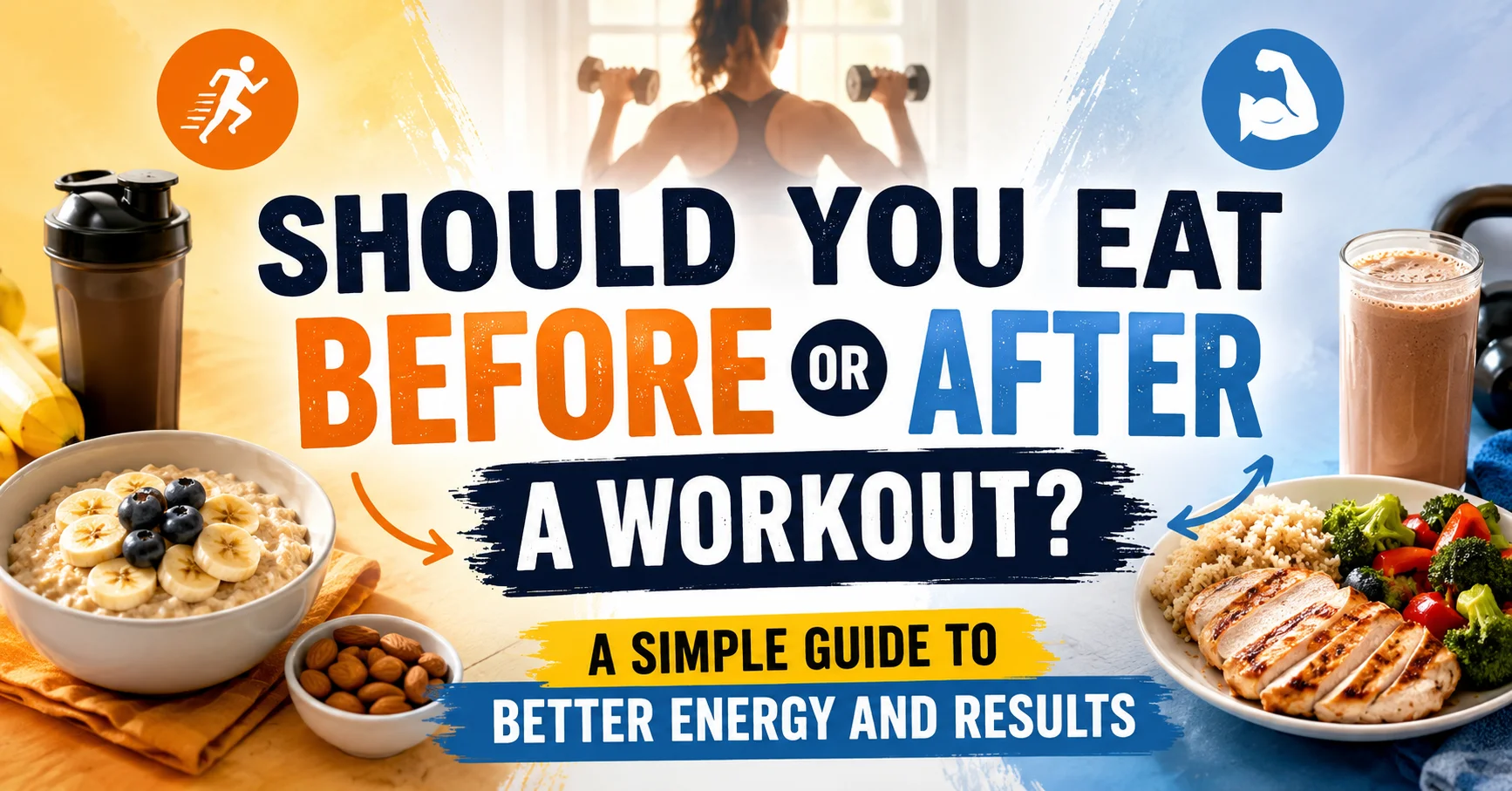
Many people ask the same question before starting a fitness journey: should you eat before or after a workout? The answer depends on your goals, workout type, body needs, and daily routine. Some people feel stronger after eating first. Others prefer training on an empty stomach. Both choices can work when done correctly.
Food gives your body energy. It also helps muscles recover after exercise. The right timing can improve strength, endurance, and fat loss. But eating the wrong foods or eating at the wrong time may leave you feeling tired, slow, or sick during training.
This guide will help you understand the best time to eat around workouts. You will learn how pre-workout and post-workout meals affect your body. You will also discover what foods work best, common mistakes to avoid, and how to choose the right approach for your personal goals.
Why Meal Timing Around Workouts Matters
Your body needs fuel to move, lift, run, and recover. Food acts like gasoline for a car. Without enough energy, workouts can feel harder. When you eat at the right time, your body performs better and recovers faster afterward.
Carbohydrates are the main source of energy during exercise. Protein helps repair and build muscles after activity. Healthy fats support hormones and overall health. Water is also very important because dehydration lowers performance and increases tiredness.
Some people think workout timing matters only for athletes. That is not true. Even beginners can notice a difference. Eating correctly before or after exercise may help improve focus, energy, and recovery. It can also reduce dizziness and muscle soreness.
The question “should you eat before or after a workout” becomes more important when you have specific goals like weight loss, muscle gain, or better endurance. Your eating schedule should support those goals naturally and safely.
Should You Eat Before or After a Workout for Weight Loss?
People trying to lose weight often wonder if fasted workouts burn more fat. Fasted exercise means working out without eating first. Some studies suggest it may increase fat burning during the workout itself. But that does not always mean greater long-term fat loss.
Many people feel weak during fasted workouts. They may exercise less intensely or stop early because of low energy. In that case, eating a light meal before training can actually help burn more total calories because performance improves.
If weight loss is your goal, focus on your full daily eating habits instead of only workout timing. A healthy calorie balance matters most. Still, smart meal timing can support your results and help control hunger later in the day.
For example, a banana and yogurt before exercise can provide steady energy. After the workout, lean protein and vegetables may help recovery without adding unnecessary calories. A balanced plan usually works better than extreme fasting methods.
Benefits of Eating Before a Workout
Eating before exercise gives your body quick energy. This is especially helpful for intense workouts like running, cycling, weightlifting, or sports training. A small meal or snack can improve stamina and focus.
When you eat before training, your muscles store glycogen from carbohydrates. Glycogen acts as fuel during exercise. Without enough glycogen, you may feel weak or dizzy. This often happens during long workouts or morning exercise sessions.
Protein before workouts may also help protect muscles from breakdown. Many athletes eat a mix of carbs and protein before training. A simple example is oatmeal with peanut butter or toast with eggs.
Another benefit is mental focus. Many people feel more alert after eating a healthy snack. You may notice better mood and stronger motivation during exercise. This can make workouts feel easier and more enjoyable.
Still, timing matters. Eating a large meal right before exercise can cause stomach pain or bloating. Most people do best eating one to three hours before a workout, depending on the meal size.
Benefits of Eating After a Workout
After exercise, your body starts repairing muscle tissue and replacing lost energy. This is why post-workout nutrition matters. Eating after exercise supports recovery and helps your body adapt to training.
Protein is especially important after workouts. It provides amino acids that help rebuild muscles. Carbohydrates help refill glycogen stores so your body has energy again. Water and electrolytes replace fluids lost through sweat.
Many people skip meals after workouts because they think it helps weight loss. In reality, skipping recovery meals may increase hunger later and lead to overeating. It can also slow muscle recovery and leave you feeling exhausted.
Good post-workout meals do not need to be complicated. Grilled chicken with rice, a protein smoothie, or yogurt with fruit are simple options. The goal is balance, not perfection.
Personally, I noticed less soreness and better energy when I started eating within an hour after workouts. Small changes like this can make fitness feel easier and more sustainable over time.
Should You Eat Before or After a Workout in the Morning?
Morning workouts are very common because they fit busy schedules. But many people struggle with the choice between exercising fasted or eating first thing in the morning.
If your workout is light, such as walking, stretching, or easy yoga, exercising without food may feel fine. Your body can usually handle short, low-intensity sessions while fasting overnight.
However, harder workouts often feel better with some fuel first. A small snack like a banana, apple, or slice of toast can improve energy without feeling heavy. This is especially useful for strength training or cardio sessions longer than 45 minutes.
After morning exercise, breakfast becomes very important. Your body needs nutrients to recover and restore energy for the day ahead. Skipping breakfast after a workout may increase fatigue and cravings later.
There is no perfect rule for everyone. The best approach depends on how your body feels. Try different routines and pay attention to your energy, performance, and recovery.
Best Foods to Eat Before a Workout
The best pre-workout foods are easy to digest and provide steady energy. Carbohydrates are the main focus because they fuel movement and endurance. Adding a little protein can also help muscles.
Some simple pre-workout meal ideas include:
- Oatmeal with banana
- Greek yogurt with berries
- Peanut butter toast
- Rice with eggs
- Smoothies with fruit and protein
- Apples with nut butter
Avoid greasy or very heavy foods before exercise. Fried foods and large meals may upset your stomach during activity. High-sugar snacks can also lead to energy crashes later.
Timing is important too. Large meals work best two to three hours before training. Small snacks are usually fine 30 to 60 minutes before exercise.
Hydration matters just as much as food. Drink water throughout the day and before workouts. Even mild dehydration can reduce performance and increase tiredness.
Best Foods to Eat After a Workout
After exercise, your body needs nutrients to repair and recover. Protein helps rebuild muscles, while carbohydrates restore energy. Healthy fats can also support overall recovery when eaten in moderation.
Good post-workout meals include:
- Chicken with sweet potatoes
- Tuna sandwich on whole-grain bread
- Protein smoothie with fruit
- Cottage cheese with berries
- Rice with salmon and vegetables
- Eggs with toast and avocado
The best time to eat after exercise is usually within two hours. Many people aim for 30 to 60 minutes after training, especially after intense workouts.
You do not need fancy supplements to recover properly. Whole foods often provide everything your body needs. Protein shakes can be convenient, but balanced meals work just as well for most people.
I once believed expensive supplements were necessary for fitness progress. Later, I realized simple meals and consistent habits mattered much more. Real food, sleep, and regular exercise made the biggest difference.
Does Workout Type Change When You Should Eat?
Yes, the type of exercise can change your eating strategy. Different workouts use energy differently. Your body needs different support depending on the activity.
Cardio workouts like running or cycling often require more carbohydrates for energy. Eating beforehand may improve endurance during longer sessions. Many runners eat fruit or toast before training.
Strength training benefits from both pre-workout and post-workout protein. Eating before lifting can improve performance. Eating after helps muscles recover and grow stronger.
Short workouts may not require much planning. But long or intense sessions usually benefit from proper meal timing. Athletes often pay close attention to both nutrition and hydration because performance depends on it.
Yoga and stretching sessions may feel fine on an empty stomach. Heavy meals before these workouts can feel uncomfortable during movement and bending.
The question “should you eat before or after a workout” does not have one answer for every workout style. The best approach changes based on your activity level and goals.
Common Mistakes People Make Around Workout Meals
Many people overcomplicate fitness nutrition. Others ignore it completely. Both extremes can create problems and slow progress.
One common mistake is eating too much before exercise. Large meals can cause cramps, nausea, or sluggishness. Another mistake is skipping meals entirely and expecting strong performance.
Some people rely heavily on energy drinks or sugary snacks. These may give quick energy but often lead to crashes later. Whole foods usually provide more stable fuel.
Another mistake is ignoring hydration. Water supports every part of exercise and recovery. Even mild dehydration affects strength, mood, and focus.
Many beginners also copy professional athletes without understanding their needs. Athletes often train for hours each day, while regular people have different routines. Your nutrition plan should fit your own lifestyle and goals.
Consistency matters more than perfection. Small healthy habits repeated daily often create better results than strict diets followed for only a few weeks.
How to Listen to Your Body
Your body gives useful signals about food and exercise. Learning to notice those signals can help you make smarter choices around workouts.
If you feel dizzy, weak, or shaky during exercise, you may need more fuel beforehand. If you feel heavy or bloated, your meal may have been too large or too close to workout time.
Recovery also provides clues. Constant soreness, low energy, or extreme hunger may suggest poor post-workout nutrition. Your body often responds quickly when meal timing improves.
Everyone’s digestion and energy needs are different. Some people love fasted morning workouts. Others perform much better after eating. Neither choice is automatically right or wrong.
Keep things simple at first. Test different meal sizes and timing. Notice how your body responds. Over time, you will discover what helps you feel strongest and healthiest.
Fitness should support your life, not create stress. Flexible habits are usually easier to maintain long term than strict rules.
Should You Eat Before or After a Workout for Muscle Gain?
Muscle growth requires both exercise and nutrition. Strength training breaks down muscle fibers, and food helps rebuild them stronger afterward.
People focused on muscle gain usually benefit from eating both before and after workouts. Pre-workout meals provide energy for lifting heavier weights and completing more repetitions. Post-workout meals help muscles recover and grow.
Protein is especially important for muscle building. Good sources include chicken, fish, eggs, dairy, beans, and lean meat. Carbohydrates also matter because they refill muscle energy stores.
Many people fear carbohydrates, but they support performance and recovery when eaten in balanced amounts. Rice, oats, potatoes, fruit, and whole grains are useful choices.
Eating enough overall calories is also important. Muscle growth becomes harder when your body lacks energy. Consistent eating habits and strength training usually produce better results than extreme diets.
The Truth About Fasted Workouts
Fasted workouts have become popular online. Some people believe they burn more fat or improve discipline. While fasted exercise can work for certain people, it is not magical.
Research shows fasted workouts may increase fat burning during exercise. But overall fat loss still depends mostly on total calorie balance over time. Workout quality matters too.
Many people perform worse when fasting. Low energy can reduce workout intensity, making exercise less effective overall. Others feel perfectly fine training without food.
Fasted workouts are usually safest for light or moderate exercise. Intense sessions may require more fuel, especially for beginners.
If you want to try fasted workouts, start slowly and pay attention to your body. Drink water and stop if you feel dizzy or sick. There is no need to force fasting if it makes exercise miserable.
The best workout routine is the one you can maintain comfortably and safely over time.
Simple Workout Nutrition Tips for Beginners
Beginners often feel confused by fitness advice online. The good news is that workout nutrition does not need to be complicated.
Start with basic habits:
- Eat balanced meals daily
- Include protein in most meals
- Drink enough water
- Eat light snacks before hard workouts
- Refuel after exercise
- Avoid extreme diets
Do not stress over exact timing or perfect macros at first. Consistency matters much more. A healthy routine built over months creates better results than short-term perfection.
One habit that helped me personally was preparing simple snacks ahead of time. Keeping bananas, yogurt, nuts, and boiled eggs ready made healthy choices easier on busy days.
Fitness is not only about appearance. Good nutrition also supports mood, sleep, energy, and long-term health. Small changes can improve your daily life in many ways.
FAQs About Should You Eat Before or After a Workout
Is it bad to work out on an empty stomach?
Not always. Light exercise is usually fine without eating first. But harder workouts may feel better after a small snack.
What should I eat 30 minutes before a workout?
Simple carbohydrates work well. Try a banana, toast, yogurt, or fruit smoothie for quick energy.
How long should I wait to eat after exercise?
Most people benefit from eating within two hours after a workout. Earlier meals may support faster recovery.
Should I eat before or after a workout for fat loss?
Both options can work. The best choice depends on your energy, workout style, and daily eating habits.
Is protein important after exercise?
Yes. Protein helps repair muscles and supports recovery after workouts, especially strength training sessions.
Can I drink coffee before a workout?
Many people use coffee for energy and focus before exercise. Just avoid drinking too much, especially on an empty stomach.
Conclusion
So, should you eat before or after a workout? The truth is that both can be helpful depending on your body, goals, and exercise routine. Some people feel energized after eating first. Others enjoy fasted training. There is no single rule that works for everyone.
The most important thing is supporting your body with healthy habits. Eat balanced meals, stay hydrated, and listen to how your body responds. Focus on long-term consistency instead of chasing perfect timing.
Simple choices often work best. A healthy snack before exercise and a balanced meal afterward can improve energy, recovery, and overall fitness progress. Small changes made consistently can lead to big results over time.
Your fitness journey does not need to feel complicated. Learn what works for your body, stay patient, and build habits you can enjoy for years to come.
