
Losing weight can feel confusing today. One person says to stop eating carbs. Another says to eat more fat. Some diets ask you to count every calorie. Others make you skip meals for long hours. After a while, many people feel tired, stressed, and ready to quit.
That is why more people are now choosing weight loss on whole food diet plans instead of strict fad diets. A whole food diet is simple. You eat foods that are close to their natural form. You avoid highly processed foods filled with sugar, chemicals, and extra oils. The goal is not perfection. The goal is eating real food that helps your body feel full, healthy, and strong.
Many people notice steady weight loss when they switch to whole foods. They also feel better during the day. Their energy improves. Cravings become easier to control. Digestion often gets better too. Best of all, this way of eating can fit into real life. You do not need expensive shakes or fancy meal plans.
In this guide, you will learn how weight loss on whole food diet plans work, what foods to eat, what to avoid, and how to build healthy habits that last for years instead of weeks.
What Is a Whole Food Diet?
A whole food diet focuses on foods that are natural or very lightly processed. These foods stay close to how they look in nature. Fresh fruits, vegetables, beans, oats, eggs, nuts, fish, and plain yogurt are common examples.
Processed foods are different. Chips, sugary cereals, soda, frozen fast foods, and packaged snacks often contain added sugar, white flour, unhealthy fats, and artificial ingredients. These foods are easy to overeat because they do not keep you full for long.
The main idea behind weight loss on whole food diet plans is simple. Real food helps your body work better. It gives you nutrients, fiber, and protein without too many empty calories. When your meals contain more whole foods, you naturally eat less without feeling starved all day.
This eating style also feels less stressful than many popular diets. You do not have to memorize complicated rules. You simply focus on eating more real food and less processed food. That small shift can create powerful results over time.
Why Whole Foods Help With Weight Loss
Whole foods help weight loss because they make your body feel satisfied. Foods rich in fiber and protein take longer to digest. This means you stay full longer after meals.
Think about the difference between a candy bar and a bowl of oatmeal with fruit. The candy bar may taste good for a few minutes, but hunger returns quickly. Oatmeal fills your stomach and gives steady energy for hours.
Another reason weight loss on whole food diet plans work is because whole foods are usually lower in calories than processed foods. Vegetables, fruits, and beans contain water and fiber. They fill your plate without adding huge amounts of calories.
Whole foods may also help control blood sugar levels. Sugary foods can cause fast energy spikes followed by crashes. Those crashes often lead to more cravings and overeating later in the day. Real food helps keep energy more stable.
Many people also notice emotional benefits. Eating better often improves sleep, mood, and confidence. Small healthy choices build momentum. Over time, these habits become part of daily life instead of feeling like punishment.
Signs Your Current Diet May Be Too Processed
Many people do not realize how much processed food they eat every day. Breakfast cereals, sweet coffee drinks, packaged snacks, frozen meals, and fast food can quickly become normal habits.
One common sign is constant hunger. If you feel hungry again soon after eating, your meals may lack protein and fiber. Another sign is low energy during the afternoon. Highly processed foods can make energy rise and fall quickly.
Strong cravings are another clue. Processed foods are designed to taste extremely rewarding. This can make healthy eating feel harder than it should. Some people also struggle with bloating, poor sleep, and trouble focusing.
Switching to a whole food lifestyle does not mean every food must be perfect. It simply means choosing more natural foods most of the time. Even small changes can make a noticeable difference.
People who follow weight loss on whole food diet routines often say they feel more in control around food. They stop thinking about snacks all day and start enjoying simple meals again.
Best Foods to Eat for Weight Loss
The best foods for healthy weight loss are foods that fill you up and nourish your body. Vegetables are one of the most important parts of a whole food diet. They are low in calories but high in fiber and nutrients.
Protein is also important. Eggs, chicken, fish, beans, lentils, tofu, yogurt, and cottage cheese help support muscle and reduce hunger. Protein-rich meals usually keep you full longer than meals based mostly on sugar or white bread.
Healthy carbohydrates also matter. Oats, brown rice, potatoes, quinoa, and fruit provide energy and fiber. Many people fear carbs because of trendy diets, but natural carbs can support healthy weight loss when eaten in balanced amounts.
Healthy fats help too. Nuts, seeds, olive oil, and avocado add flavor and satisfaction to meals. You do not need huge amounts, but moderate portions can help reduce cravings.
A successful weight loss on whole food diet plan is not about cutting out every favorite food forever. It is about building meals around foods that truly support your health and hunger levels.
Foods That Often Slow Down Weight Loss
Some foods make weight loss harder because they are easy to overeat. Sugary drinks are one of the biggest problems. Soda, sweet tea, and fancy coffee drinks add many calories without making you feel full.
Packaged snack foods are another challenge. Chips, cookies, candy, and crackers are often designed to keep you eating. Many contain a mix of sugar, salt, and fat that increases cravings.
Fast food meals can also slow progress. They are usually high in calories and low in fiber. After eating them, many people feel hungry again quickly.
Another hidden issue is liquid calories. Sweet smoothies, flavored milk drinks, and energy drinks may seem harmless, but they can add hundreds of calories very fast.
This does not mean you can never enjoy treats again. A healthy lifestyle should include flexibility. The key is balance. People who succeed with weight loss on whole food diet habits usually focus on consistency instead of perfection.
How to Build a Simple Whole Food Meal
Healthy eating becomes easier when meals stay simple. You do not need complicated recipes every day. A balanced plate works well for most people.
Start with protein. Add chicken, fish, eggs, tofu, beans, or yogurt. Then add vegetables or fruit. After that, include a healthy carbohydrate like rice, oats, or potatoes. Finally, add a small amount of healthy fat.
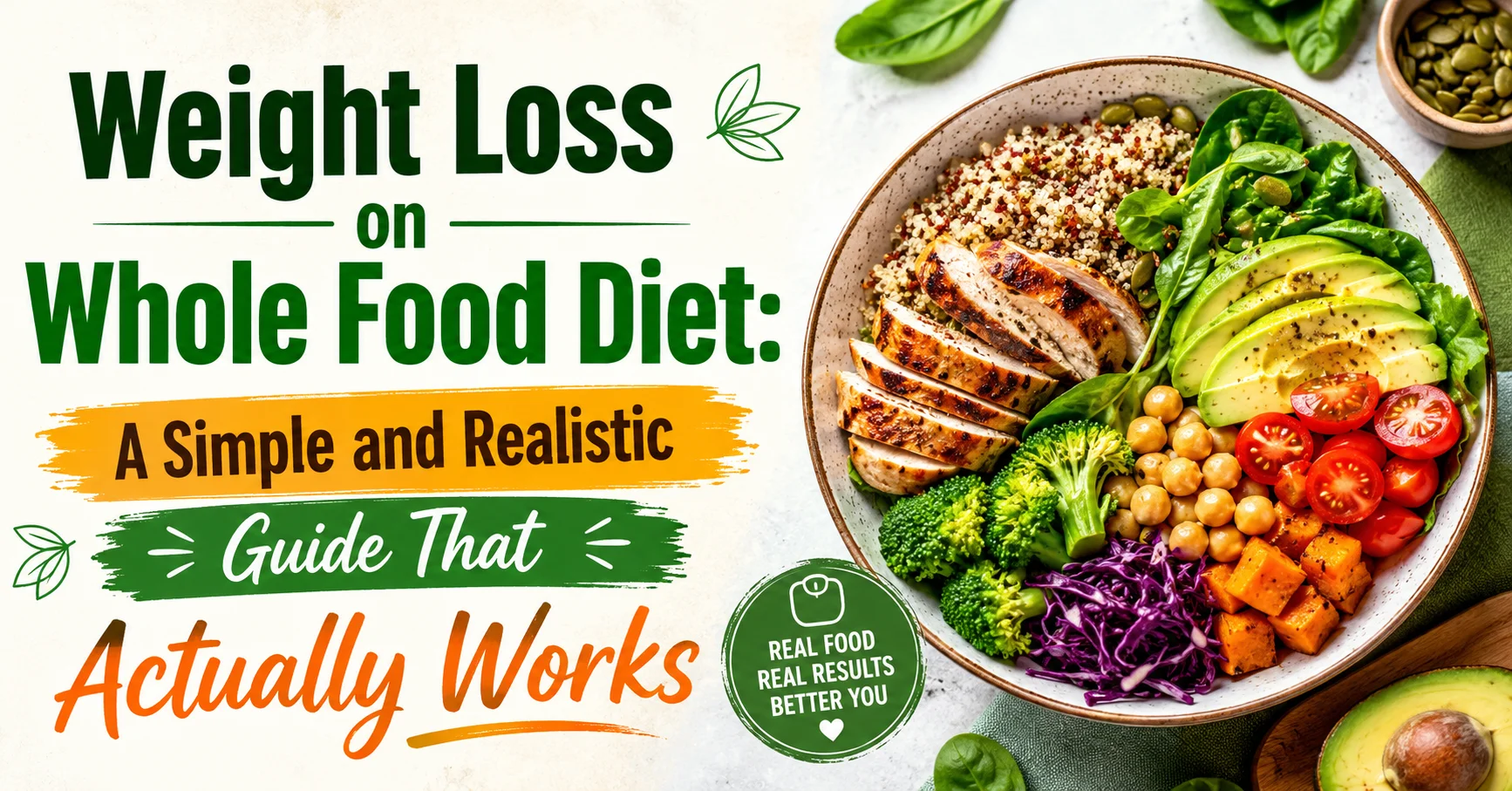
For example, breakfast could include oatmeal with berries and nuts. Lunch might be grilled chicken with rice and vegetables. Dinner could be salmon, potatoes, and salad.
Simple meals reduce stress and save time. They also help you avoid unhealthy last-minute choices. Many people fail diets because they make eating too complicated.
A realistic weight loss on whole food diet plan should fit into busy daily life. If meals are too hard to prepare, most people will not stick with them for long.
The Truth About Calories and Portion Sizes
Calories still matter during weight loss. Even healthy foods can cause weight gain if portions become too large. However, whole foods make portion control easier because they are more filling.
For example, it is easier to overeat cookies than boiled potatoes. Potatoes contain fiber and water, so your stomach feels full faster. Processed snacks often do the opposite.
You do not need to obsess over every calorie. Many people lose weight simply by replacing processed foods with real foods. Still, portion awareness can help if progress slows down.
Eating slowly is another helpful habit. Your brain needs time to recognize fullness. People who eat quickly often consume more food before realizing they are satisfied.
One helpful tip for weight loss on whole food diet success is using smaller plates and bowls. This simple trick can help reduce overeating without making meals feel tiny.
Why Fiber Is So Important
Fiber is one of the biggest reasons whole food diets support weight loss. Fiber slows digestion and helps you stay full longer after meals.
Foods rich in fiber include vegetables, fruit, beans, oats, lentils, nuts, and seeds. These foods take up space in your stomach and help control hunger naturally.
Many processed foods lose most of their fiber during manufacturing. White bread, sugary cereal, and fast food often leave people hungry soon after eating.
Fiber also supports digestion and gut health. Many people notice fewer stomach problems when they increase whole foods. Better digestion can improve comfort and energy during the day.
A good weight loss on whole food diet plan usually includes fiber at every meal. Small daily habits like adding fruit to breakfast or vegetables to dinner can make a huge difference over time.
Real-Life Habits That Make Weight Loss Easier
Weight loss is not only about food choices. Daily habits matter too. Sleep, stress, movement, and routines all affect your progress.
Poor sleep increases hunger hormones. This can lead to stronger cravings for sugary foods. Many people notice better appetite control after improving their sleep schedule.
Stress eating is another common issue. Busy or emotional days can trigger overeating. Finding healthier coping tools helps a lot. Walking, journaling, deep breathing, or calling a friend can reduce stress without using food.
Regular movement also supports healthy weight loss. You do not need extreme workouts. Walking, cycling, swimming, or home workouts can all help.
The people who succeed with weight loss on whole food diet lifestyles often focus on building routines instead of chasing fast results. Small habits repeated daily usually work better than short-term motivation.
Common Mistakes People Make
One mistake is trying to change everything overnight. Extreme changes can feel exciting at first, but they often become impossible to maintain.
Another mistake is eating too little. Some people skip meals or cut calories too hard. This can increase cravings and slow energy levels. Balanced meals work better for long-term success.
Many people also rely too heavily on “healthy” packaged foods. Protein bars, diet snacks, and low-fat desserts can still contain lots of sugar and additives.
Perfection is another trap. One unhealthy meal does not ruin progress. People often give up after small mistakes because they think the diet is already ruined.
Healthy eating should feel sustainable. A strong weight loss on whole food diet routine leaves room for birthdays, holidays, and favorite foods in moderation.
A Simple 1-Day Whole Food Meal Example
A simple meal plan can help you understand what whole food eating looks like in real life. Breakfast could include scrambled eggs with spinach and whole grain toast. Add fruit on the side for extra fiber.
For lunch, try grilled chicken with brown rice and mixed vegetables. Add olive oil or avocado for healthy fat. This meal keeps you full and provides steady energy.
A healthy snack might include yogurt with berries or apple slices with peanut butter. Snacks should support hunger, not become constant grazing.
Dinner could include baked fish, roasted potatoes, and a large salad. Drink water during the day instead of sugary beverages.
This type of weight loss on whole food diet approach feels simple because it uses normal foods. There are no special powders, pills, or complicated rules.
Can You Eat Out on a Whole Food Diet?
Yes, you can still enjoy restaurants and social events. Healthy eating should fit real life. The goal is balance, not isolation.
When eating out, focus on simple meals with protein and vegetables. Grilled chicken, rice bowls, salads, fish, or soup are often good choices. Try limiting fried foods and sugary drinks most of the time.
Portion sizes at restaurants are often very large. Sharing meals or saving leftovers can help. Eating slowly also makes it easier to notice fullness.
Social events matter too. Food is part of celebrations and family traditions. Enjoying treats occasionally is completely normal.
People who maintain weight loss on whole food diet habits long term usually avoid strict all-or-nothing thinking. Flexibility often leads to better consistency.
How Long Does It Take to See Results?
Results depend on many factors like age, activity level, sleep, and starting weight. Some people notice better energy and digestion within days. Weight changes may take several weeks.
Healthy weight loss is usually slow and steady. Losing one to two pounds per week is realistic for many people. Fast weight loss often leads to muscle loss and rebound weight gain later.
Focus on more than the scale. Better sleep, reduced cravings, improved mood, and looser clothing are all signs of progress too.
Consistency matters more than perfection. Small healthy choices repeated daily create real change over time.
Many people discover that weight loss on whole food diet plans feel easier to maintain because they do not rely on extreme restrictions.
FAQs About Weight Loss on Whole Food Diet
Is a whole food diet expensive?
It does not have to be. Beans, oats, rice, potatoes, eggs, and frozen vegetables are affordable options. Cooking at home also saves money compared to fast food and takeout meals.
Can I eat carbs on a whole food diet?
Yes. Whole food carbs like oats, potatoes, fruit, and brown rice can support healthy weight loss. Portion balance matters more than avoiding all carbs.
Do I need to count calories?
Not always. Many people lose weight naturally when they focus on whole foods. However, portion awareness can still help if progress slows down.
Can vegetarians follow this diet?
Absolutely. Beans, lentils, tofu, nuts, seeds, yogurt, and eggs provide protein and nutrients for vegetarian meal plans.
What drinks are best for weight loss?
Water is the best choice for most people. Unsweetened tea and black coffee can also fit into a healthy eating plan.
Is cheat day eating okay?
Occasional treats are normal. The key is returning to healthy habits afterward instead of turning one meal into several unhealthy days.
Final Thoughts
Healthy weight loss does not need to feel miserable. You do not need extreme rules or expensive diet products to see progress. Simple habits often work best.
Choosing more real food can improve hunger, energy, digestion, and overall health. Whole foods support your body instead of fighting against it. They help create a lifestyle that feels realistic and sustainable.
The best part about weight loss on whole food diet habits is flexibility. You can enjoy normal meals, family dinners, and favorite foods while still making progress. Healthy eating should support your life, not control it.
Start small if needed. Add vegetables to one meal today. Drink more water tomorrow. Cook one simple homemade dinner this week. Small steps matter more than perfect plans.
