

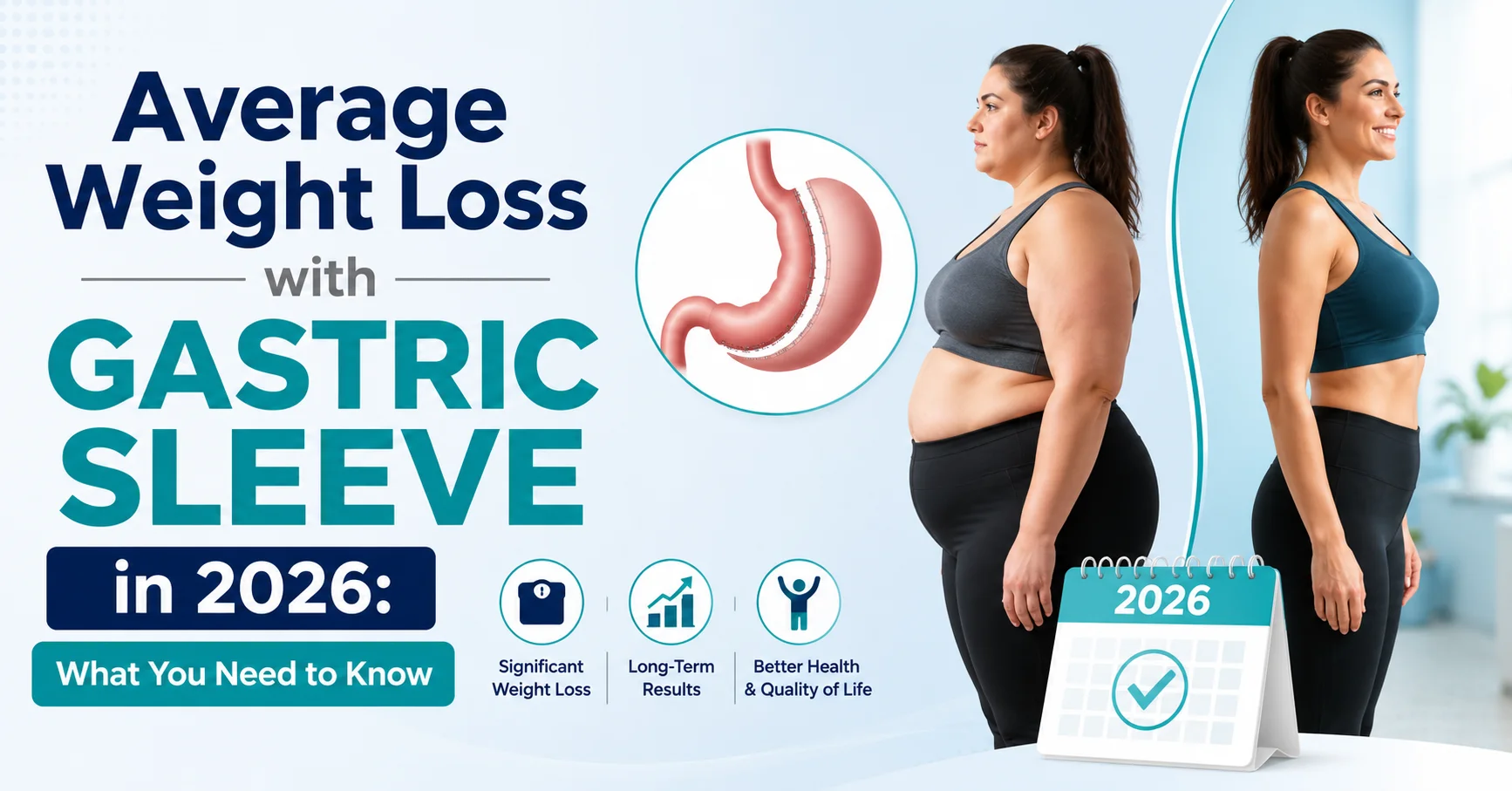
If you are thinking about gastric sleeve surgery, one of the first questions you probably have is: how much weight will I actually lose? That is a fair and important question. In this guide, we break down the average weight loss with gastric sleeve in clear, simple terms. No confusing medical jargon. No vague promises. Just real information that helps you plan your life.
Many patients experience dramatic transformations after gastric sleeve surgery. Results vary by individual lifestyle, diet, and starting weight.
60–70%Average excess weight lost in 12–18 months
25–35%Total body weight loss in Year 1
2–4 lbsAverage loss per week early on
5+ yearsLong-term results with good habits
What Is the Gastric Sleeve, and How Does It Work?
The gastric sleeve — also called sleeve gastrectomy — is one of the most popular weight loss surgeries in the world today. During the procedure, a surgeon removes about 75–80% of your stomach. What is left behind looks like a small, banana-shaped tube or sleeve. This smaller stomach holds much less food, which means you feel full much faster than before. The surgery also removes the part of the stomach that produces a hunger hormone called ghrelin. Less ghrelin means fewer hunger cravings. This is a big reason why people lose weight faster after the surgery.
Unlike the gastric bypass, the gastric sleeve does not reroute your intestines. It is a simpler procedure with fewer long-term nutritional risks. Most patients go home from the hospital within one to two days. Recovery is usually about 3–5 weeks before returning to light work. The average weight loss with gastric sleeve starts showing up in the very first week, which gives most patients a powerful motivational boost right from the start.
How Much Weight Can You Expect to Lose Month by Month?
One of the most common questions people ask before surgery is: “What will my progress look like?” The answer depends on several things, including your starting weight, your diet after surgery, and how active you are. But there are general patterns most patients follow. Here is a realistic breakdown of what the average weight loss with gastric sleeve looks like over time.
Table 1: Average Monthly Weight Loss Timeline After Gastric Sleeve Surgery
| Time After Surgery | Expected Weight Loss | % of Excess Weight Lost | Key Notes |
|---|---|---|---|
| Week 1–2 | 5–15 lbs | ~5% | Mostly water weight; liquid diet phase |
| Month 1 | 13–20 lbs | 10–15% | Fast loss; body adjusting to new stomach size |
| Month 3 | 30–40 lbs total | 25–35% | Weight loss slows slightly; soft foods introduced |
| Month 6 | 50–70 lbs total | 40–55% | Consistent loss; exercise becoming key |
| Month 12 | 70–100 lbs total | 55–70% | Peak weight loss window; life-changing results |
| Month 18–24 | 80–120 lbs total | 60–80% | Weight stabilizes; maintenance phase begins |
Pro Tip
Do not compare your progress to others. Every body is different. Some people lose weight faster. Some lose it slower. What matters most is your long-term health — not a race to the scale.
What Factors Affect Your Weight Loss After Gastric Sleeve?
Not everyone loses the same amount of weight with gastric sleeve surgery. The average weight loss with gastric sleeve is a helpful guide, but your personal results will depend on many things. Understanding these factors gives you more control over your outcome. It also helps you set realistic goals so you are not disappointed if your journey looks different from someone else’s.
Your starting body weight matters a great deal. People who weigh more at the start tend to lose more total pounds — but they may lose a smaller percentage of their body weight. Your age plays a role too. Younger patients often see faster results because their metabolism is more active. Hormones, sleep quality, stress levels, and even genetics can all speed up or slow down how quickly you reach your goal weight.
Table 2: Key Factors That Influence Gastric Sleeve Weight Loss Results
| Factor | Impact on Weight Loss | What You Can Do |
|---|---|---|
| Starting BMI | High | Discuss realistic targets with your surgeon |
| Age | Moderate | Stay consistent; older metabolism can still respond well |
| Physical activity | Very High | Add 30 min of walking daily as soon as cleared |
| Protein intake | Very High | Aim for 60–80g protein daily after surgery |
| Stress and sleep | Moderate | Prioritize 7–8 hours of sleep; manage stress actively |
| Medical conditions (e.g. diabetes, PCOS) | Moderate–High | Work with your medical team to manage conditions |
| Follow-up care compliance | High | Attend all check-ups and nutritional counseling |
The First Year: Your Most Powerful Weight Loss Window
The first twelve months after gastric sleeve surgery is your golden window. During this time, your body is at its most responsive to change. Your stomach is at its smallest. Your hunger hormones are at their lowest. Your motivation is usually at its highest. This is the period when most patients experience the fastest and most dramatic results. Most doctors agree that the average weight loss with gastric sleeve peaks during this first year.
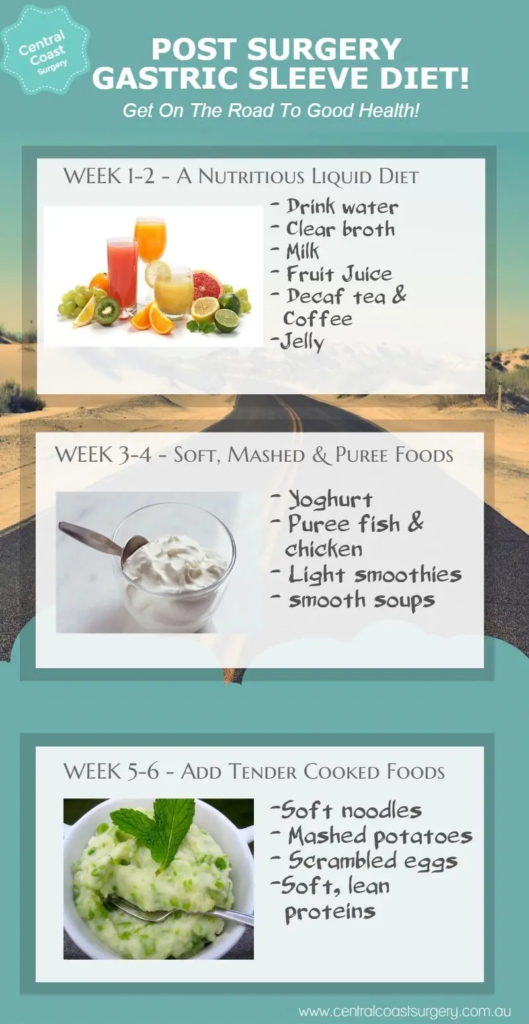
Many patients lose between 2 and 4 pounds per week in the first few months. By month six, the rate slows down a little — usually to about 1–2 pounds per week. By month twelve, most people have lost 60 to 70 percent of their excess weight. This is a huge achievement. For someone who was 100 pounds overweight, that means losing 60 to 70 pounds in just one year. The key is to use this window wisely. Focus on protein-rich foods. Move your body every day. Stay hydrated. Avoid going back to old eating habits.

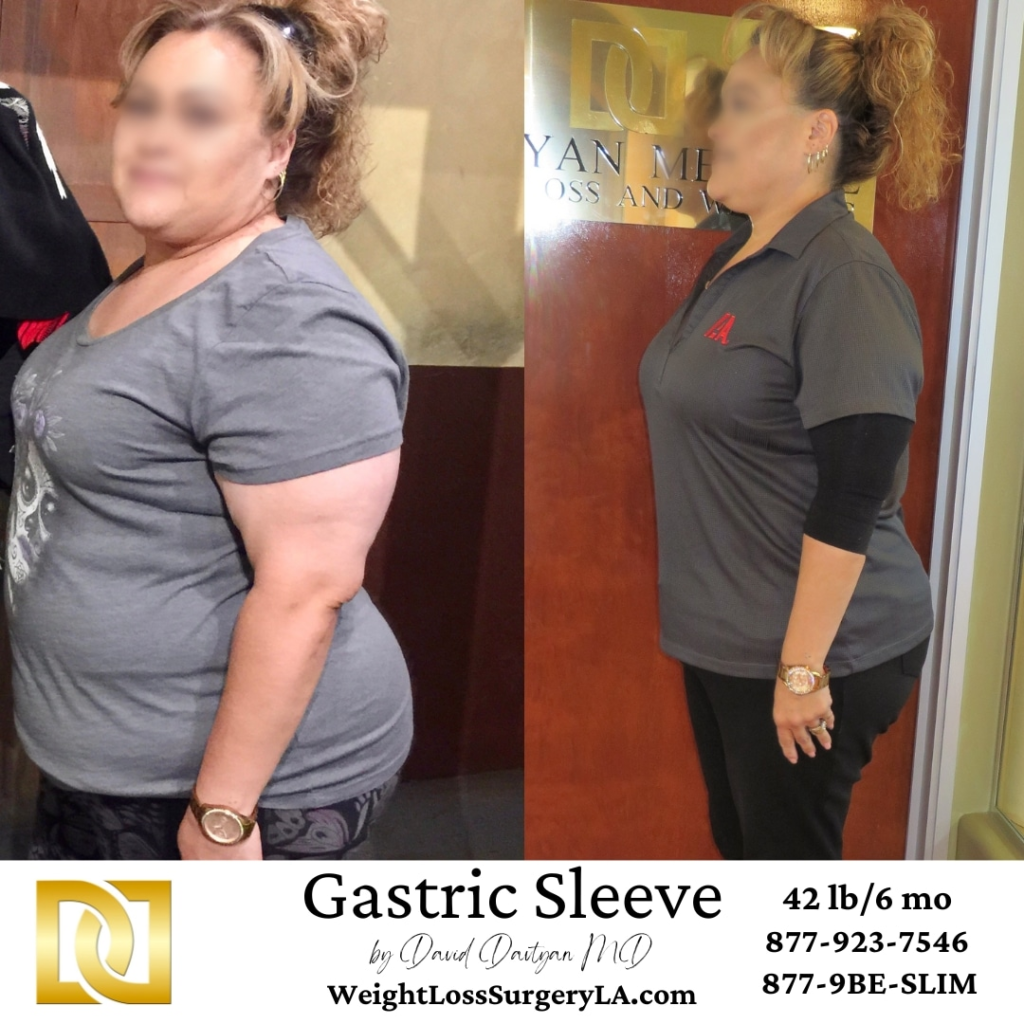
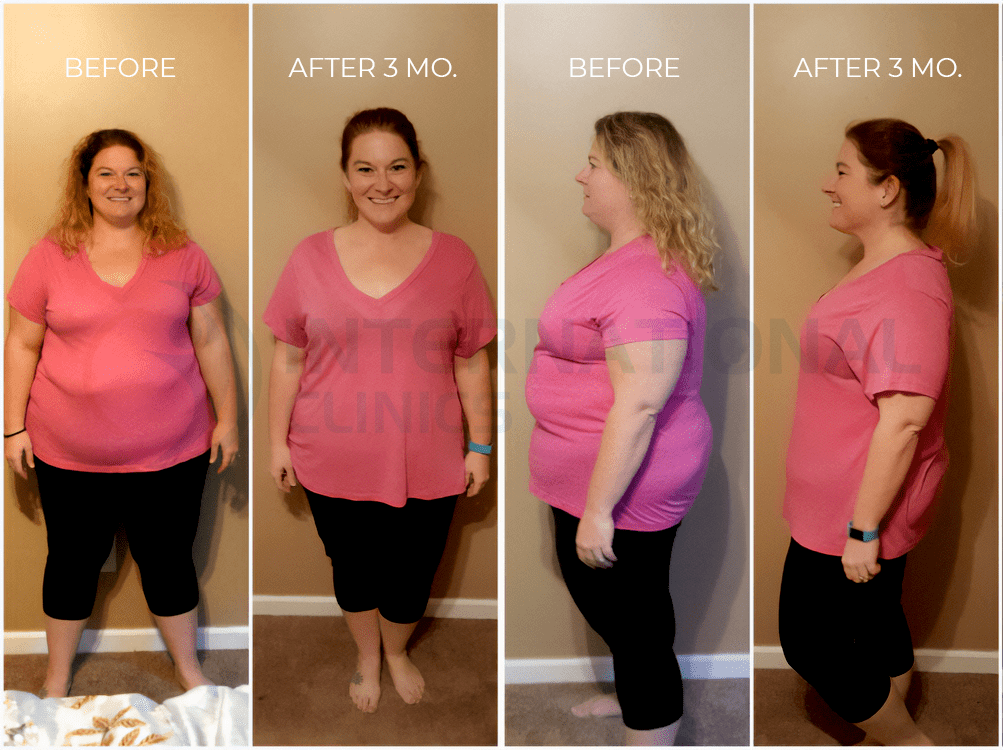
Weight loss progress typically follows a steep early curve that gradually stabilizes. Working with a dietitian helps maintain momentum throughout the year.
A Week-by-Week Look at Early Recovery
W1
Week 1: Liquid Only Phase
Clear liquids only. Rapid weight loss of 5–15 lbs. Rest and hydration are the priority. Some swelling and soreness are normal.
W2
Week 2: Full Liquids
Protein shakes, broth, and smooth soups. Weight loss continues. Energy starts returning slowly.
W4
Week 4: Soft Foods Begin
Yogurt, eggs, soft fish. Most patients are back to light activity. Consistent loss of 2–3 lbs per week in this phase.
W8
Week 8: Regular Foods Return
Most whole foods are back, but in very small portions. Exercise is strongly encouraged. The weight loss rhythm becomes steady.
How Much Excess Weight Should You Expect to Lose Long-Term?
Doctors often measure gastric sleeve success using a term called percent excess weight loss (%EWL). This tells you how much of your extra weight you lost — not just your total body weight. Studies show that the average weight loss with gastric sleeve surgery is about 60 to 70 percent of excess weight within 12 to 18 months. Some high-performing patients reach 80 percent or more. That said, a small number of patients may lose less — sometimes around 40 to 50 percent — if they struggle with diet adherence or lifestyle changes.
Long-term results beyond five years show that most patients keep off around 50 to 60 percent of their excess weight if they maintain healthy habits. Studies from 2024 and 2025 show that people who attend regular follow-up appointments, take their vitamins, exercise consistently, and eat a high-protein diet maintain their results far better than those who do not. So the surgery is only the beginning of the journey — your habits carry you the rest of the way.
What Should You Eat After Gastric Sleeve Surgery?
Food choices after surgery are the single biggest factor you can control. The average weight loss with gastric sleeve is heavily influenced by what you eat every single day. After surgery, your stomach can only hold about half a cup to one cup of food at a time. This means every bite needs to count. Empty calories — like chips, cookies, sugary drinks, or white bread — take up space that should be filled with protein and nutrients.
Protein is your best friend after surgery. It helps preserve muscle mass while you lose fat. It also keeps you feeling full longer. Aim for at least 60 to 80 grams of protein per day in the first year. Lean meats, eggs, Greek yogurt, cottage cheese, fish, and tofu are all excellent sources. Avoid drinking liquids with meals — this pushes food through your sleeve too fast and can cause nausea or reduce fullness. Sip water slowly between meals throughout the day.
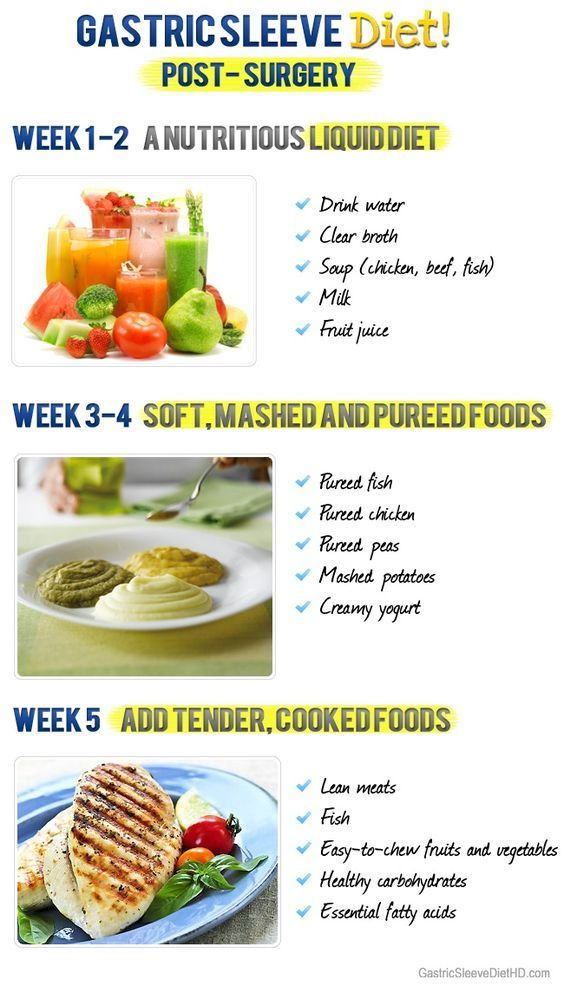

A high-protein, low-carb diet is the foundation of long-term success after gastric sleeve surgery. Work with a registered dietitian to build a plan that fits your life.
Table 3: Best and Worst Food Choices After Gastric Sleeve Surgery
| Category | Best Choices ✅ | Avoid ❌ |
|---|---|---|
| Protein | Chicken, fish, eggs, Greek yogurt, tofu | Fried meats, processed deli meats |
| Vegetables | Steamed broccoli, spinach, zucchini, carrots | Starchy veggies like corn, potatoes (in excess) |
| Carbohydrates | Quinoa, brown rice (small amounts), oats | White bread, pasta, sugary cereals |
| Dairy | Low-fat cottage cheese, skim milk, string cheese | Ice cream, cream-based sauces, full-fat cheese |
| Drinks | Water, herbal tea, protein shakes | Soda, juice, alcohol, energy drinks |
| Snacks | Hummus with veggies, almonds, hard-boiled egg | Chips, crackers, candy, cookies |
Exercise and Activity: The Secret Weapon for Better Results
Diet does the heavy lifting — but exercise adds rocket fuel to your results. Research consistently shows that patients who exercise regularly after gastric sleeve surgery lose significantly more weight than those who do not. The average weight loss with gastric sleeve improves by 10 to 20 percent in people who follow a regular movement routine compared to those who remain sedentary. And the benefits go beyond the scale. Exercise builds muscle, boosts energy, improves mood, and reduces the risk of weight regain.
You do not need to run marathons. Start simple. In the first few weeks, a gentle 10–15 minute walk each day is perfect. By month two, aim for 30 minutes of moderate activity most days. Good options include walking, swimming, cycling, yoga, and light strength training. As your body gets stronger, gradually increase intensity. By month six, many patients are working out four to five times a week. Even simple habits — taking the stairs, parking farther away, doing housework more vigorously — all add up over time.
What Happens When Weight Loss Slows or Stalls?
Almost every gastric sleeve patient experiences a weight loss plateau at some point. This is completely normal and nothing to panic about. A plateau is when your weight stops dropping for two to four weeks even though you are doing everything right. It is frustrating — but it is your body adapting. The most common reason for a plateau is that your body has adjusted to your new calorie intake and needs a change to get moving again.
When this happens, try mixing up your exercise routine. If you have only been walking, try adding some strength training. Increase your water intake. Check your protein to make sure you are hitting your daily goal. Sometimes people unknowingly start eating more snacks or drinking their calories without realizing it. A quick food journal check for a few days can reveal hidden culprits. Talk to your bariatric dietitian if the stall lasts longer than a month. Most plateaus break within a few weeks when you adjust your routine.
Emotional and Psychological Changes After Gastric Sleeve
Weight loss surgery changes more than just your body. It changes how you feel, how you see yourself, and how you relate to food. Many patients describe their emotional experience after gastric sleeve surgery as a rollercoaster. The first few months often bring incredible joy and excitement as the pounds drop fast. But after the initial rush, some people experience mood dips, identity challenges, or even grief about losing food as a coping mechanism.
This is more common than most people talk about — and it is completely valid. Food is tied to emotions, culture, and social life. After surgery, eating out feels different. Family dinners change. Special occasions look different on a small stomach. Many bariatric programs now include mandatory psychological support before and after surgery — and for good reason. Patients who attend support groups or work with a therapist tend to maintain their average weight loss with gastric sleeve much better in the long run. You are not just losing weight. You are building a new relationship with your body and your life.
Gastric Sleeve vs. Other Bariatric Options: How Does It Compare?
You may be wondering how gastric sleeve surgery stacks up against other weight loss surgeries. It is a reasonable question. The most common comparison is gastric sleeve vs. gastric bypass. Both are highly effective — but they work differently and suit different patients. The gastric sleeve removes part of the stomach and relies on restriction plus hormone changes. The gastric bypass also reroutes the intestines, which often produces slightly faster results and better outcomes for type 2 diabetes — but it comes with a more complex recovery and higher nutritional risk.
Table 4: Gastric Sleeve vs. Gastric Bypass — Key Comparisons (2026)
| Feature | Gastric Sleeve | Gastric Bypass | Lap-Band |
|---|---|---|---|
| Average %EWL at 1 year | 60–70% | 70–80% | 40–50% |
| Surgery complexity | Moderate | Higher | Low |
| Hospital stay | 1–2 days | 2–3 days | Same day |
| Nutritional risks | Low–Moderate | Moderate–High | Low |
| Reversible? | No | Rarely | Yes |
| Hunger reduction | Strong (ghrelin) | Strong | Mild |
| Best for | Most obese patients | Diabetes, severe obesity | Lower BMI patients |
Overall, the gastric sleeve remains one of the best all-around options for most patients. It offers strong results, a reasonable recovery time, and fewer nutritional complications than bypass. It is the most commonly performed bariatric surgery in the United States for good reason.
Tips to Maximize Your Average Weight Loss with Gastric Sleeve
Surgery gives you a powerful head start — but your daily choices determine how far you go. Here are the habits that make the biggest difference for long-term success after a gastric sleeve procedure.
High-protein dietDaily hydrationVitamin supplementsMindful eatingRegular check-upsSupport groupsConsistent exerciseNo liquid calories
1. Eat protein first at every meal. Always put protein on your plate before anything else. Your stomach is small. Fill it with what your body needs most. Try to get 20–30 grams of protein per meal. This single habit alone has a huge impact on your overall results.
2. Take your vitamins every single day. After surgery, your body absorbs nutrients differently. Most patients need a bariatric multivitamin, calcium, vitamin B12, vitamin D, and iron. Skipping vitamins leads to deficiencies that cause fatigue, hair loss, and bone problems over time.
3. Track what you eat. Use a food tracking app — even just for the first year. It keeps you honest and helps you catch habits that might be creeping back in. Many patients are surprised to discover how small changes in their eating habits add up quickly.
4. Show up to every follow-up appointment. Your bariatric team is your safety net. They track your labs, monitor your nutrition, and adjust your plan as needed. Patients who attend follow-up appointments consistently have much better long-term outcomes.
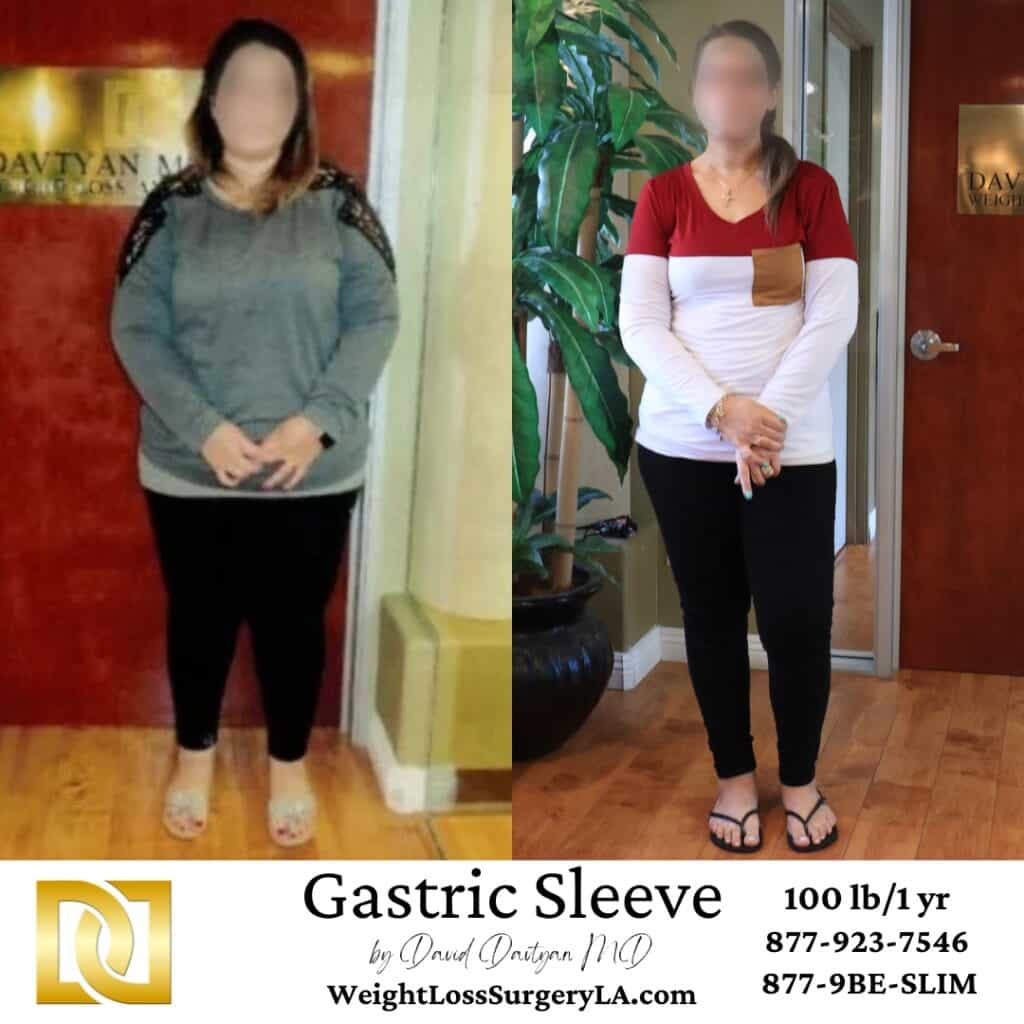
Long-term success after gastric sleeve surgery depends on building sustainable habits — daily movement, nutrient-rich eating, and consistent follow-up care.
Frequently Asked Questions About Gastric Sleeve Weight Loss
How much weight can I realistically expect to lose with gastric sleeve surgery? ▾
Most patients lose between 60 and 70 percent of their excess body weight within 12 to 18 months of surgery. For example, if you are 100 pounds overweight, you could realistically expect to lose 60 to 70 pounds in your first year. Some patients do better — reaching 80 percent or more — while others may fall closer to 50 percent. Your actual results depend heavily on your diet, activity level, medical history, and commitment to follow-up care. The average weight loss with gastric sleeve is impressive, but long-term success is about lifestyle, not just surgery.
How fast do you lose weight in the first month after gastric sleeve? ▾
The first month is typically the fastest period of weight loss. Most patients lose between 13 and 20 pounds in the first 30 days after surgery. The first week often brings the biggest drop — sometimes 5 to 15 pounds — but much of this is water weight from the liquid diet and surgical swelling. As you move into weeks 2 and 3, fat loss begins in earnest. While the pace excites most patients, it is important not to set unrealistic expectations for this rate to continue indefinitely. The body naturally slows down as you get lighter.
Will I gain weight back after gastric sleeve surgery? ▾
Some weight regain is common after any bariatric surgery — including gastric sleeve. On average, patients may regain about 10 to 15 percent of their lost weight after the 5-year mark. However, this is not inevitable. Patients who follow their nutrition plan, exercise regularly, attend follow-up appointments, and manage stress tend to keep the weight off far better. The gastric sleeve does stretch slightly over time, allowing a bit more food — this is why building long-term eating habits matters more than the surgery itself.
Is gastric sleeve better than gastric bypass for weight loss? ▾
Both procedures are effective, but they work differently and suit different patients. Gastric bypass tends to produce slightly higher weight loss — around 70 to 80 percent of excess weight — compared to 60 to 70 percent for gastric sleeve. Bypass also has stronger effects on type 2 diabetes. However, gastric sleeve is simpler, has fewer nutritional complications, and carries a lower risk of “dumping syndrome.” For most patients who do not have severe diabetes, the gastric sleeve delivers excellent results with a more straightforward recovery. Your surgeon is the best person to guide which option is right for your specific health situation.
What vitamins do I need to take after gastric sleeve surgery? ▾
After gastric sleeve surgery, your stomach is smaller and absorbs fewer nutrients from food. Most bariatric programs recommend taking a chewable or liquid bariatric multivitamin daily, along with calcium citrate (1200–1500 mg/day taken in split doses), vitamin B12, vitamin D3, and iron (especially for women). Your doctor will monitor your blood levels at regular intervals and may adjust your supplement protocol based on lab results. Never skip your vitamins — nutritional deficiencies after surgery can cause serious problems including anemia, bone loss, and neurological issues.
How long does it take to reach your goal weight after gastric sleeve? ▾
Most patients reach their lowest weight — often called “nadir” — somewhere between 12 and 18 months after surgery. Some patients continue to lose slowly until the 24-month mark. After that, the body typically stabilizes. Whether you reach your personal goal weight depends on your starting point, your goal, and how well you maintain your habits. Some patients with very high starting BMIs may not reach a “normal” BMI but still see enormous improvements in health, energy, and quality of life. Success is not just about hitting a number on the scale — it is about transforming your overall health.
Your Weight Loss Journey Starts With One Decision
The average weight loss with gastric sleeve surgery is genuinely life-changing for most patients. Losing 60 to 70 percent of excess weight in a year can reduce or eliminate diabetes, sleep apnea, joint pain, and heart disease risk. But the surgery is a tool — not a magic fix. The patients who do best are the ones who commit to building healthier habits every single day.
If you are considering gastric sleeve surgery in 2026, talk to a board-certified bariatric surgeon. Ask questions. Review your options. Get the full picture. You deserve to make this decision from a place of knowledge, confidence, and hope.Talk to a Bariatric Specialist Today →
