

Introduction
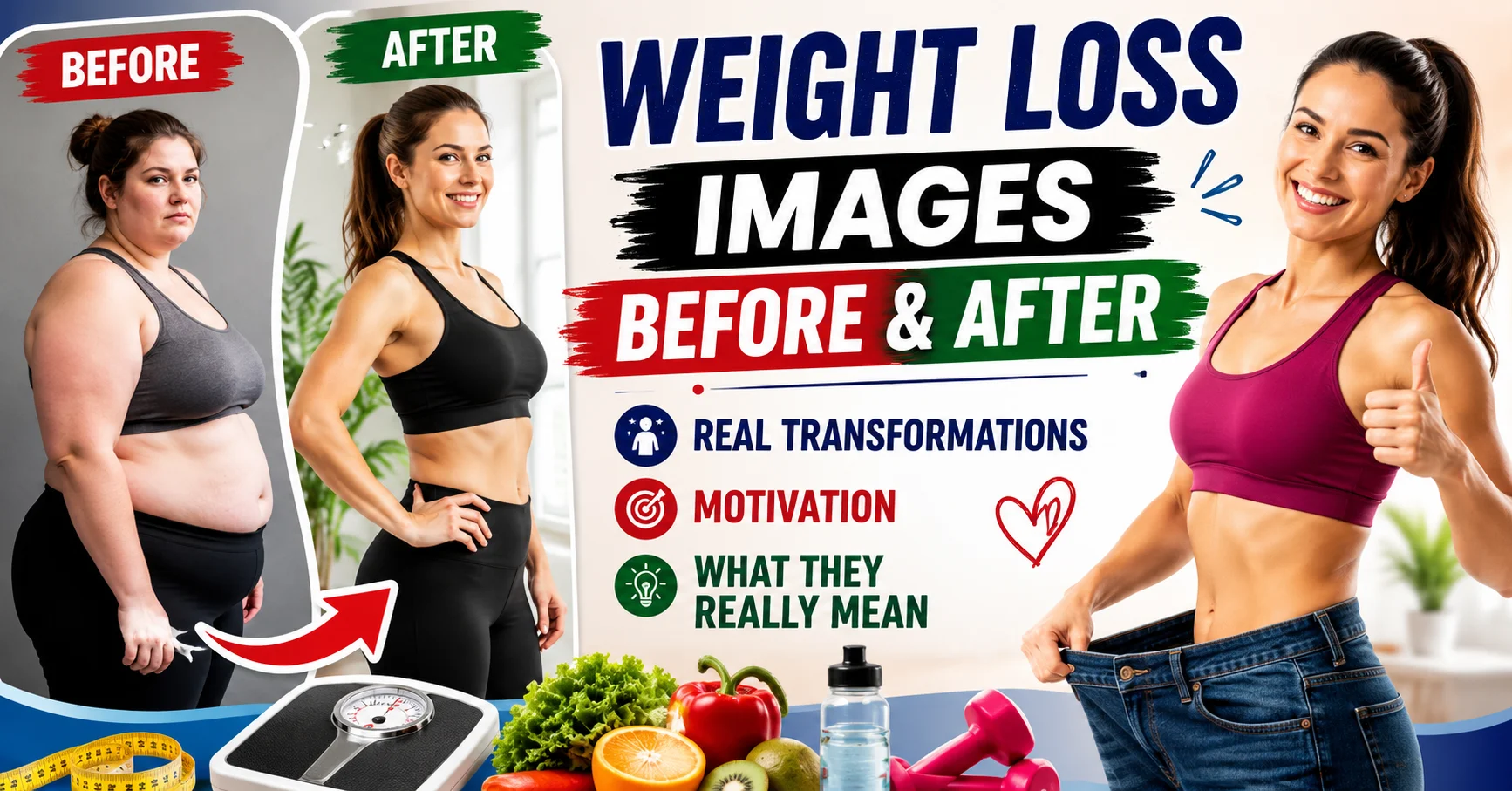
Weight loss journeys inspire millions of people around the world. One of the most powerful tools for motivation is viewing weight loss images before and after a transformation. These photos provide visual proof that consistent habits can lead to meaningful results over time.
Whether someone wants to lose a few pounds or completely change their lifestyle, transformation pictures often create hope and encouragement. They show what can happen when healthy eating, regular exercise, and patience work together.
However, before-and-after photos should be viewed with a balanced mindset. While they can motivate people, they do not always tell the full story behind a person’s journey. Factors such as time, effort, health conditions, and individual body differences all play important roles.
This guide explores the value of weight loss transformation photos, how they inspire change, common misconceptions, advertising policies, cartoon illustrations, and tips for creating your own progress images.
Why Weight Loss Transformation Photos Matter
People connect strongly with visual evidence. Reading about weight loss success is helpful, but seeing actual results often creates a stronger emotional impact.
Transformation photos can:
- Increase motivation
- Build confidence
- Show realistic progress
- Encourage healthy habits
- Provide long-term goals
Many people save transformation images on their phones or create vision boards to remind themselves why they started their fitness journey.
The popularity of before and after images weight loss content continues to grow because people enjoy seeing proof of achievable results rather than relying only on promises or advertisements.
Table 1: Common Benefits of Before and After Weight Loss Photos
| Benefit | Description |
|---|---|
| Motivation | Encourages people to stay committed |
| Progress Tracking | Helps measure physical changes |
| Confidence Building | Shows how far someone has come |
| Goal Setting | Creates realistic expectations |
| Accountability | Motivates consistency |
| Inspiration | Encourages others to start |
The Psychology Behind Before and After Images
Human brains process images faster than text. When someone sees a transformation photo, they quickly recognize change and improvement.
This psychological response often triggers positive emotions. A person may think:
- “If they can do it, maybe I can too.”
- “My goals seem possible.”
- “Small steps can lead to big results.”
These emotional reactions explain why before and after images of weight loss remain among the most shared fitness-related content online.
Many fitness coaches use progress photos because visual evidence can be more encouraging than scale numbers alone.
What Makes a Good Weight Loss Progress Photo?
A useful progress photo should accurately represent the journey rather than exaggerate results.
Several factors improve photo quality:
Consistent Lighting
Using the same lighting conditions helps show true progress.
Similar Clothing
Wearing similar outfits creates fair comparisons.
Same Camera Angle
Different angles can dramatically change appearance.
Regular Intervals
Monthly photos often reveal gradual changes more clearly than daily photos.
Honest Representation
Authentic images build trust and provide realistic expectations.
When photos are taken consistently, they become valuable tools for tracking progress and celebrating milestones.
Understanding Realistic Weight Loss Expectations
One mistake many people make is expecting instant results after viewing transformation photos.
Most impressive before-and-after results happen over months or even years. Healthy weight loss generally occurs gradually.
Factors affecting results include:
- Age
- Genetics
- Activity level
- Diet quality
- Sleep habits
- Stress management
- Medical conditions
Real transformation comes from sustainable habits rather than quick fixes.
When viewing weight loss images before and after, it is important to remember that every body responds differently.
Common Misconceptions About Transformation Photos
Transformation images can sometimes create unrealistic expectations.
Misconception 1: Results Happen Quickly
Many viral transformations represent six months, one year, or longer.
Misconception 2: Everyone Will Get Identical Results
Bodies respond differently to exercise and nutrition plans.
Misconception 3: Weight Loss Solves Every Problem
Physical changes can improve confidence, but overall well-being involves many factors.
Misconception 4: Photos Tell the Entire Story
Photos rarely show struggles, setbacks, injuries, or emotional challenges.
Understanding these realities helps people maintain healthier expectations.
How Social Media Changed Weight Loss Inspiration
Social media platforms have transformed how people share fitness journeys.
Today, millions of users upload:
- Weekly progress updates
- Transformation collages
- Workout routines
- Nutrition tips
- Success stories
This increased visibility has created supportive communities where people encourage one another.
At the same time, users should remain cautious because some photos may use editing, filters, or misleading angles.
Authenticity matters when evaluating online transformation content.
Facebook Ads Policy Before and After Images Weight Loss
Advertising platforms often regulate transformation images.
The facebook ads policy before and after images weight loss guidelines exist to protect users from misleading claims and negative self-image messaging.
Historically, Facebook has restricted certain before-and-after body transformation ads because they may:
- Create unrealistic expectations
- Promote unhealthy body standards
- Focus excessively on physical appearance
- Use sensational claims
Advertisers must follow platform policies and avoid making exaggerated promises regarding fitness or weight loss results.
Businesses should always review current advertising guidelines before creating promotional campaigns.
Using Progress Photos for Personal Motivation
Many people discover that taking personal progress photos becomes more valuable than comparing themselves with others.
Benefits include:
- Tracking body changes
- Recognizing small improvements
- Maintaining consistency
- Celebrating achievements
Sometimes the scale may not change significantly, but photos reveal improved posture, muscle definition, and body composition.
Personal progress images provide a more accurate picture of overall transformation.
Weight Loss and Non-Scale Victories
Successful weight loss is not measured only by pounds lost.
Many meaningful achievements occur during the journey.
Examples include:
- Better sleep quality
- Increased energy
- Improved mobility
- Lower stress levels
- Better cardiovascular health
- Increased confidence
Transformation photos capture only part of the story.
The real victory often involves developing healthier habits that improve daily life.
Table 2: Scale Victories vs Non-Scale Victories
| Scale Victories | Non-Scale Victories |
|---|---|
| Weight reduction | Better sleep |
| Lower BMI | More energy |
| Reduced waist size | Improved confidence |
| Fat loss | Stronger muscles |
| Healthier measurements | Better endurance |
| Clothing size changes | Enhanced mobility |
Before and After Weight Loss Cartoon Images
Not every transformation illustration uses real photographs.
Many websites and educational resources use before and after weight loss cartoon images to explain fitness concepts visually.
Cartoon-style illustrations can help:
- Simplify educational content
- Protect privacy
- Present body composition changes
- Support fitness presentations
- Create engaging health materials
These graphics are especially popular in blogs, school projects, healthcare materials, and fitness infographics.
Because they are illustrations, they avoid some of the concerns associated with real transformation photography.
How to Create Your Own Before and After Photo Collection
Creating a personal transformation record is simple.
Follow these steps:
- Choose a fixed location.
- Use consistent lighting.
- Wear similar clothing.
- Take front, side, and back views.
- Photograph monthly.
- Save images in chronological order.
- Track additional measurements.
Over time, these photos become a visual journal of your progress.
Many people are surprised by changes they do not notice in daily life.
Healthy Habits Behind Successful Transformations
Most lasting transformations share several common habits.
Balanced Nutrition
Eating nutrient-rich foods supports long-term health.
Regular Exercise
Combining strength training and cardio often produces the best results.
Consistent Sleep
Quality sleep helps recovery and hormone regulation.
Hydration
Proper hydration supports overall body function.
Patience
Sustainable results require time and consistency.
People who maintain healthy habits usually achieve more lasting outcomes than those following extreme approaches.
Why Comparing Yourself to Others Can Be Harmful
While transformation photos inspire many people, comparison can become unhealthy.
Every individual has different:
- Genetics
- Starting points
- Goals
- Health conditions
- Lifestyle demands
Instead of comparing yourself to someone else’s journey, focus on personal improvement.
The most meaningful comparison is between where you started and where you are today.
Progress becomes more rewarding when measured against your own goals.
The Future of Weight Loss Transformation Content
Technology continues to change how people document health journeys.
New trends include:
- AI-powered progress tracking
- Body measurement apps
- Virtual coaching
- Interactive fitness journals
- Digital transformation timelines
Despite technological advances, the core purpose remains the same: helping people visualize progress and stay motivated.
The demand for weight loss images before and after content will likely continue because visual storytelling remains a powerful source of inspiration.
Frequently Asked Questions
1. Are weight loss before and after photos reliable?
They can be helpful, but they do not always tell the complete story. Results vary from person to person.
2. How often should I take progress photos?
Most experts recommend taking photos every four weeks for meaningful comparisons.
3. Why do photos show progress when the scale doesn’t?
Photos often reveal changes in body composition, posture, and muscle tone that the scale cannot measure.
4. Can transformation photos improve motivation?
Yes. Many people find visual evidence of progress highly motivating and encouraging.
5. Are before and after weight loss cartoon images useful?
Yes. They help explain concepts visually while protecting privacy and simplifying educational content.
6. Does Facebook allow weight loss transformation ads?
Facebook has policies regarding body transformation advertising. Advertisers should review current platform guidelines before running campaigns.
Conclusion
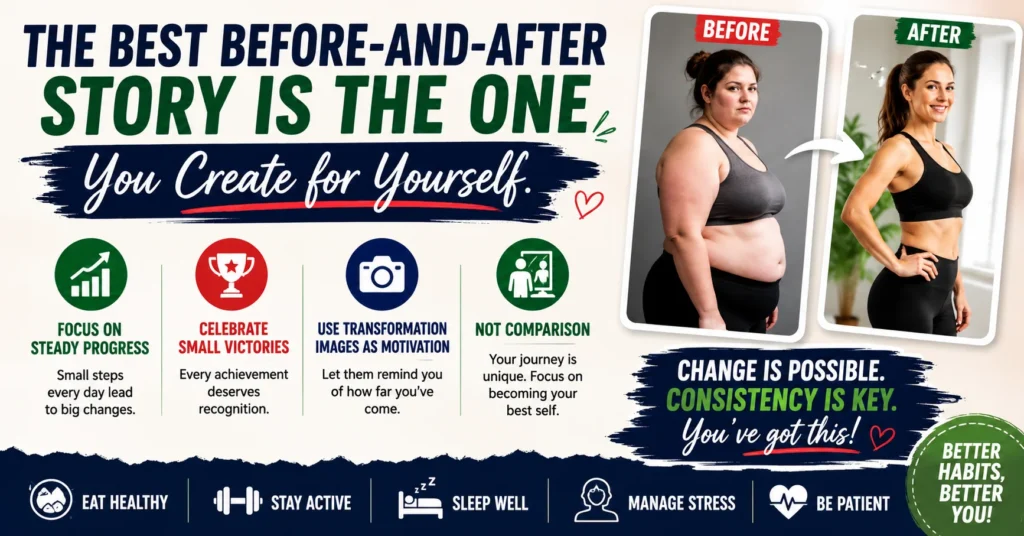
The popularity of weight loss images before and after transformations continues because they provide visual proof that change is possible. These photos inspire people, track progress, and celebrate achievements that may otherwise go unnoticed.
However, it is important to view transformation images with realistic expectations. Every weight loss journey is unique, and meaningful results require consistency, patience, and healthy habits.
Whether you are looking at before and after images weight loss success stories, reviewing before and after images of weight loss, learning about facebook ads policy before and after images weight loss, or exploring before and after weight loss cartoon images, remember that the true value lies in the journey itself.
Focus on steady progress, celebrate small victories, and use transformation images as motivation—not comparison. The best before-and-after story is the one you create for yourself.
