

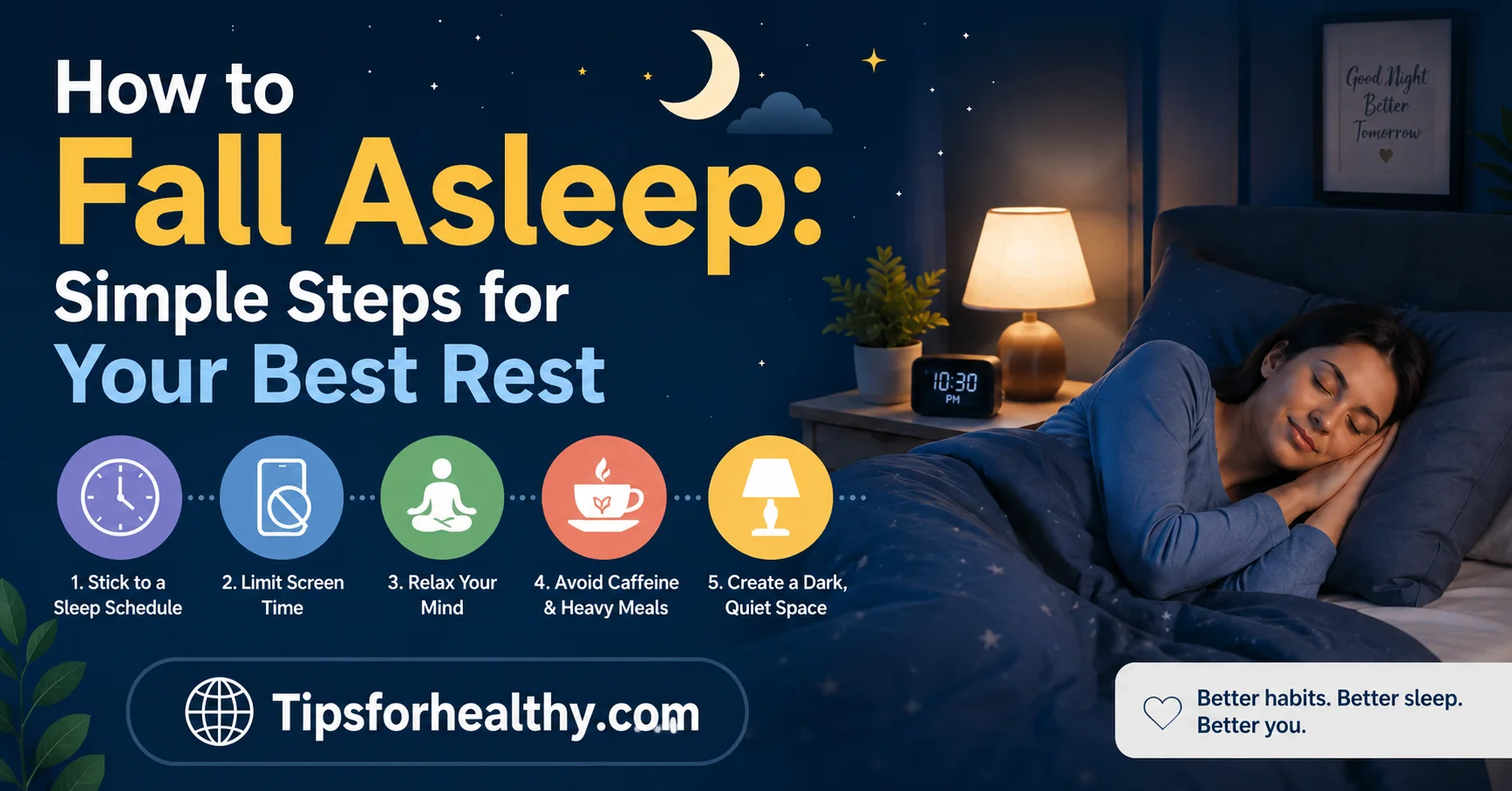
Do you often stare at the ceiling, waiting for sleep to arrive? You are not alone. Many people struggle to quiet their minds after a long, busy day. Learning how to fall asleep is like learning a new skill. It takes practice, patience, and a few smart habits. By changing how you prepare your body for bed, you can drift off much faster. This guide will show you simple, science-backed ways to improve your nights. We will look at how your environment, your routine, and your thoughts all play a big role in getting the rest you deserve.
1. Master Your Internal Clock
Your body has a built-in timer called a circadian rhythm. It tells you when to be awake and when to feel sleepy. To learn how to fall asleep easily, you must help this clock stay on track. Try to wake up and go to bed at the same time every single day. Even on the weekends, keep this schedule as steady as you can. This consistency teaches your brain when it is time to wind down. If you keep a regular routine, your body will start to feel tired naturally when it is time for bed. Consistency is the foundation of great sleep.
2. Create a Cool Sleep Sanctuary
Your bedroom should be a place where you only focus on resting. Many experts suggest keeping your room cool, dark, and quiet. A temperature between 60 and 67 degrees Fahrenheit is often perfect for most people. Your body needs to cool down slightly to enter deep sleep, so a chilly room helps that process. You can use blackout curtains to block out street lights or sun. If your street is noisy, try a fan or a white noise machine to mask the sounds. Making your room a cozy, calm space makes it much easier to fall asleep.
3. The Power of a Pre-Sleep Routine
Your brain needs a signal that the day is finished. Creating a 30-minute wind-down routine is a fantastic way to prepare for bed. This could be reading a paper book, doing light stretches, or listening to calm music. Avoid high-energy activities like playing intense games or finishing work tasks right before you lay down. Think of your routine like a dimmer switch for your brain. By doing the same relaxing things every night, you tell your body it is safe to let go of the day. A calm mind leads to a restful night.
4. Limit Screens Before Bedtime
In our modern world, we are always looking at phones, tablets, or TVs. These devices emit blue light, which can trick your brain into thinking it is still daytime. This light stops your body from making the sleep hormone called melatonin. If you are wondering how to fall asleep quickly, the answer often involves putting away your electronics. Try to turn off your screens at least an hour before you plan to sleep. Instead of scrolling, try a relaxing hobby. Your eyes and your mind will thank you for the break.
5. Use the 4-7-8 Breathing Technique
Breathing is a powerful tool you can use anytime, anywhere. The 4-7-8 method is a popular way to calm your nervous system. To start, exhale completely through your mouth. Then, close your mouth and inhale quietly through your nose for a count of four. Hold your breath for a count of seven. Finally, exhale slowly through your mouth for eight seconds, making a soft sound. Repeat this cycle three or four times. It helps lower your heart rate and clears away the stress of the day. It is a simple, effective trick to help you fall asleep fast.
6. Eat and Drink With Care
What you put in your body during the day affects how you sleep at night. Caffeine is a stimulant that can stay in your system for many hours. It is best to avoid coffee or soda by the early afternoon. Alcohol might make you feel sleepy at first, but it often leads to restless sleep later in the night. Also, try to finish your last big meal at least three hours before bed. If you get hungry late, a tiny, light snack is usually okay. Being mindful of your intake helps you avoid discomfort that keeps you awake.
7. Try Progressive Muscle Relaxation
Sometimes our bodies hold onto stress without us even noticing. Progressive Muscle Relaxation (PMR) is a great way to let go of that physical tension. You start by tensing your toes for five seconds, then releasing them suddenly. Move up to your calves, thighs, stomach, hands, and finally your face. Notice the feeling of the muscle relaxing after you release the tension. This practice helps you scan your body for hidden tightness. By the time you reach your head, you will likely feel much heavier and more relaxed. It is a wonderful way to prepare your body for deep rest.
8. Get Out of Bed if You Are Awake
If you have been lying in bed for more than 20 minutes and still cannot sleep, do not force it. Staying in bed while feeling frustrated can make your brain associate your bed with being awake. Instead, get up and go to another room. Do something quiet and boring, like reading a dull book or folding laundry under soft light. Only return to your bed when you feel truly sleepy. This simple rule helps keep your bed a place for rest. It prevents your brain from linking your bed to stress or worry.
9. Manage Daytime Naps
Napping can feel great, but long naps during the day can ruin your night. If you feel you need a nap, try to keep it under 30 minutes. Also, aim to nap early in the afternoon rather than late. Taking a long nap near bedtime will make it much harder to fall asleep later. Your body needs to build up a certain amount of “sleep pressure” during the day to feel tired at night. By keeping your naps short, you save that need for sleep for when you are actually in bed.
10. The Magic of Cognitive Shuffling
If you find your mind racing with “to-do” lists, try the cognitive shuffle. This is a mental game to distract your brain from worry. Pick a random word, like “APPLE.” Think of other words that start with the letters in that word—like “Ant,” “Antler,” “Ace.” Do this for each letter in your word. This trick forces your brain to visualize random, unrelated images. It is not stimulating enough to keep you awake, but it is engaging enough to stop you from stressing. It is a very helpful technique to learn how to fall asleep when your thoughts will not stop.
How to Stay Consistent
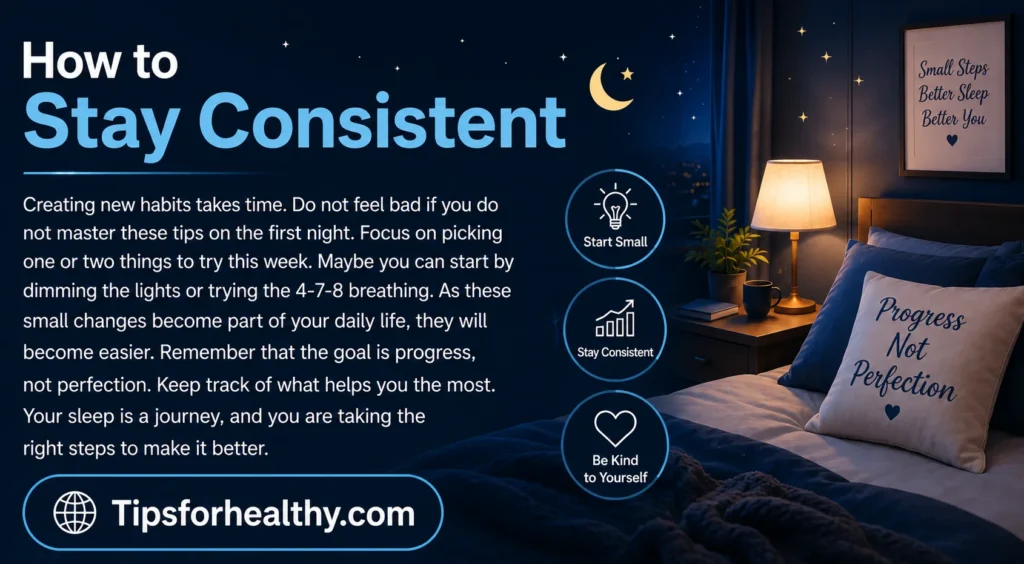
Creating new habits takes time. Do not feel bad if you do not master these tips on the first night. Focus on picking one or two things to try this week. Maybe you can start by dimming the lights or trying the 4-7-8 breathing. As these small changes become part of your daily life, they will become easier. Remember that the goal is progress, not perfection. Keep track of what helps you the most. Your sleep is a journey, and you are taking the right steps to make it better.
Important Sleep Habits at a Glance
| Habit | Benefit |
| Consistent Schedule | Regulates your internal body clock. |
| Cool Bedroom | Encourages the body to drop temperature. |
| No Screens | Prevents blue light from blocking melatonin. |
| Breathing Exercises | Lowers heart rate and reduces stress. |
Frequently Asked Questions
1. Is it normal to take a long time to fall asleep?
It is common for many people, but ideal sleep onset should happen within 20 minutes. If it takes much longer, consider adjusting your evening routine or environment.
2. Does exercise help me sleep better?
Yes, regular physical activity is great for sleep quality! Just try to finish your workout at least two or three hours before bed so your body has time to cool down.
3. What should I do if I wake up in the middle of the night?
If you cannot fall back asleep after 20 minutes, get up. Do a quiet activity in dim light until you feel tired again, then return to bed.
4. Are sleep supplements like melatonin good for me?
Melatonin can be helpful for some, but you should always talk to a doctor before starting any sleep aid to make sure it is right for your specific health needs.
5. How much sleep do I actually need?
Most adults need between seven and nine hours of sleep. Everyone is a little different, so pay attention to how you feel when you wake up in the morning.
6. Can I use my bed for things other than sleep?
Experts recommend using your bed only for sleep and intimacy. This helps your brain associate the bed with rest, which helps you fall asleep faster.
Final Thoughts
Learning how to fall asleep is one of the kindest things you can do for your health. A good night’s rest helps your mood, your focus, and your energy levels for the next day. Start with the tips that feel easiest for you today. Remember, your body wants to sleep, it just needs the right cues. By creating a calm environment and a relaxing routine, you are setting yourself up for success every single night. Tonight, pick one small change, like turning off your phone a little earlier, and see how you feel in the morning. Sweet dreams!
