

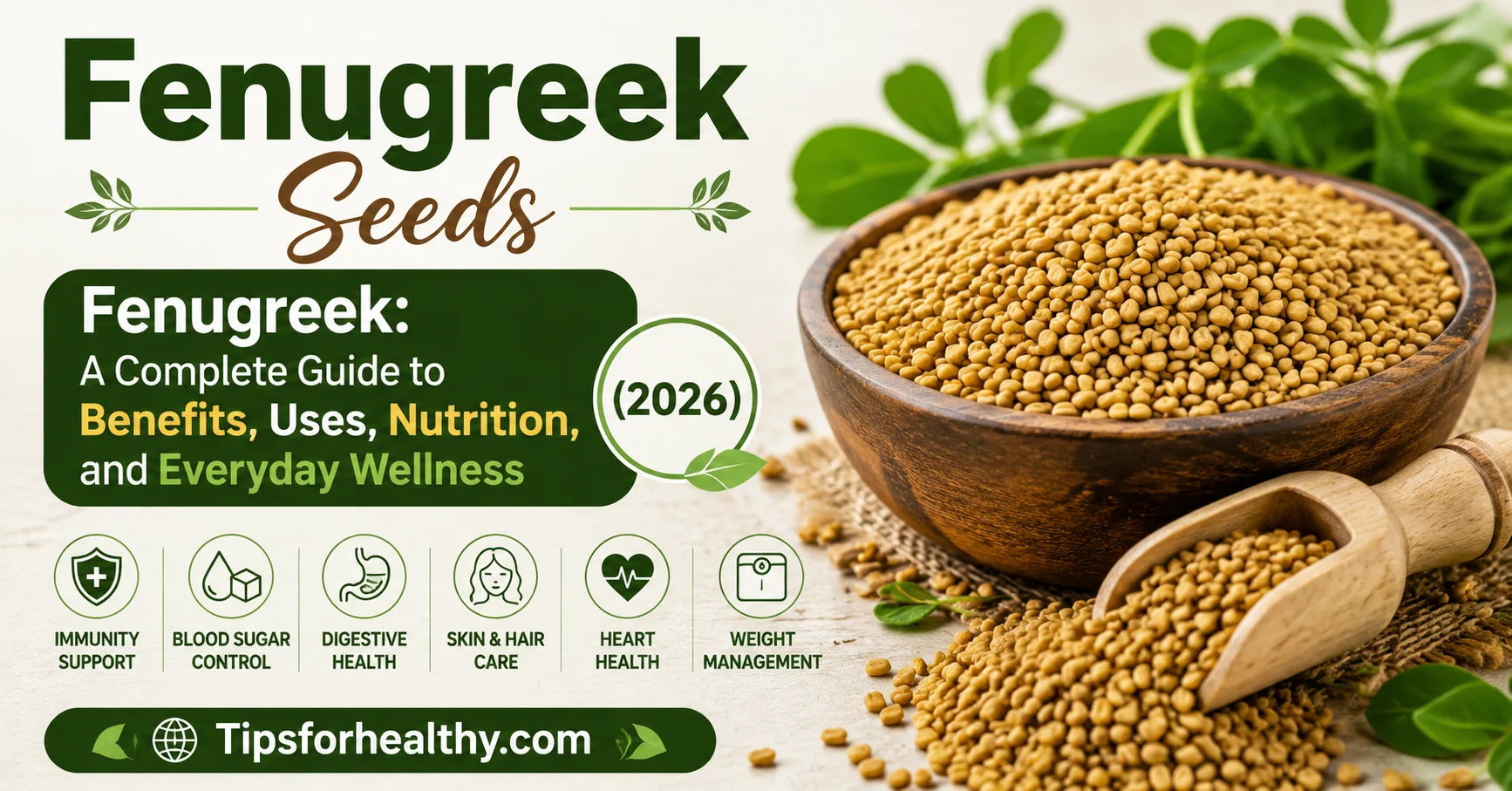
Fenugreek has been valued for thousands of years as both a flavorful spice and a traditional herbal remedy. Today, many people are rediscovering its benefits because they want simple, natural ways to support their health. Whether you enjoy cooking or are looking for plant-based wellness options, fenugreek seeds fenugreek can be a wonderful addition to your daily routine.
These small golden seeds have a slightly bitter taste with a sweet maple-like aroma. They are packed with fiber, vitamins, minerals, and natural plant compounds that may support digestion, heart health, blood sugar balance, and overall wellness. While no single food is a miracle cure, adding healthy ingredients like fenugreek to a balanced lifestyle can make a meaningful difference over time.
In this guide, you’ll learn what fenugreek is, why it has remained popular for centuries, how it supports health, and the safest ways to include it in your meals. I’ll also share practical tips that have helped many home cooks get the best flavor while avoiding common mistakes.
What Is Fenugreek and Why Is It So Popular?
Fenugreek is an annual herb that belongs to the legume family. It grows best in warm climates and produces small golden-brown seeds that are widely used in cooking and traditional wellness practices. The leaves are also edible and are often added to soups, curries, and breads. Today, fenugreek seeds fenugreek remains popular because it combines culinary value with impressive nutrition.
Many cultures have relied on this herb for generations. It has been used in Indian, Middle Eastern, North African, and Mediterranean cooking. Beyond its flavor, people appreciate that the seeds are naturally rich in fiber and antioxidants. Modern research continues to explore how these nutrients may support different aspects of health, making fenugreek a favorite among people looking for natural wellness choices.
A Brief History of Fenugreek
Fenugreek has a long and fascinating story. Ancient civilizations cultivated it thousands of years ago for both food and traditional medicine. Historical records suggest that it was grown in Egypt, Greece, and Rome, where it was valued for its many practical uses.
Over time, traders introduced fenugreek to different regions, allowing it to become a staple ingredient in many cuisines. Today, it continues to be enjoyed worldwide because it is affordable, easy to store, and versatile enough for both savory and sweet recipes.
What Makes Fenugreek Seeds Unique?
Unlike many spices that provide mainly flavor, fenugreek seeds offer significant nutritional value. They contain soluble fiber, plant protein, iron, magnesium, manganese, and beneficial antioxidants. The seeds also contain natural compounds such as saponins and galactomannan fiber, which researchers believe contribute to many of their health-supporting properties.
One interesting feature is their aroma. When soaked or cooked, fenugreek develops a mild maple-like scent that makes it stand out from other herbs and spices.
Nutritional Value of Fenugreek Seeds
Good nutrition begins with whole foods, and fenugreek is an excellent example. Although the seeds are small, they provide several nutrients that support normal body functions. Eating them as part of a varied diet can help increase your intake of fiber and important minerals.
One reason fenugreek seeds fenugreek has become popular among health-conscious people is its balanced nutritional profile. It supports healthy eating without requiring expensive supplements or complicated meal plans. Small daily amounts are often enough to enjoy its nutritional benefits.
Key Nutrients Found in Fenugreek
| Nutrient | Why It Matters |
|---|---|
| Dietary Fiber | Supports digestion and helps you feel full longer |
| Protein | Helps maintain muscles and body tissues |
| Iron | Supports healthy red blood cells |
| Magnesium | Important for muscles and nerves |
| Manganese | Helps with metabolism and bone health |
| Potassium | Supports normal heart and muscle function |
| Antioxidants | Help protect cells from oxidative stress |
Nutrition at a Glance
| Feature | Benefit |
|---|---|
| High Fiber | Supports digestive health |
| Plant-Based Protein | Complements healthy diets |
| Low Added Sugar | Naturally sugar-free |
| Rich in Minerals | Supports daily nutrition |
| Natural Plant Compounds | May provide wellness benefits |
Health Benefits of Fenugreek Seeds
People often ask why fenugreek has remained popular for so many centuries. The answer lies in its combination of nutrients and beneficial plant compounds. While research is still ongoing, many studies suggest that regular intake may support several aspects of overall health when combined with a healthy lifestyle.
From personal experience, I have noticed that soaking fenugreek overnight softens the seeds and reduces their bitterness. This simple trick also makes them easier to include in meals such as salads, soups, or homemade smoothies.
May Support Healthy Digestion
Fiber plays an important role in keeping the digestive system working well. Fenugreek contains soluble fiber that absorbs water and forms a gentle gel inside the digestive tract. This process may help support regular bowel movements and improve digestive comfort.
Many people also enjoy drinking fenugreek water after soaking the seeds overnight. While scientific evidence is still developing, this traditional practice remains popular among families who prefer natural wellness habits.
May Help Maintain Healthy Blood Sugar Levels
One of the most researched areas involving fenugreek seeds fenugreek is blood sugar management. Some studies suggest that its fiber and natural compounds may help slow carbohydrate absorption after meals.
However, fenugreek should never replace prescribed diabetes treatment. Anyone taking blood sugar medication should consult a healthcare professional before using large amounts of fenugreek, as it may enhance the effects of certain medicines.
May Support Heart Health
A healthy heart depends on many lifestyle factors, including balanced nutrition, regular exercise, and adequate sleep. Fenugreek may contribute by providing fiber that supports healthy cholesterol levels already within the normal range.
Its antioxidants may also help reduce oxidative stress, which is important for overall cardiovascular wellness. Eating a variety of fiber-rich foods, including fenugreek, can be part of a heart-friendly eating pattern.
May Help You Feel Full Longer
Because fenugreek is naturally high in soluble fiber, it may increase feelings of fullness after meals. This can help reduce unnecessary snacking throughout the day.
Although fenugreek alone will not cause weight loss, combining it with portion control, healthy meals, and regular physical activity may support long-term weight management goals.
Different Ways to Use Fenugreek Every Day
One of the best things about fenugreek is its flexibility. You don’t need complicated recipes or expensive equipment to enjoy it. Small amounts can easily become part of everyday cooking.
The flavor is slightly bitter when raw, but proper preparation creates a pleasant nutty taste that blends well with many dishes. Experimenting with different cooking methods helps you discover which style you enjoy most.
Soak the Seeds Overnight
Soaking is one of the easiest preparation methods. Simply place one teaspoon of seeds in a glass of water before bedtime. By morning, the seeds become softer and milder in flavor.
Some people eat the softened seeds, while others drink the soaking water as part of their morning routine. Either way, soaking makes the seeds easier to chew and digest.
Add Them to Everyday Meals
Fenugreek seeds can be included in many recipes without changing the overall flavor too much.
Some simple ideas include:
- Stir into vegetable curries.
- Mix with lentil soups.
- Add to homemade spice blends.
- Sprinkle into rice dishes.
- Blend into healthy smoothies.
- Include in pickles and chutneys.
- Use while baking homemade bread.
Try Fenugreek Powder
Ground fenugreek works well for people who do not enjoy chewing whole seeds. The powder can be mixed into yogurt, oatmeal, soups, or smoothies.
Start with a small amount because the flavor is concentrated. As you become familiar with the taste, you can adjust the quantity according to your preference.
How to Grow Fenugreek at Home
Growing your own fenugreek is easier than many people think. Even if you have only a small balcony or sunny window, you can grow fresh leaves and healthy seeds with very little effort. The plant grows quickly and does not require expensive gardening tools. Many beginners choose fenugreek because it is forgiving and produces results within a few weeks.
I first grew fenugreek in a small container using ordinary potting soil. Within days, tiny green shoots appeared, and after a few weeks, I had fresh leaves ready for cooking. Watching the plant grow made me appreciate the value of home-grown herbs. If you enjoy fresh ingredients, fenugreek seeds fenugreek is an excellent plant to start with because it grows fast and rewards even basic care.
Choosing the Right Soil and Pot
Fenugreek prefers loose, well-draining soil that allows water to move freely. A medium-sized pot with drainage holes is usually enough for a healthy crop. Fill the container with quality potting mix and avoid heavy clay soil that stays wet for long periods.
Place the pot where it receives at least six hours of sunlight each day. Water lightly whenever the top layer of soil feels dry. Too much water can damage the roots, so keeping the soil moist instead of soaked is the best approach.
Harvesting Leaves and Seeds
Fresh leaves can usually be picked within three to four weeks after planting. Use clean scissors and trim only a few leaves from each plant so it continues growing. These tender leaves taste wonderful in soups, stir-fries, and flatbreads.
If you want seeds instead of leaves, allow the plants to mature fully. The seed pods will dry naturally on the plant before harvest. Once collected, store the seeds in a dry container for future cooking or planting.
| Growing Step | Simple Tip |
|---|---|
| Soil | Use loose, well-draining potting mix |
| Sunlight | At least 6 hours daily |
| Water | Keep soil lightly moist |
| Leaf Harvest | 3–4 weeks after planting |
| Seed Harvest | Wait until pods dry naturally |
Fenugreek Seeds vs. Fenugreek Leaves
Although they come from the same plant, the seeds and leaves have different flavors, textures, and culinary uses. Understanding these differences helps you choose the right ingredient for each recipe. Both provide valuable nutrients, but each shines in its own way.
Many people focus only on the seeds, yet the fresh leaves deserve equal attention. They add a pleasant earthy flavor without the stronger bitterness found in whole seeds. Using both throughout the week provides more variety in your meals while allowing you to enjoy the full potential of the plant.
Flavor and Cooking Uses
Fenugreek seeds have a stronger taste and become milder after soaking, roasting, or cooking. They are commonly used in spice blends, curries, pickles, and lentil dishes.
Fresh leaves have a softer, slightly sweet flavor with mild bitterness. They work well in vegetable dishes, breads, rice, and soups. Dried leaves are also popular because they add aroma without overpowering other ingredients.
Nutritional Comparison
Both forms provide health benefits, but their nutritional strengths vary slightly depending on how they are prepared and served.
| Feature | Fenugreek Seeds | Fenugreek Leaves |
|---|---|---|
| Fiber | Very High | Moderate |
| Protein | Good | Moderate |
| Iron | High | Good |
| Flavor | Strong and nutty | Mild and fresh |
| Best Use | Curries, spices, pickles | Vegetables, breads, soups |
Possible Side Effects and Safety Tips
Fenugreek is generally considered safe when eaten as part of normal meals. Like any food or herb, however, it may not be suitable for everyone. Understanding possible side effects allows you to enjoy it wisely while reducing unwanted problems.
Most healthy adults can enjoy moderate amounts without difficulty. Still, starting with a small serving is a smart idea. Every person responds differently, and your body may need time to adjust to the increased fiber content found in fenugreek seeds fenugreek.
Mild Side Effects
Some people notice temporary digestive changes when they first begin eating fenugreek. These effects are usually mild and improve as the body adapts.
Possible side effects include:
- Mild stomach discomfort
- Gas or bloating
- Loose stools
- A maple-like body odor
- Slight digestive upset after large servings
Eating smaller portions and drinking enough water often helps reduce these issues.
Who Should Be Careful?
Certain people should speak with a healthcare professional before using large amounts of fenugreek or taking concentrated supplements.
This includes:
- Pregnant women
- People taking diabetes medication
- Individuals using blood-thinning medicine
- Anyone with known allergies to legumes
- People preparing for surgery
Using fenugreek as a normal cooking ingredient is generally different from taking high-dose supplements, which may have stronger effects.
Best Time to Eat Fenugreek
Many readers wonder if there is a perfect time to enjoy fenugreek. The truth is that consistency matters more than timing. Regular use as part of healthy meals often provides better long-term value than eating large amounts occasionally.
Choose a routine that fits naturally into your day. When healthy habits are simple, they are much easier to maintain over time.
Morning Routine
Many people soak the seeds overnight and enjoy them in the morning. This traditional habit is popular because it is easy to remember and fits well into a daily wellness routine.
Others mix ground fenugreek into yogurt, oatmeal, or smoothies for a fiber-rich breakfast that helps them feel satisfied until lunchtime.
With Lunch or Dinner
Fenugreek also works well in cooked meals. Adding a small amount to curries, lentils, roasted vegetables, or soups spreads your fiber intake throughout the day while improving flavor.
If you are new to the taste, cooked recipes are often easier to enjoy than eating raw seeds.
| Time | Common Way to Use |
|---|---|
| Morning | Soaked seeds or fenugreek water |
| Breakfast | Smoothies or oatmeal |
| Lunch | Soups and salads |
| Dinner | Curries, rice, vegetables |
| Snacks | Mixed into yogurt or dips |
How to Buy and Store Fenugreek
Buying high-quality fenugreek is simple once you know what to look for. Fresh, clean seeds have a golden-yellow to light brown color and a pleasant aroma. Avoid packages containing excessive dust, moisture, or damaged seeds.
Proper storage is just as important as choosing a quality product. Good storage protects flavor, nutrition, and freshness for many months.
Tips for Buying Quality Seeds
Purchase fenugreek from trusted grocery stores, spice markets, or reputable online sellers. Check the packaging date whenever possible and look for sealed containers.
Organic options are available if you prefer products grown without certain synthetic pesticides, although both conventional and organic seeds can be nutritious choices.
Best Storage Practices
Store fenugreek in an airtight glass container away from sunlight, heat, and moisture. A cool kitchen cabinet works well for most homes.
Whole seeds usually stay fresh longer than ground powder because they have less surface area exposed to air. If you buy powder, use it within a few months for the best flavor.
Common Mistakes to Avoid
Even healthy foods can be less enjoyable when used incorrectly. Fortunately, most fenugreek mistakes are easy to avoid with a little planning. Learning these simple lessons helps you enjoy better flavor and a more pleasant experience.
When I first tried cooking with fenugreek, I added far too many seeds to one dish. The bitterness overwhelmed every other ingredient. Since then, I’ve learned that small amounts often produce the best results.
Using Too Much at Once
Fenugreek has a powerful flavor. Beginners sometimes believe that more seeds mean more benefits, but this often makes meals unpleasantly bitter.
Start with half a teaspoon or one teaspoon and gradually increase only if you enjoy the taste.
Skipping Preparation
Raw seeds are harder and more bitter than soaked or lightly roasted seeds. Spending a few extra minutes preparing them greatly improves both texture and flavor.
Roasting also releases their pleasant aroma, making many recipes taste richer and more balanced.
Forgetting Balance
Fenugreek works best alongside other healthy foods rather than replacing them. A balanced diet filled with fruits, vegetables, whole grains, lean proteins, and healthy fats provides the greatest overall health benefits.
Think of fenugreek as one helpful ingredient within a larger healthy lifestyle rather than a quick solution.
What Does Research Say About Fenugreek?
Modern science has shown growing interest in fenugreek because it contains fiber, antioxidants, and natural plant compounds. Researchers continue studying how these nutrients may support overall wellness. While many early findings are encouraging, experts also agree that more high-quality human studies are needed before making strong health claims.
One important lesson from current research is that no single food can replace a balanced diet, regular exercise, or medical care. Instead, foods like fenugreek seeds fenugreek can become part of a healthy lifestyle. When used consistently and in reasonable amounts, they may help support wellness over time. This balanced approach is practical, realistic, and supported by nutrition experts.
Areas Scientists Continue to Study
Researchers are exploring several possible health benefits associated with fenugreek. Most studies focus on how its natural fiber and plant compounds interact with the body.
Current areas of interest include:
- Blood sugar support
- Healthy cholesterol levels
- Digestive wellness
- Appetite management
- Exercise recovery
- Breast milk production in some nursing mothers
Although these studies are promising, results vary between individuals. More research will help explain who benefits most and what amounts work best.
What We Can Learn Today
The strongest evidence supports using fenugreek as part of a nutritious eating pattern rather than expecting dramatic changes from the seeds alone. Consistency, moderation, and healthy daily habits remain the foundation of good health.
When choosing natural foods for wellness, patience is important. Small improvements made every day often create meaningful long-term results.
Easy and Delicious Ways to Enjoy Fenugreek
Many people buy fenugreek but are unsure how to use it. The good news is that it fits naturally into everyday cooking. With a little creativity, you can enjoy its unique flavor without making complicated recipes.
Over the years, I’ve found that roasting the seeds lightly before cooking creates a richer aroma and reduces bitterness. It is one of the easiest ways to make fenugreek more enjoyable, especially for beginners.
Simple Breakfast Ideas
Breakfast is a great time to include fenugreek because it pairs well with many healthy foods.
Try these ideas:
- Add soaked seeds to plain yogurt.
- Blend a small amount into fruit smoothies.
- Stir ground fenugreek into oatmeal.
- Mix with homemade pancake batter.
- Sprinkle over avocado toast with herbs.
These options provide extra fiber while keeping breakfast satisfying.
Lunch and Dinner Recipes
Fenugreek adds depth of flavor to many savory dishes.
Popular choices include:
| Recipe | How Fenugreek Is Used |
|---|---|
| Lentil Soup | Add roasted seeds during cooking |
| Vegetable Curry | Mix whole or ground seeds with spices |
| Brown Rice | Stir in toasted seeds before serving |
| Chickpea Salad | Add soaked seeds for texture |
| Homemade Bread | Mix dried leaves into the dough |
Small amounts often produce the best flavor.
Common Myths About Fenugreek
Because fenugreek has become popular online, many myths have spread across social media. Separating facts from fiction helps readers make informed decisions and avoid unrealistic expectations.
Healthy foods can support wellness, but they cannot perform miracles. Understanding what fenugreek can and cannot do builds trust and encourages smarter choices.
Myth vs. Fact
| Myth | Fact |
|---|---|
| Fenugreek cures every disease. | No single food can cure diseases. |
| More seeds always mean better results. | Moderate portions are usually best. |
| Everyone should take supplements. | Many people benefit simply from using the seeds in cooking. |
| Results happen overnight. | Healthy habits usually take time to show benefits. |
| Fenugreek replaces medicine. | It should never replace professional medical treatment. |
Why Misinformation Spreads
Natural remedies often become popular because they sound simple and affordable. Unfortunately, some websites exaggerate benefits to attract attention.
A better approach is to rely on balanced information, realistic expectations, and guidance from qualified healthcare professionals whenever medical conditions are involved.
Who Can Benefit Most From Fenugreek?
Fenugreek is a versatile ingredient that fits many lifestyles. While everyone has different nutritional needs, many people enjoy adding it to meals because it increases fiber and provides useful minerals.
Rather than thinking of fenugreek as a special treatment, it helps to view it as another healthy whole food. Combined with fruits, vegetables, whole grains, lean protein, and regular activity, it supports a balanced lifestyle.
People Who May Enjoy It
Many healthy adults choose fenugreek because it fits easily into everyday meals.
It may be especially appealing for:
- Home cooks exploring new spices
- People wanting more dietary fiber
- Vegetarians seeking plant-based nutrition
- Individuals interested in traditional herbs
- Gardeners growing their own herbs
- Families preparing homemade meals
Building Healthy Habits
Adding one healthy habit at a time is often more successful than changing everything at once.
For example:
| Healthy Habit | Easy First Step |
|---|---|
| Eat More Fiber | Add fenugreek to soup once a week |
| Cook at Home | Try one new recipe every weekend |
| Drink More Water | Pair fiber-rich meals with water |
| Eat More Vegetables | Add fresh fenugreek leaves to curries |
| Grow Fresh Herbs | Plant fenugreek in a small pot |
Small, consistent improvements often produce lasting results.
Frequently Asked Questions
Is it safe to eat fenugreek seeds every day?
For most healthy adults, small amounts used in cooking are generally safe. If you have a medical condition, are pregnant, or take prescription medications, speak with your healthcare provider before increasing your intake or using supplements.
Should I soak fenugreek seeds before eating them?
Soaking is not required, but many people prefer it because it softens the seeds, reduces bitterness, and makes them easier to chew.
What do fenugreek seeds taste like?
They have a slightly bitter, nutty flavor with a mild maple-like aroma. Roasting or cooking the seeds creates a smoother taste.
Can fenugreek help with weight management?
Its fiber may help you feel full longer, which can support healthy eating habits. However, lasting weight management depends on overall diet, physical activity, and healthy lifestyle choices.
Are fenugreek leaves and seeds equally healthy?
Both are nutritious but offer different benefits. Seeds provide more fiber, while leaves are rich in vitamins and add fresh flavor to meals.
How should I store fenugreek?
Keep whole seeds in an airtight container in a cool, dry place away from sunlight and moisture. Properly stored seeds can stay fresh for many months.
Conclusion
Fenugreek has earned its place in kitchens around the world for good reason. It is flavorful, affordable, easy to use, and packed with nutrients that support a healthy lifestyle. Whether you sprinkle the seeds into soups, blend the powder into smoothies, or cook with fresh leaves, there are countless ways to enjoy this remarkable herb.
The greatest strength of fenugreek seeds fenugreek is not that it promises instant results, but that it encourages simple, sustainable habits. Adding more fiber, cooking meals at home, and choosing wholesome ingredients are all steps toward better long-term health.
Start with a small amount, experiment with different recipes, and discover what works best for your taste. Over time, these small choices can become lasting habits that benefit both your health and your family. If you’ve tried fenugreek before, share your favorite recipe or cooking tip in the comments. Your experience may inspire someone else to begin their own healthy eating journey.
