

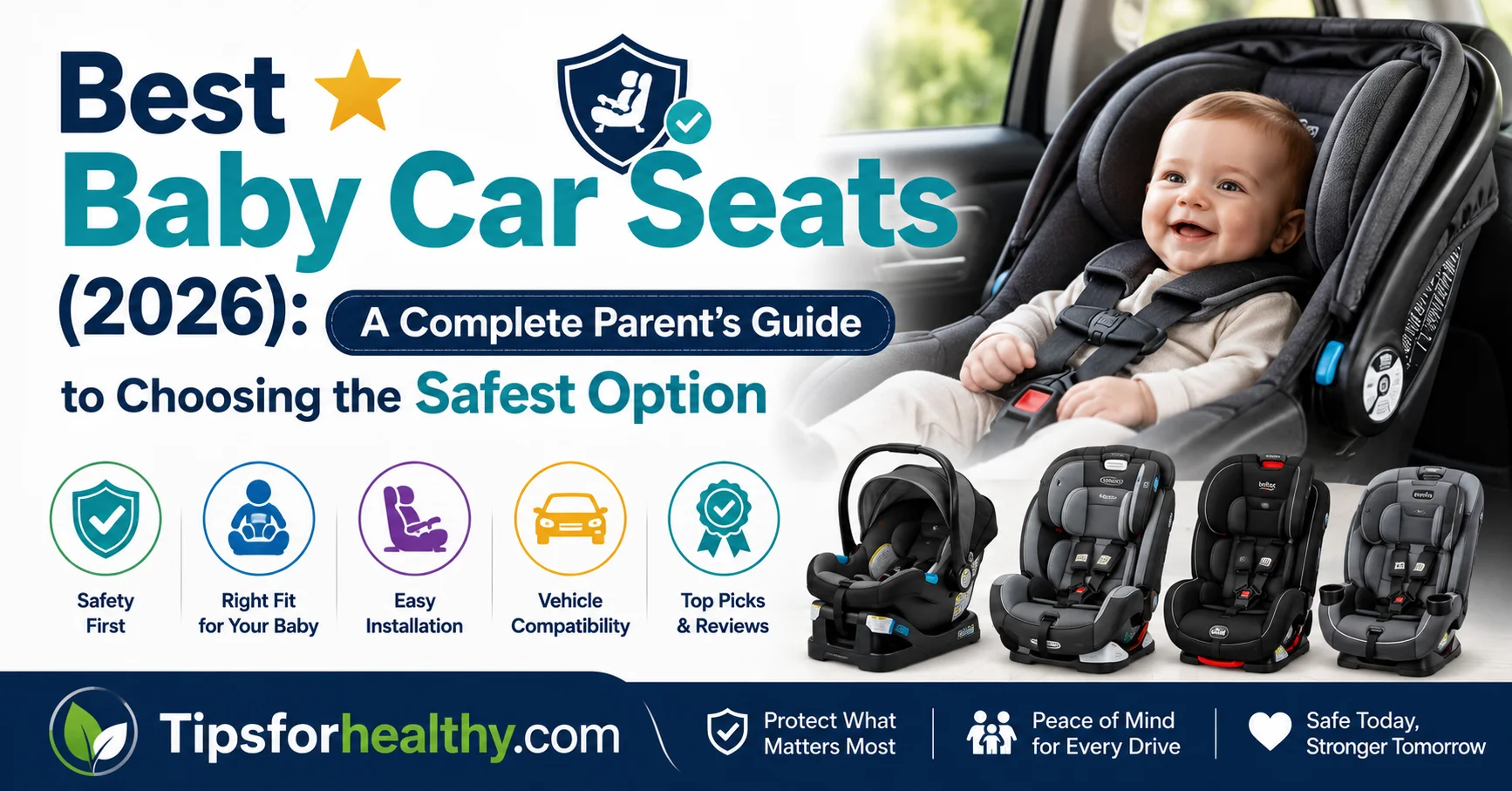
Bringing home a new baby is exciting, but it also comes with many important decisions. One of the biggest is choosing the best baby car seats for your child. A quality car seat protects your baby during every trip, whether you are driving to the grocery store or taking a long family vacation.
Many parents feel overwhelmed by the number of choices available today. Some seats are designed only for newborns, while others grow with your child for several years. Features like side-impact protection, easy installation, and washable fabrics can make one model a better choice than another.
This guide explains everything you need to know in simple language. You’ll learn about different car seat types, key safety features, installation tips, common mistakes, and how to choose a seat that fits your family’s lifestyle. Along the way, you’ll also find practical advice based on real parenting experiences, making it easier to select one of the best baby car seats with confidence.
Why Choosing the Right Baby Car Seat Matters
A baby car seat is much more than another piece of baby gear. It is one of the most important safety products you will ever buy. Babies have delicate bones and developing muscles, making proper protection essential during every ride.
Even careful drivers cannot control the actions of others on the road. A correctly installed car seat helps reduce the risk of serious injuries during sudden stops or accidents. That is why safety experts recommend using age-appropriate car seats from your baby’s very first trip home.
Parents often spend hours comparing strollers or nursery furniture, yet the car seat deserves even more attention. Investing in one of the best baby car seats gives you peace of mind every time you buckle your child in.
Understanding Crash Protection
Modern car seats are carefully designed to absorb crash forces. Deep side walls, energy-absorbing foam, and secure harness systems work together to protect your baby’s head, neck, and spine.
Rear-facing seats offer the highest level of protection for infants because they spread impact forces across the baby’s back instead of placing stress on the neck. This simple design has saved countless young lives over the years.
Building Safe Travel Habits Early
Choosing a quality car seat is only the beginning. Using it correctly every single trip helps build lifelong safety habits. Children who grow up always riding properly restrained are more likely to continue practicing safe travel as they get older.
Parents also become more confident with regular use, making each journey smoother and less stressful.
Different Types of Baby Car Seats
Not every family needs the same type of seat. Understanding the main categories helps narrow your choices before you start comparing features.
Some families travel frequently, while others mostly drive around town. Your vehicle size, budget, and future plans all play a role in finding the best baby car seats for your needs.
Infant Car Seats
Infant seats are designed specifically for newborns and young babies. They always face the rear and usually include a removable carrier that clicks into a base installed inside the vehicle.
Many parents appreciate this design because sleeping babies can stay in the carrier without being disturbed. These seats are lightweight and often work with compatible strollers to create a convenient travel system.
Convertible Car Seats
Convertible car seats start as rear-facing seats and later change into forward-facing models. Although they are larger than infant seats, they often last several years.
Families looking for long-term value often choose convertible seats because they eliminate the need to purchase another seat during the toddler years.
All-in-One Car Seats
All-in-one models can serve children from infancy through the booster seat stage. They typically offer the longest lifespan and can be an excellent investment for growing families.
However, they are usually heavier and less portable than infant-only seats.
Important Safety Features to Look For
Shopping for car seats can feel confusing because every brand highlights different features. While extra convenience is nice, safety should always come first.
The best baby car seats combine proven safety technology with easy installation and comfortable designs that encourage proper daily use.
Five-Point Harness
A five-point harness keeps your baby securely positioned by fastening at both shoulders, both hips, and between the legs.
This design spreads crash forces across the strongest parts of the child’s body while helping prevent excessive movement during sudden impacts.
Side-Impact Protection
Many newer seats include reinforced side panels with energy-absorbing materials.
These extra layers help reduce the force transferred to your baby’s head and upper body if another vehicle strikes from the side.
Easy Installation System
Even the safest seat cannot protect a child if installed incorrectly.
Look for features such as clear level indicators, simple belt paths, and easy-to-read instructions. Many parents also appreciate click-in connectors that make installation faster and more secure.
How to Choose the Best Baby Car Seat for Your Family
Every family has different priorities. Some parents need lightweight seats for frequent travel, while others want a model that lasts for many years.
Instead of focusing only on price, think about your daily routine. Consider how often you move the seat between vehicles, whether grandparents will use it, and how much space your car offers.
Match the Seat to Your Baby’s Age and Size
Always check both weight and height limits before buying.
A seat that fits your newborn today should also provide enough growing room for the months ahead without sacrificing safety.
Think About Your Vehicle
Not every car seat fits every vehicle equally well.
Compact cars may work better with slimmer designs, while SUVs usually have more flexibility. Whenever possible, test the fit before purchasing to ensure enough room for passengers and proper installation.
Comparison Table: Types of Baby Car Seats
| Car Seat Type | Best For | Typical Age Range | Main Benefit | Possible Drawback |
|---|---|---|---|---|
| Infant Car Seat | Newborns | Birth to about 12–18 months | Portable carrier | Outgrown sooner |
| Convertible Car Seat | Long-term use | Birth to 4+ years | Excellent value | Not portable |
| All-in-One Car Seat | Growing families | Birth to booster age | Long lifespan | Larger and heavier |
| Booster Seat | Older children | Usually 4–12 years | Proper seat belt fit | Not for infants |
Installing Your Baby Car Seat the Right Way
Buying one of the best baby car seats is only half the job. The other half is making sure it is installed correctly every time. A small mistake can reduce the seat’s ability to protect your child during a crash.
Always read both your vehicle owner’s manual and the car seat instruction manual before installation. Every vehicle is slightly different, and manufacturers may have special recommendations. If you are unsure, many local hospitals, fire departments, or child passenger safety technicians offer free installation checks.
Use the LATCH System or Seat Belt
Most modern vehicles include the Lower Anchors and Tethers for Children (LATCH) system. It provides secure anchor points for installing compatible car seats.
If your vehicle or seat does not support LATCH for your child’s weight, use the vehicle’s seat belt exactly as directed. Never use both systems together unless the manufacturer specifically allows it.
Check for Movement
After installation, hold the seat near the belt path and gently push it from side to side.
A properly installed seat should not move more than one inch in any direction. If it shifts too much, tighten the installation and check the instructions again.
Rear-Facing vs. Forward-Facing: Which Is Safer?
Parents often wonder when they should turn their child’s car seat forward. While it may seem like children enjoy facing forward, safety experts recommend keeping them rear-facing for as long as possible within the seat’s height and weight limits.
Rear-facing seats support the head, neck, and spine during sudden stops or collisions. This protection is especially important because babies and toddlers have developing bones and muscles.
Benefits of Rear-Facing
Rear-facing seats distribute crash forces across the child’s back instead of concentrating them on the neck.
This greatly reduces the chance of serious injuries and provides the highest level of protection during the early years.
When to Switch
Do not switch simply because your child reaches a certain birthday.
Instead, follow the manufacturer’s height and weight limits. Many modern convertible seats allow children to remain rear-facing well into the toddler years.
Common Car Seat Mistakes Parents Should Avoid
Even experienced parents sometimes make installation or usage mistakes. Learning about these common problems can help keep every trip safer.
The best baby car seats perform well only when they are used correctly.
Loose Harness Straps
Harness straps should fit snugly against your child’s body.
If you can pinch extra webbing at the shoulder, the harness is too loose. Tighten it until it fits securely while still allowing comfortable breathing.
Bulky Winter Coats
Heavy coats create extra space between the harness and your child’s body.
During a crash, that extra space may allow too much movement. Dress your child in thinner layers and place a blanket over the harness if additional warmth is needed.
Incorrect Chest Clip Position
The chest clip should sit level with your child’s armpits.
A clip placed too low or too high may reduce the harness’s effectiveness during an impact.
Keeping Your Baby Comfortable During Every Ride
Safety always comes first, but comfort matters too. A happy baby often means a calmer trip for everyone.
Many of the best baby car seats include breathable fabrics, adjustable headrests, and multiple recline positions to improve comfort without sacrificing protection.
Dress Your Baby Comfortably
Choose soft, lightweight clothing that allows the harness to fit properly.
Avoid thick blankets beneath your baby because they can affect the harness fit.
Plan Longer Trips Carefully
For extended travel, take regular breaks so your baby can stretch, eat, and enjoy a diaper change.
Short breaks also give parents a chance to check that the harness remains correctly positioned.
Cleaning and Maintaining Your Car Seat
A clean car seat not only looks better but also lasts longer. Babies naturally create spills, crumbs, and messes, so regular cleaning becomes part of normal maintenance.
Before cleaning, always read the manufacturer’s instructions. Some harness straps should never be soaked or cleaned with harsh chemicals because this may weaken the material.
Wash Covers Properly
Many covers can be removed and machine washed using gentle detergent.
Allow them to air dry if recommended to help prevent shrinking.
Inspect for Damage
Every few weeks, inspect the seat for cracks, broken buckles, worn straps, or missing parts.
If your seat has been involved in a moderate or severe crash, replace it according to the manufacturer’s recommendations.
Features Worth Paying Extra For
Not every premium feature is necessary, but some can improve both safety and convenience.
When comparing the best baby car seats, think about which features will actually make daily life easier.
Rotating Seats
Some newer models rotate toward the vehicle door, making it easier to place your child inside.
This feature can reduce back strain for parents while simplifying everyday use.
Adjustable Headrests
Children grow quickly.
An adjustable headrest allows the seat to grow with your child while maintaining proper harness positioning.
Machine-Washable Fabrics
Babies spill milk, snacks, and more.
Removable, washable fabrics make cleaning much easier and help keep the seat looking fresh.
Comparison Table: Key Features to Compare
| Feature | Why It Matters | Recommended |
|---|---|---|
| Five-point harness | Keeps child securely restrained | ✔ Yes |
| Side-impact protection | Adds head and body protection | ✔ Yes |
| Adjustable headrest | Grows with your child | ✔ Yes |
| Machine-washable cover | Easy cleaning | ✔ Yes |
| Multiple recline positions | Better comfort and fit | ✔ Yes |
| Rotating base | Easier loading and unloading | Optional |
Frequently Asked Questions
How long can a newborn use an infant car seat?
Most babies use an infant car seat until they reach the maximum height or weight listed by the manufacturer. This is often between 12 and 18 months, though it varies by model.
Are expensive car seats safer?
All car seats sold must meet required safety standards. More expensive models often include extra comfort, convenience, and easier installation features rather than dramatically higher safety levels.
Can I buy a used baby car seat?
Buying used can be risky unless you know its complete history. Never use a seat that has been in a crash, has missing parts, or has passed its expiration date.
How often should I replace a car seat?
Most car seats expire six to ten years after manufacture. Always check the label or owner’s manual for the exact expiration date.
Is it okay if my baby’s feet touch the vehicle seat?
Yes. Children often bend or cross their legs while riding rear-facing. This is normal and does not mean they are uncomfortable or unsafe.
Can I use accessories not made by the manufacturer?
Avoid aftermarket inserts, cushions, or harness covers unless they are specifically approved for your car seat model. Unapproved accessories may affect safety performance.
Final Thoughts
Choosing the best baby car seats is one of the most important decisions you will make as a parent. The right seat provides reliable protection, fits your vehicle properly, and grows with your child whenever possible.
Remember that no car seat is effective unless it is installed and used correctly. Take time to read the instructions, adjust the harness carefully, and inspect the seat regularly for signs of wear. Small steps can make a big difference in your child’s safety.
As you compare different models, focus on proven safety features, ease of installation, comfort, and long-term value rather than price alone. Every family has unique needs, so the best choice is the one that fits your child, your vehicle, and your daily routine.
With the right knowledge and careful planning, you can confidently choose one of the best baby car seats and enjoy every journey knowing your little one is riding as safely as possible.
