

Introduction
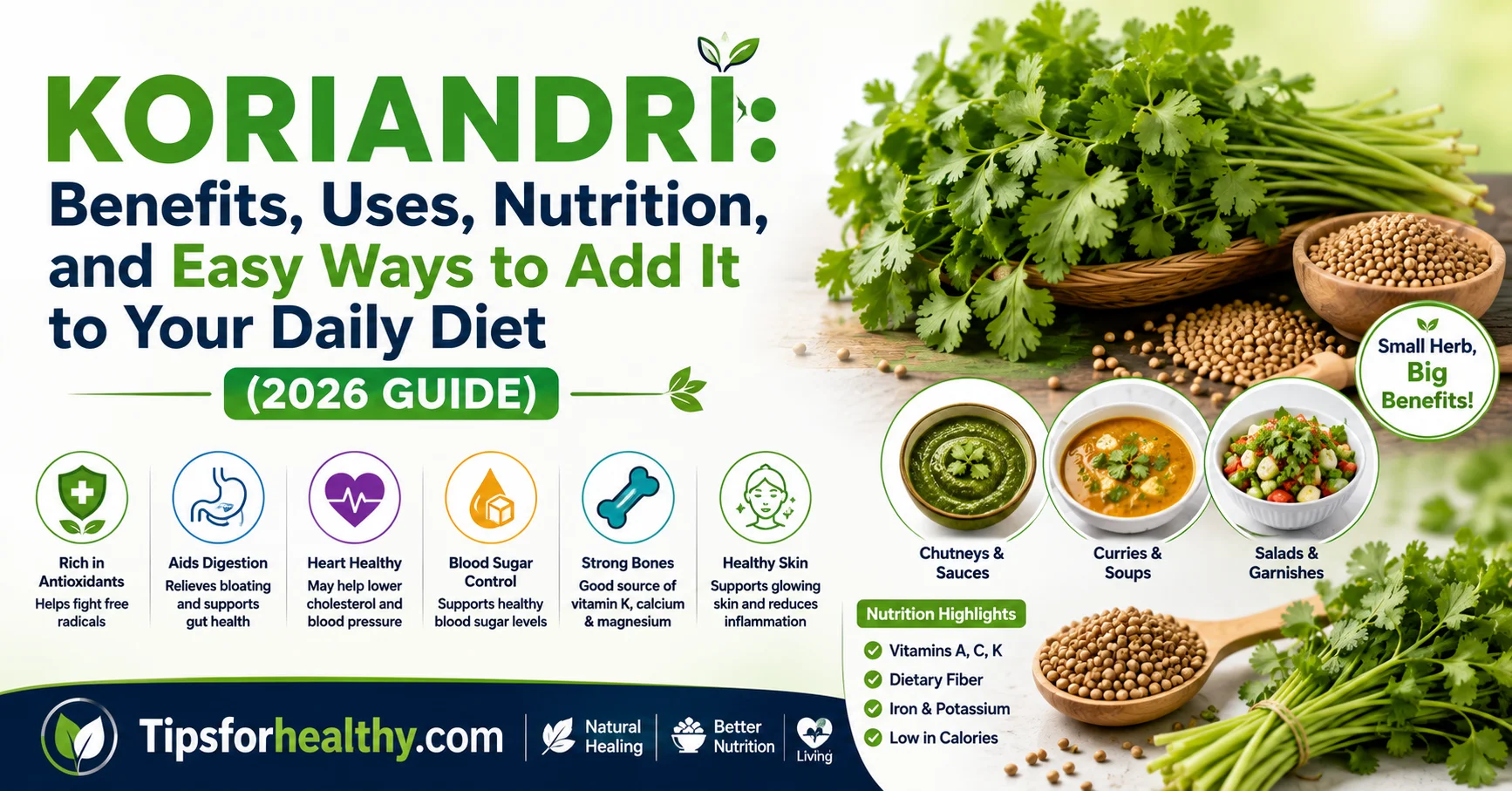
Koriandri is one of the most loved herbs in kitchens around the world. Some people know it as coriander, while others call the fresh leaves cilantro. It adds a fresh taste and a pleasant smell to many meals. From soups and salads to curries and sauces, this simple herb can make everyday food more enjoyable.
Many people also use Koriandri because it offers more than great flavor. It contains vitamins, minerals, and plant compounds that support overall health. While it is not a miracle food, adding it to a balanced diet can be a smart choice. I started using fresh Koriandri more often after growing a small pot at home. The flavor was much better than store-bought herbs, and it made simple meals feel fresh and homemade. This guide explains everything you need to know about Koriandri, including its nutrition, health benefits, cooking tips, and the best ways to enjoy it every day.
What Is Koriandri?
A Simple Herb with a Long History
Koriandri comes from the coriander plant, which has been used for thousands of years. People in Asia, Europe, and the Middle East have added it to recipes and traditional remedies for generations. Both the leaves and seeds are useful, but they have different flavors. The fresh green leaves taste bright and slightly citrus-like, while the dried seeds have a warm, earthy flavor. This makes the plant one of the most versatile herbs in the kitchen.
Today, Koriandri is popular in many cuisines because it blends well with vegetables, meat, rice, seafood, and beans. It is easy to grow at home and does not need much space. Even a small pot near a sunny window can provide fresh leaves for weeks. Many home cooks enjoy picking fresh leaves just before serving a meal because the flavor stays stronger.
Koriandri vs. Coriander vs. Cilantro
Many people become confused by these names. In several countries, the whole plant is called coriander. In the United States, the fresh leaves are usually called cilantro, while the seeds are called coriander seeds. In South Asian languages, the herb is often known as Koriandri or similar local names.
Although the names change from place to place, they all come from the same plant. Understanding these terms makes shopping easier, especially when following recipes from different countries. Whether you buy fresh leaves or dried seeds, you are enjoying different parts of the same useful herb.
Nutrition Facts of Koriandri
Packed with Vitamins and Minerals
One reason many people enjoy Koriandri is its nutritional value. Even though it is usually eaten in small amounts, it provides several important nutrients. Fresh leaves contain vitamin A, vitamin C, vitamin K, potassium, calcium, and small amounts of iron. These nutrients help support healthy bones, normal blood clotting, immune function, and healthy skin.
The herb is also low in calories, making it easy to include in healthy eating plans. Adding a handful of fresh leaves to meals gives extra flavor without adding much fat or sugar. That makes Koriandri a smart choice for people who want tasty food while watching their calorie intake.
Nutrition Table
| Nutrient | Approximate Amount (Per 100g Fresh Leaves) |
|---|---|
| Calories | 23 kcal |
| Protein | 2.1 g |
| Carbohydrates | 3.7 g |
| Fiber | 2.8 g |
| Vitamin C | High |
| Vitamin K | Very High |
| Vitamin A | High |
| Calcium | Moderate |
| Potassium | Moderate |
| Iron | Small Amount |
Values may vary depending on growing conditions and freshness.
Top Health Benefits of Koriandri
Supports Everyday Wellness
One of the biggest reasons people eat Koriandri is because it contains natural antioxidants. These compounds help protect the body’s cells from normal daily damage caused by free radicals. A healthy diet rich in colorful fruits, vegetables, and herbs may support long-term wellness. While Koriandri alone cannot prevent disease, it fits well into a healthy lifestyle.
Many people also enjoy the fresh taste because it encourages them to eat more vegetables. A simple salad becomes much more appealing with chopped Koriandri, lemon juice, and olive oil. Small habits like these can make healthy eating easier and more enjoyable over time.
May Support Digestion
Fresh Koriandri has been used in traditional cooking for generations to support comfortable digestion. Many people enjoy it after rich or spicy meals because it adds freshness and lightness. Some people believe it may help reduce occasional bloating, although research is still ongoing.
From personal experience, adding fresh Koriandri to homemade lentil soup or rice dishes makes meals feel lighter and more refreshing. Even if the digestive benefits vary from person to person, the pleasant flavor alone makes it worth adding to many recipes. Drinking enough water, eating fiber-rich foods, and staying active remain the most important steps for healthy digestion.
How Koriandri Supports a Healthy Lifestyle
A Great Addition to Balanced Meals
Healthy eating does not require expensive ingredients. Sometimes simple herbs like Koriandri can improve both flavor and nutrition. Instead of using heavy sauces filled with sugar or salt, many people sprinkle fresh Koriandri over cooked vegetables, grilled chicken, fish, or rice. This simple change adds color and fresh taste without adding many calories.
Balanced meals usually include vegetables, whole grains, lean protein, and healthy fats. Koriandri fits naturally into almost all of these foods. It works well in soups, wraps, sandwiches, tacos, curries, pasta salads, and smoothies. Because it blends with many flavors, it becomes easy to eat more healthy meals without getting bored.
Easy to Include Every Day
Adding Koriandri to your daily meals is easier than many people think. Chop fresh leaves into salads, mix them into yogurt dips, or sprinkle them over eggs in the morning. Blend them into green sauces with garlic, lemon, and olive oil for a quick homemade dressing.
If fresh herbs are not available, growing your own can be a fun family project. A small pot on a balcony or kitchen window often provides enough fresh leaves for regular cooking. Picking herbs just before serving keeps their aroma strong and makes homemade meals taste fresher.
Can Koriandri Help with Weight Management?
A Low-Calorie Way to Add More Flavor
If you are trying to maintain a healthy weight, Koriandri can be a helpful ingredient. It is naturally low in calories but full of fresh flavor. This means you can season your meals without relying on heavy sauces, butter, or extra salt. Small changes like these may help reduce overall calorie intake over time.
For example, instead of using creamy dressings, try mixing chopped Koriandri with lemon juice, olive oil, and a pinch of black pepper. This simple dressing tastes fresh and works well with salads, grilled chicken, or roasted vegetables. It is an easy swap that makes healthy eating more enjoyable.
Healthy Habits Matter Most
It is important to remember that Koriandri is not a weight-loss shortcut. No single herb can melt fat or replace healthy habits. The best results come from eating balanced meals, staying active, drinking enough water, and getting good sleep.
I often add fresh Koriandri to vegetable soup or grilled fish because it makes simple meals taste exciting. When healthy food tastes better, it becomes easier to stick with good eating habits for the long term.
Koriandri and Heart Health
A Heart-Friendly Choice
A heart-friendly diet includes plenty of vegetables, fruits, herbs, and whole foods. Koriandri fits perfectly into this eating style. It contains antioxidants and plant compounds that support overall wellness as part of a balanced diet.
Using fresh herbs instead of too much salt is another smart habit. Many people discover that adding Koriandri gives meals enough flavor without needing extra sodium. Lowering excess salt intake may help support healthy blood pressure when combined with an overall healthy lifestyle.
Pair It with Other Healthy Foods
The greatest benefits come from combining Koriandri with other nutritious foods. Add it to bean salads, whole-grain bowls, grilled vegetables, or baked fish. These meals provide fiber, healthy fats, and important nutrients that support heart health.
Remember, regular exercise, avoiding smoking, and routine health checkups are just as important as eating healthy foods.
Can Koriandri Support Your Immune System?
Rich in Helpful Nutrients
Fresh Koriandri contains vitamin C and vitamin A, which play important roles in normal immune function. While the herb is usually eaten in small amounts, every nutritious ingredient adds value to a healthy diet.
A colorful plate filled with vegetables, fruits, herbs, and lean protein gives your body many nutrients it needs every day. Koriandri is one simple way to make those meals even better.
Healthy Living Is the Real Secret
Strong immunity depends on many daily habits. Eating nutritious foods, sleeping well, reducing stress, staying active, and washing your hands regularly all make a difference.
Think of Koriandri as one healthy piece of a much bigger picture rather than a cure or treatment.
Koriandri for Skin and Hair
Nutrients That Support Healthy Skin
Many people include Koriandri in their diet because it contains vitamins and antioxidants that help support healthy skin. Vitamin C helps your body produce collagen, while vitamin A supports normal skin growth.
Although eating nutritious foods benefits the skin, no herb can instantly remove wrinkles or cure acne. Healthy skin usually comes from a balanced diet, proper hydration, sunscreen, and a consistent skincare routine.
Hair Benefits Begin with Good Nutrition
Healthy hair depends on getting enough vitamins, minerals, and protein. Since Koriandri contains several useful nutrients, it can be part of a diet that supports healthy hair growth.
Personally, I enjoy adding chopped Koriandri to omelets and vegetable dishes because it is an easy way to include more fresh greens without changing the flavor too much.
How to Buy Fresh Koriandri
What to Look For
Choosing fresh Koriandri makes a big difference in taste. Look for bright green leaves without yellow spots or wilted stems. Fresh herbs should smell clean and pleasant.
Avoid bunches that feel slimy or have dark patches. These signs often mean the herb is no longer fresh.
Organic or Regular?
Both organic and conventionally grown Koriandri can be healthy choices. The most important step is washing the leaves well before eating them. Rinse them under cool running water to remove dirt and any remaining residue.
If possible, buy herbs from local farmers’ markets. Freshly harvested Koriandri often has a stronger aroma and better flavor.
Best Ways to Store Koriandri
Keep It Fresh Longer
Fresh Koriandri can wilt quickly if stored the wrong way. After washing, gently dry the leaves with a clean towel. Wrap them in a slightly damp paper towel and place them inside a container or resealable bag in the refrigerator.
This simple method often keeps the herb fresh for several days.
Can You Freeze It?
Yes. If you have extra Koriandri, chop the leaves and freeze them in ice cube trays with a little water or olive oil. These frozen cubes work well in soups, curries, and sauces.
Freezing changes the texture but keeps much of the flavor, making it a great way to reduce food waste.
Common Mistakes When Using Koriandri
Adding It Too Early
One common mistake is cooking Koriandri for too long. Heat can reduce its fresh flavor. In many recipes, it tastes best when sprinkled on food just before serving.
This simple trick keeps its bright aroma and fresh appearance.
Using Too Much
Although Koriandri is delicious, adding too much can overpower a meal. Start with a small handful and adjust based on your taste.
Balanced seasoning usually creates the best results.
Easy Ways to Cook with Koriandri
Delicious Everyday Ideas
You do not need complicated recipes to enjoy Koriandri. Here are a few simple ideas:
| Meal | How to Use Koriandri |
|---|---|
| Salad | Mix chopped leaves into fresh vegetables |
| Soup | Sprinkle on top before serving |
| Rice | Stir into cooked rice with lemon |
| Sandwich | Add fresh leaves for extra flavor |
| Eggs | Mix into scrambled eggs or omelets |
| Tacos | Use as a fresh topping |
| Curry | Garnish just before serving |
| Smoothie | Blend with spinach and cucumber |
Homemade Green Sauce
Blend together:
- Fresh Koriandri
- Lemon juice
- Garlic
- Olive oil
- Black pepper
- A pinch of salt
This quick sauce tastes great with grilled chicken, vegetables, seafood, or roasted potatoes.
Are There Any Side Effects?
Most People Can Enjoy It Safely
For most healthy adults, eating Koriandri as part of meals is considered safe. Allergic reactions are uncommon but possible. If you notice itching, swelling, or trouble breathing after eating it, seek medical care immediately.
People taking certain medications or those with specific health conditions should speak with a healthcare professional if they have concerns about major dietary changes.
Wash Before Eating
Always wash fresh Koriandri thoroughly before using it. This helps remove dirt and reduces the chance of unwanted bacteria.
Buying fresh herbs from trusted stores or local markets also improves quality and safety.
Frequently Asked Questions About Koriandri
Is Koriandri the same as cilantro?
Yes. In many countries, Koriandri refers to the fresh green leaves of the coriander plant. In the United States, these leaves are commonly called cilantro, while the dried seeds are known as coriander seeds. Although the names are different, they all come from the same plant.
Can I eat Koriandri every day?
Yes. Most healthy people can enjoy Koriandri every day as part of a balanced diet. It adds flavor, vitamins, and antioxidants without many calories. Eating a variety of fruits, vegetables, herbs, and whole foods is always the best approach to good nutrition.
Does Koriandri help with weight loss?
Koriandri can support a healthy eating plan because it is low in calories and adds fresh flavor to meals. However, it does not directly burn fat or cause weight loss. Regular exercise, healthy eating, good sleep, and staying active remain the most effective ways to manage body weight.
Can Koriandri be eaten raw?
Absolutely. Many people enjoy fresh Koriandri in salads, sandwiches, wraps, salsa, soups, and rice dishes. Adding it just before serving helps preserve its bright flavor and fresh aroma.
How long does fresh Koriandri last?
When stored correctly in the refrigerator, fresh Koriandri usually stays fresh for about one week. Wrapping the leaves in a slightly damp paper towel and placing them in an airtight container can help extend freshness. Freezing chopped leaves is another great option for longer storage.
Are coriander seeds and Koriandri leaves the same?
They come from the same plant but have different flavors and uses. Fresh Koriandri leaves have a light, citrus-like taste, while coriander seeds have a warm, slightly sweet, and earthy flavor. Many recipes use both to create deeper flavor.
Quick Reference Table
| Topic | Key Information |
|---|---|
| Common Names | Koriandri, Coriander Leaves, Cilantro |
| Plant Type | Fresh culinary herb |
| Calories | Very low |
| Rich In | Vitamin A, Vitamin C, Vitamin K, antioxidants |
| Best Uses | Salads, soups, curries, rice, sandwiches, sauces |
| Storage | Refrigerate or freeze |
| Safe for Daily Use | Yes, for most healthy adults |
| Weight Loss | Supports healthy eating but is not a fat burner |
Final Tips for Getting the Most from Koriandri
Making Koriandri part of your daily meals is one of the easiest ways to add fresh flavor and extra nutrients without much effort. Keep a small bunch in your refrigerator or grow it in a pot near a sunny window. Fresh leaves are always ready when you need them, and they can turn simple dishes into something more colorful and delicious.
Try adding Koriandri to different recipes each week. Mix it into salads, sprinkle it over soups, stir it into rice, or blend it into homemade sauces. Small changes like these make healthy eating more enjoyable and help you include more fresh herbs in your diet.
Conclusion
Koriandri is much more than a simple garnish. It is a fresh, flavorful herb that has been enjoyed in kitchens around the world for centuries. With its rich supply of vitamins, antioxidants, and natural plant compounds, it fits perfectly into a balanced and healthy lifestyle. Whether you are preparing a quick weekday meal or a special family dinner, adding fresh Koriandri is an easy way to improve both taste and nutrition.
While Koriandri offers many nutritional benefits, it should be viewed as part of an overall healthy lifestyle rather than a miracle food. Eating a variety of fruits, vegetables, whole grains, lean proteins, and healthy fats, along with regular exercise and proper hydration, provides the greatest long-term health benefits.
If you have not used Koriandri very often, start with simple recipes like salads, soups, rice bowls, or homemade green sauces. You may be surprised by how much freshness it adds to everyday meals. With its versatility, pleasant aroma, and impressive nutritional value, Koriandri deserves a regular place in your kitchen.
