

Introduction: That Throbbing Tooth Pain Is Trying to Tell You Something
You know that deep, pulsing ache in your jaw? The kind that wakes you up at 2 AM and makes it hard to think about anything else? That could be a tooth infection — and it deserves your full attention.
A tooth infection happens when bacteria get inside your tooth or gum and start causing trouble. Left alone, it can spread quickly. It can move from your tooth to your jaw, your neck, and in serious cases, even your bloodstream. That’s not meant to scare you. It’s meant to help you take action.
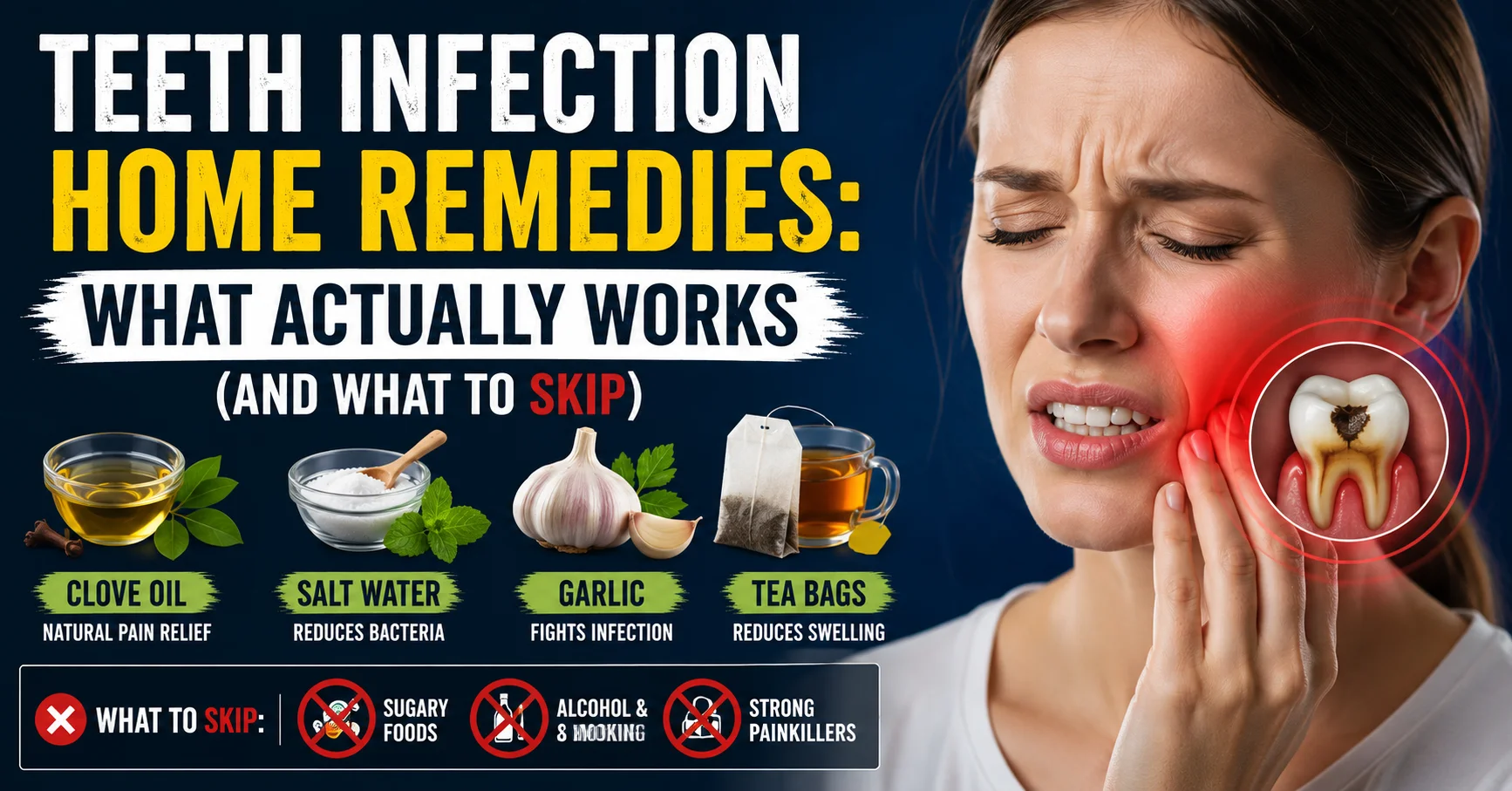
Here’s the good news: there are teeth infection home remedies that can ease your pain and slow things down while you get proper help. Many of these are already sitting in your kitchen or bathroom cabinet. I’ve put this guide together using real health information so you can feel confident about what you’re trying — and when to stop trying and go see a dentist. Let’s walk through it together.
What Is a Tooth Infection, Exactly?
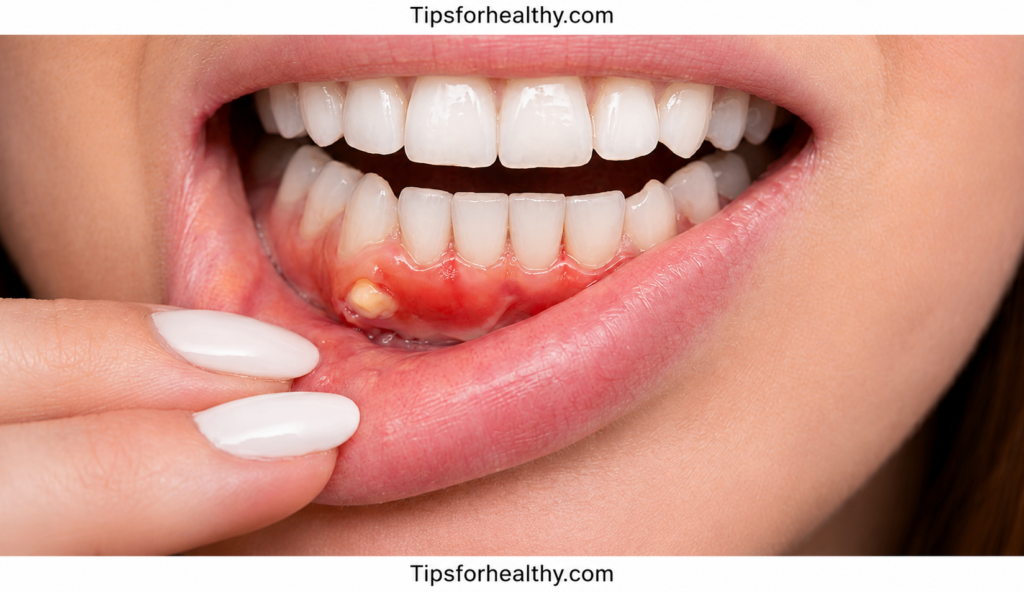
A tooth infection (also called a dental abscess) is a pocket of pus caused by bacteria. It usually starts in one of two places: inside the tooth itself (called a periapical abscess) or in the gum right next to the tooth root (called a periodontal abscess).
Bacteria can enter your tooth through a cavity that wasn’t treated, a cracked tooth, or gum disease. Once inside, they multiply fast. Your immune system sends white blood cells to fight them, and the battle creates pus — a mix of dead cells, bacteria, and fluid. That pus has nowhere to go. It builds up and causes pressure, which is why a tooth infection hurts so much.
Common signs of a tooth infection include: a severe, throbbing toothache; pain that spreads to your jaw, neck, or ear; swelling in your face or cheek; sensitivity to hot and cold; a bad taste in your mouth; and sometimes a fever. If you have swelling in your face or trouble swallowing or breathing, go to the emergency room right away. That is a sign the infection may be spreading.
Why Teeth Infection Home Remedies Aren’t a Cure
Before we go any further, let’s be very clear about something important: teeth infection home remedies do not cure an infection. They are not a replacement for antibiotics or dental treatment.
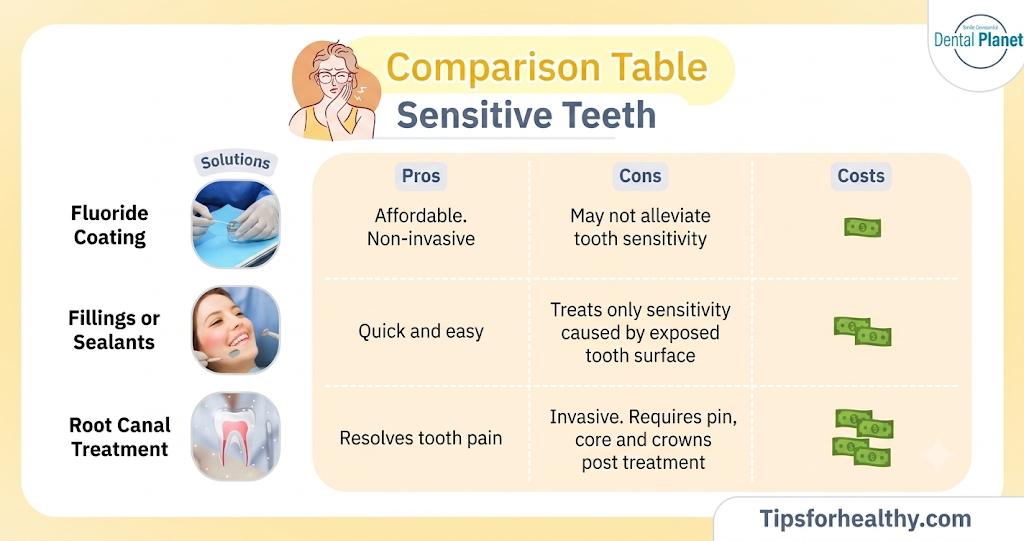
A real tooth infection needs real medical care. Dentists treat it by draining the abscess, doing a root canal, or removing the tooth entirely. In some cases, they prescribe antibiotics. Home remedies can help manage pain and discomfort in the short term. They may even slow the spread of bacteria. But they cannot kill the source of the infection or remove the pus.
Think of it this way. If you had a splinter deep in your finger that was getting infected, you wouldn’t just put cream on it and hope for the best. You’d get it out. The same idea applies to a tooth infection. Use home remedies to get through the pain while you arrange to see a dentist. Don’t use them as an excuse to avoid the dentist altogether.
Salt Water Rinse: The Simplest Remedy That Actually Helps
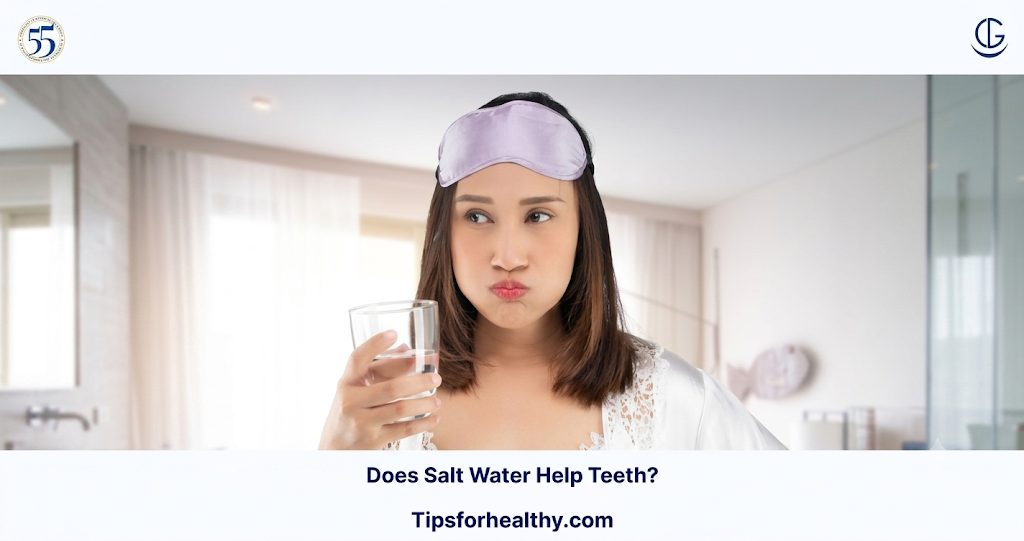
Let’s start with the most basic and most proven remedy: a warm saltwater rinse. This is something almost every dentist will suggest. It’s safe, cheap, and it works — not to kill the infection, but to keep the area clean and reduce irritation.
Salt water creates an environment that bacteria don’t love. It also helps reduce inflammation in the gum tissue and can draw some of the fluid out of swollen areas, giving you a little relief. Mix about half a teaspoon of table salt into eight ounces of warm water. Swish it gently around your mouth for 30 to 60 seconds, then spit it out. Do this two to three times a day, especially after meals.
Don’t swallow it — saltwater rinses are for swishing, not drinking. Also, be gentle. If you swish too hard, you can aggravate the area. This is one of the safest teeth infection home remedies you can try and a great starting point while you figure out your next steps.
Clove Oil: Nature’s Toothache Numbing Agent
Clove oil has been used for toothache pain for centuries, and there’s actually solid science behind it. It contains a compound called eugenol, which is a natural anesthetic and antiseptic. Eugenol is so effective that dentists actually use it in some dental procedures and temporary fillings.
For home use, you can apply clove oil directly to the affected area using a cotton ball or a clean fingertip. Put just a small amount — one or two drops — on the cotton ball and hold it gently against the sore tooth and gum for about 15 to 20 minutes. You should feel a numbing sensation fairly quickly. Some people also chew on whole cloves, which releases small amounts of eugenol naturally.
Be careful not to use too much clove oil. It can irritate your gums and the soft tissue inside your mouth if applied in large amounts. Also, keep it away from children — swallowing a large amount of clove oil can be harmful. Used carefully, though, this is one of the more powerful teeth infection home remedies for pain relief.
Garlic: The Smelly Superhero of Home Remedies
Garlic has real antimicrobial properties. It contains a compound called allicin, which forms when garlic is crushed or chewed. Studies have shown that allicin can fight certain types of bacteria, including some of the bacteria linked to dental infections.
Using garlic for a tooth infection is simple. Crush a fresh clove of garlic to release the allicin, then hold it against the painful tooth. You can also mix crushed garlic with a pinch of salt to make a paste and apply it to the area. Let it sit for a few minutes, then rinse your mouth with warm water.
Is garlic going to cure your infection? No. But it may help slow bacterial growth and give you some mild pain relief due to its natural anti-inflammatory effects. And honestly, in a pinch, it’s one of the most accessible teeth infection home remedies out there. Just be ready for garlic breath — it’s a real side effect.

Hydrogen Peroxide Rinse: Use It Carefully
A diluted hydrogen peroxide rinse is another option you might hear about. Hydrogen peroxide is a disinfectant that can kill bacteria on contact. When used in the mouth, it can help reduce the number of harmful bacteria and clean the infected area.
The key word here is diluted. Never use hydrogen peroxide straight from the bottle in your mouth. Mix equal parts of 3% hydrogen peroxide (the kind sold in pharmacies) with water. Swish it around gently for about 30 seconds, then spit it all out. Do not swallow any of it.
This rinse can reduce bacteria and may help with the bad taste that often comes with a tooth infection. Some people notice a mild foaming action — that’s normal. However, you shouldn’t use this remedy more than once or twice a day, and don’t use it long-term. For short-term relief as part of your set of teeth infection home remedies, it can be useful.
Cold Compress: Your Friend for Swelling and Pain
If your face is swollen from a tooth infection, a cold compress can bring real relief. Cold slows blood flow to the area, which reduces swelling and numbs the pain. It won’t fight the infection itself, but it can make you much more comfortable while you wait for your dentist appointment.
Wrap some ice in a clean cloth or use a bag of frozen peas. Place it against your cheek over the swollen area. Hold it there for 15 to 20 minutes, then take a break for at least 20 minutes before applying it again. Never put ice directly on your skin — it can cause frostbite if left on too long.
Alternating between cold and warm compresses can also help. Some people find that warmth (like a heating pad on low) helps relax the muscles around a tight, painful jaw. Cold first, warm second — experiment to see what works for you. This is one of the most physically soothing teeth infection home remedies you can use at home.

Peppermint Tea Bags: A Soothing Option
Used peppermint tea bags are a surprisingly effective way to soothe tooth pain. Peppermint contains menthol, which has mild numbing and antibacterial properties. The tannins in the tea bag can also help reduce swelling.
Brew a cup of peppermint tea, remove the tea bag, and let it cool slightly — you want it warm, not hot. Place the warm tea bag against the painful tooth and gum area. Hold it in place for a few minutes. Alternatively, let the tea bag cool completely and even chill it in the freezer for a cold soothing effect.
This won’t fight the bacteria causing your infection, but it can calm the pain and reduce some irritation. It’s one of the gentlest teeth infection home remedies, which makes it a good option if your gums are already sensitive or irritated from swelling.
Thyme Essential Oil: An Underrated Remedy
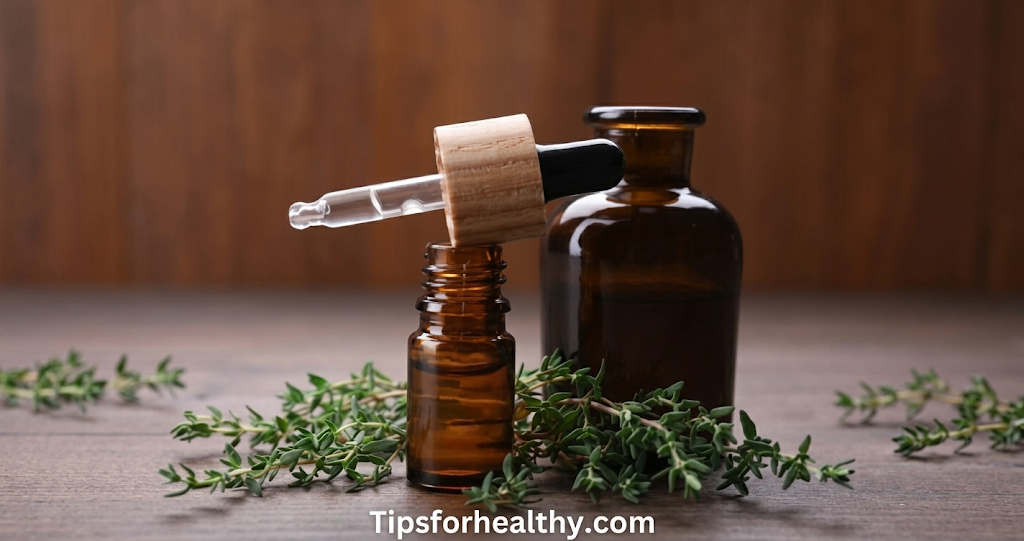
Thyme oil isn’t as well-known as clove oil for dental issues, but it has real antibacterial properties. It contains thymol, a compound with proven antimicrobial activity. Some research suggests thymol can fight the types of bacteria found in dental infections.
To use thyme oil, dilute a few drops in a carrier oil like olive oil or coconut oil before applying it to your gum. Never apply essential oils directly to your mouth without diluting them first — they are very concentrated and can burn. You can also add a drop to a glass of water and use it as a mouth rinse.
Thyme is a bit harder to find in some homes, but if you have it, it’s worth trying as a supporting remedy. Combined with a saltwater rinse and clove oil, it can be part of a broader pain-relief routine using natural teeth infection home remedies.
Over-the-Counter Pain Relievers: Don’t Overlook These
While we’re focused on natural remedies, it’s worth mentioning that over-the-counter pain medications are also part of managing tooth infection discomfort at home. Ibuprofen (like Advil or Motrin) is especially helpful because it reduces both pain and inflammation. Acetaminophen (like Tylenol) helps with pain but not inflammation.
Follow the dosage on the package. Don’t take more than directed. If you can’t take ibuprofen for health reasons, acetaminophen is a safe alternative for most people. Some people also find that alternating the two provides better relief than taking either one alone — but check with a pharmacist or doctor first before doing this.
These aren’t “home remedies” in the herbal sense, but they are accessible, affordable, and effective. Used together with natural teeth infection home remedies, they can help you manage the pain more effectively while you arrange dental care.
Comparison Table: Teeth Infection Home Remedies at a Glance
| Remedy | Pain Relief | Antibacterial? | Ease of Use | Safety |
|---|---|---|---|---|
| Salt Water Rinse | Moderate | Mild | Very Easy | Very Safe |
| Clove Oil (Eugenol) | Strong | Yes | Easy | Safe (use small amounts) |
| Garlic (Allicin) | Mild | Yes | Easy | Safe |
| Hydrogen Peroxide Rinse | Mild | Yes | Easy | Safe (must dilute) |
| Cold Compress | Strong | No | Very Easy | Very Safe |
| Peppermint Tea Bag | Mild | Mild | Very Easy | Very Safe |
| Thyme Essential Oil | Mild | Yes | Moderate | Safe (must dilute) |
| Ibuprofen/Acetaminophen | Strong | No | Very Easy | Safe (follow dosage) |
When to Stop Relying on Home Remedies and See a Dentist
Home remedies can help you get through a rough night or a long weekend, but they are never a long-term plan. A tooth infection is a medical emergency in some cases. Here are clear signs that you need professional care right away and shouldn’t wait any longer.
See a dentist or go to urgent care if:
- Your face is visibly swollen, especially around your eye or neck
- You have a fever over 101°F (38.3°C)
- You have trouble opening your mouth, swallowing, or breathing
- The pain has been getting worse for more than two days
- You feel generally unwell, dizzy, or confused
A spreading dental infection can become life-threatening. Ludwig’s angina, for example, is a severe infection of the floor of the mouth that can block the airway. This is rare but it happens. Don’t let things get to that point. Teeth infection home remedies are tools for short-term relief — not substitutes for a dentist’s care.
What to Expect at the Dentist
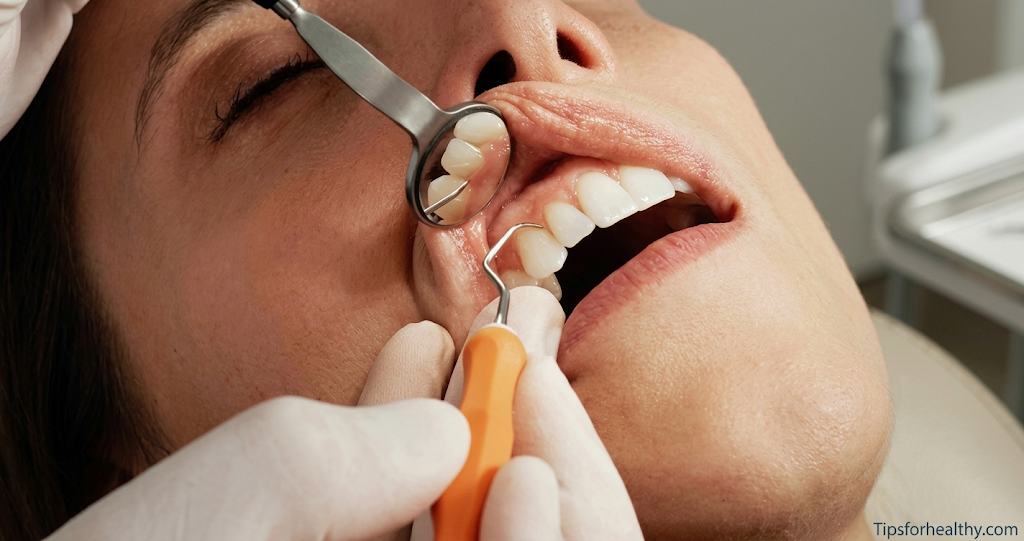
Many people avoid going to the dentist because they’re afraid of the treatment. Let’s walk through what typically happens so it feels less scary. When you go in with a tooth infection, your dentist will first take an X-ray to see how bad the infection is and where it’s located.
From there, the most common treatments are: drainage of the abscess (the dentist makes a small cut to let the pus drain out, which brings almost immediate relief); a root canal (where the infected pulp inside the tooth is removed and the tooth is cleaned and sealed — this usually saves the tooth); or tooth extraction (removing the tooth entirely if it can’t be saved). Your dentist may also prescribe antibiotics, especially if the infection has spread beyond the tooth itself.
Most of these procedures are done under local anesthesia, so you won’t feel pain during treatment. The relief after draining an abscess is remarkable — most people feel significantly better within hours. Going to the dentist isn’t the scary part. The scary part is waiting too long.
Warning Signs Table: Home Remedy vs. Emergency Care
| Symptom | Home Remedy Okay? | See a Dentist/ER? |
|---|---|---|
| Mild to moderate toothache | Yes — manage with remedies | Yes — schedule an appointment |
| Swelling limited to the gum | Yes — monitor closely | Yes — within 24-48 hours |
| Facial or neck swelling | No | Go immediately |
| Fever over 101°F | No | Go immediately |
| Difficulty swallowing/breathing | No | Emergency room NOW |
| Bad taste / pus in mouth | Rinse with salt water | See dentist same day |
| Pain spreading to jaw/ear | Use ibuprofen temporarily | See dentist as soon as possible |
6 Frequently Asked Questions About Teeth Infection Home Remedies
1. Can teeth infection home remedies actually cure a tooth abscess?
No, they cannot. Home remedies are for pain relief and slowing bacterial growth. They cannot remove the source of the infection, drain the abscess, or replace the need for dental treatment. Think of them as a bridge — something that helps you get to the dentist, not something that replaces the dentist. A tooth abscess that isn’t treated properly can spread to other parts of your body and become dangerous.
2. How long is it safe to use home remedies before seeing a dentist?
If your symptoms are mild and you truly cannot access a dentist right away, home remedies may help for one to two days. But you should be actively trying to get an appointment during that time. If your pain is worsening, you develop a fever, or swelling appears on your face, stop waiting and go to urgent care or an emergency room immediately. Time matters with infections.
3. Is it okay to put clove oil directly on a tooth?
Yes, in small amounts. Clove oil is safe for short-term use on teeth and gums. Use a cotton ball and apply one to two drops directly to the area. Avoid getting it on large areas of gum tissue or swallowing it. Overuse can cause irritation. It’s one of the most effective teeth infection home remedies for numbing pain, but use it carefully.
4. Will pulling my tooth at home stop the infection?
Absolutely not — and please don’t try this. Attempting to remove a tooth at home can cause severe injury, push bacteria deeper into tissue, and make the infection much worse. This is not a safe remedy under any circumstances. If you’re in severe pain, seek emergency dental care or go to an urgent care clinic.
5. Can I use mouthwash for a tooth infection?
Antiseptic mouthwash — especially one containing chlorhexidine — can help reduce bacteria in the mouth. It’s a helpful addition to your routine but, like all teeth infection home remedies, it cannot treat the underlying infection. Use it as directed and in addition to, not instead of, getting professional care.
6. What foods and drinks should I avoid with a tooth infection?
Avoid very hot or very cold foods and drinks, as these can increase sensitivity and pain. Stay away from sugary foods and drinks, which feed bacteria. Hard or crunchy foods can put pressure on the infected tooth and make pain worse. Stick to soft, lukewarm foods like yogurt, soup, mashed potatoes, and oatmeal while you’re dealing with an infection.
Conclusion: Home Remedies Help, But Dentists Heal
If you’re reading this at 3 AM with a pounding toothache, first of all — I’m sorry. Tooth infections are genuinely miserable. But the good news is that help is available, both right now at home and through professional care.
Start with a warm salt water rinse. Try clove oil for numbing. Use ibuprofen for pain and swelling. Put a cold compress on your cheek. These teeth infection home remedies are your short-term allies. They can help you sleep, eat, and function while you get to the dentist.
But please, don’t stop there. Make that dental appointment. Describe your symptoms honestly. Let your dentist do what they’re trained to do. A tooth infection that gets treated properly is a problem solved. One that’s ignored with home remedies alone can become something much more serious.
You deserve to be out of pain — for real, not just temporarily. Use these remedies to bridge the gap, and then let a professional get to the root of the problem. (Pun fully intended.)
