

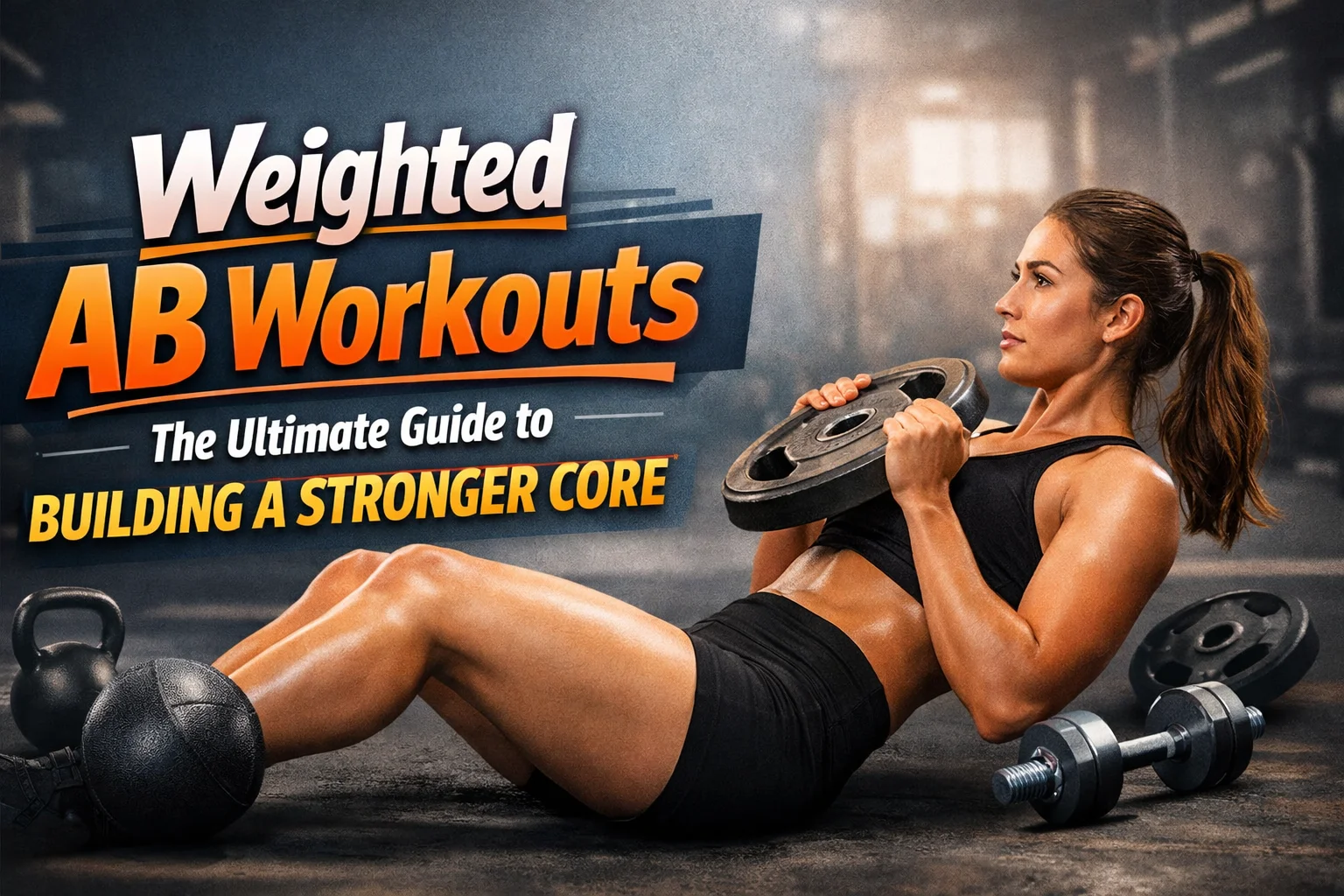
A strong core does much more than help you look fit. Your abs support your back, improve posture, and help your whole body move better. Many people start with basic crunches and planks, but after some time, bodyweight exercises stop giving the same results. That is where weighted ab workouts can make a big difference.
Adding resistance to your core training helps build stronger muscles faster. It also increases endurance and improves athletic performance. Whether you are new to fitness or already active, weighted core exercises can help you take your training to the next level.
In this guide, you will learn everything about weighted ab workouts, including their benefits, the best exercises, common mistakes, workout plans, and safety tips. You will also discover how to train your abs correctly without hurting your back or overtraining your muscles.
What Are Weighted Ab Workouts?
Weighted ab workouts are core exercises done with extra resistance. This resistance may come from dumbbells, kettlebells, medicine balls, resistance bands, weight plates, or cable machines. The added weight forces your abdominal muscles to work harder than they do during normal bodyweight exercises.
Many people believe abs only need high repetitions. In reality, your core muscles respond well to progressive overload, just like your chest, arms, or legs. Adding weight helps increase muscle strength and definition over time.
For example, a regular crunch works your abs, but a weighted crunch creates more tension and resistance. This leads to stronger muscle fibers and better core stability. Over time, these exercises can improve both appearance and performance.
Weighted training also helps challenge deeper core muscles that support balance and spinal stability. That is why athletes often include weighted ab workouts in their regular training programs.
Benefits of Weighted Ab Workouts
One major benefit of weighted ab workouts is increased strength. A stronger core helps you move better during daily tasks and workouts. Lifting groceries, running, jumping, and even sitting with proper posture all become easier with a strong core.
Another big advantage is muscle growth. Weighted exercises help build thicker abdominal muscles. If your body fat is low enough, this can make your abs look more visible and defined.
These exercises also improve sports performance. Athletes need core power for twisting, sprinting, kicking, and balance. Strong abs transfer power between the upper and lower body more effectively.
Weighted core exercises may also help reduce back pain. Weak core muscles often place stress on the lower back. Strengthening the abs and surrounding muscles can improve spinal support and posture.
Many people notice better balance and coordination after adding resistance-based core training. Since your core connects almost every movement in the body, improving core stability helps nearly every physical activity.
Why Bodyweight Exercises Eventually Stop Working
Bodyweight exercises are excellent for beginners. They teach movement control and basic core strength. However, the body adapts quickly to repeated stress. After a while, doing endless crunches or planks no longer challenges your muscles enough.
This is called a training plateau. When your muscles stop facing new resistance, progress slows down. You may stop gaining strength or seeing physical changes.
Weighted ab workouts solve this problem by increasing resistance gradually. Just like lifting heavier weights builds stronger arms or legs, increasing core resistance develops stronger abdominal muscles.
For example, if regular sit-ups feel easy, holding a dumbbell during the movement forces the abs to work harder. This creates more muscle tension and encourages growth.
Adding resistance also saves time. Instead of doing hundreds of repetitions, you can achieve better results with fewer high-quality reps using added weight.
Best Equipment for Weighted Core Exercises
You do not need expensive gym machines to perform weighted core exercises. Many tools work well for home or gym training.
Dumbbells
Dumbbells are one of the easiest tools to use. You can hold them during crunches, Russian twists, or sit-ups. Adjustable dumbbells are especially helpful because you can increase resistance slowly.
Medicine Balls
Medicine balls are perfect for twisting and explosive movements. They are commonly used for rotational exercises and partner workouts.
Kettlebells
Kettlebells challenge both strength and balance. Their unique shape makes movements like carries and twists more demanding for the core.
Cable Machines
Cable machines provide constant tension during movements. Exercises like cable crunches and woodchoppers work the abs through a full range of motion.
Weight Plates
Weight plates are simple but effective. Holding a plate during sit-ups or leg raises instantly increases difficulty.
Resistance bands can also help by adding tension while remaining easy on the joints. Many people mix several tools for better workout variety.
Weighted Crunches for Core Strength
Weighted crunches are one of the most popular weighted ab workouts. They mainly target the upper abdominal muscles while adding extra resistance.
To perform this exercise, lie on your back with your knees bent. Hold a weight plate or dumbbell against your chest. Slowly lift your shoulders off the floor while tightening your abs. Lower yourself with control.
The key is slow movement and proper breathing. Many people rush through crunches and use momentum instead of muscle control. Focus on squeezing your abs during every repetition.
Weighted crunches help build stronger abdominal muscles quickly. Beginners should start with light resistance and increase weight gradually.
A personal trainer once shared that most clients feel stronger core engagement within just two weeks of adding resistance crunches to their routine. Small changes often create big improvements.
Avoid pulling on your neck during the movement. Keep your gaze forward and let your abs do the work.
Russian Twists With Weight
Russian twists are excellent for training the obliques, which are the muscles along the sides of your waist. These muscles help with rotation and balance.
Sit on the floor with your knees bent and feet slightly raised. Hold a medicine ball, dumbbell, or weight plate with both hands. Lean back slightly and twist your torso from side to side.
The movement should come from your core, not just your arms. Slow and controlled rotations work best.
Weighted Russian twists improve athletic movement because many sports involve turning and twisting. Golf, baseball, boxing, and tennis all rely on rotational core power.
Many beginners feel this exercise mainly in their hips. That usually means they are moving too quickly or leaning too far back. Keeping the chest lifted helps maintain better form.
Start with light weights until your technique improves. Quality movement matters more than heavy resistance.
Weighted Leg Raises for Lower Abs
Lower abdominal muscles can be difficult to train effectively. Weighted leg raises help increase resistance and improve lower core strength.
Lie flat on a bench or mat. Hold a light dumbbell between your feet or use ankle weights. Slowly raise your legs until they point upward, then lower them carefully.
The lowering phase is especially important. Controlling the descent increases muscle tension and builds strength faster.
This exercise also strengthens hip flexors and improves lower-body stability. However, using too much weight can strain the lower back.
Keep your lower back pressed against the surface throughout the movement. If your back arches, reduce the resistance.
Many fitness coaches recommend starting without weights first. Once you can perform controlled repetitions easily, begin adding light resistance gradually.
Cable Crunches for Constant Tension
Cable crunches are one of the best weighted core exercises for continuous resistance. Unlike free weights, cables keep tension on the abs during the entire movement.
Kneel in front of a cable machine with a rope attachment. Hold the rope near your head and crunch downward while tightening your abs. Slowly return to the starting position.
The goal is not to pull with the arms. Instead, focus on bending through the core muscles.
Cable crunches allow easy progression because you can increase weight slowly over time. This makes them ideal for long-term strength development.
Gym trainers often use cable exercises because they provide smooth movement patterns and reduce momentum cheating.
Controlled breathing helps improve results. Exhale while crunching and inhale while returning to the start.
Weighted Planks for Stability
Planks already challenge the entire core. Adding weight increases the difficulty and improves stability even more.
To perform weighted planks, hold a plank position while placing a weight plate on your upper back. Keep your body straight and avoid sagging hips.
This exercise trains deep core muscles that support posture and spinal alignment. It also strengthens the shoulders and lower back.
Weighted planks are popular among athletes because they improve total-body stability. Many sports require the body to stay strong during movement and impact.
Beginners should master standard planks before adding resistance. Poor form with extra weight can increase injury risk.
A simple tip is to imagine pulling your belly button toward your spine. This activates the deep core muscles more effectively.
How Often Should You Train Abs?
Many people train abs every day, but this is usually unnecessary. Your abdominal muscles need recovery time just like other muscles.
Most fitness experts recommend weighted ab workouts two to four times weekly. This provides enough stimulation while allowing proper recovery.
Training intensity matters more than frequency. Short, focused workouts with good resistance often work better than endless daily exercises.
Recovery also depends on sleep, nutrition, and overall workout volume. If your abs stay sore constantly, you may need more rest.
Some athletes combine heavy core training with compound lifts like squats and deadlifts. These exercises naturally engage the core, reducing the need for excessive ab work.
Listening to your body is important. Strong abs develop through consistent training and recovery, not overtraining.
Common Mistakes During Weighted Ab Workouts
One common mistake is using too much weight too soon. Heavy resistance with poor form often shifts tension away from the abs and increases injury risk.
Another mistake is rushing through repetitions. Fast movements reduce muscle engagement and rely on momentum instead of strength.
Many people also forget to breathe correctly. Holding your breath creates unnecessary tension and may reduce exercise effectiveness.
Poor posture is another issue. Rounded shoulders or excessive neck pulling can cause discomfort during exercises like crunches.
Some people only train the front abs while ignoring deeper core muscles and obliques. Balanced core training should include twisting, stabilizing, and lower-core movements.
Finally, many expect visible abs from exercise alone. Nutrition plays a huge role in muscle definition. Even strong abs may stay hidden under body fat.
Nutrition Tips for Visible Abs
Weighted ab workouts build muscle, but nutrition helps reveal it. Eating balanced meals supports muscle growth and fat loss.
Protein is especially important because it repairs muscle tissue after training. Lean meats, eggs, fish, yogurt, beans, and protein shakes are good choices.
Healthy carbohydrates provide energy for workouts. Whole grains, fruits, vegetables, and oats help fuel performance.
Healthy fats also matter. Foods like nuts, avocado, olive oil, and seeds support hormone balance and recovery.
Hydration is another key factor. Drinking enough water helps muscle function and reduces bloating.
Many people see better results after reducing sugary drinks and processed snacks. Small dietary changes often improve body composition over time.
Visible abs require patience. Building muscle and reducing body fat both take consistent effort.
Beginner Weighted Ab Workout Routine
If you are new to weighted ab workouts, start with a simple plan. Focus on technique before increasing resistance.
Beginner Routine
- Weighted crunches – 3 sets of 12 reps
- Russian twists – 3 sets of 15 reps per side
- Weighted leg raises – 3 sets of 10 reps
- Plank – 3 rounds of 30 seconds
Rest for 45 to 60 seconds between sets. Train two or three times weekly.
This routine builds core strength without overwhelming beginners. After several weeks, you can increase resistance or add more exercises.
Consistency matters more than intensity in the beginning. Many people quit because they try advanced workouts too soon.
A steady routine combined with healthy eating often delivers better long-term results.
Advanced Weighted Core Workout
Experienced exercisers may benefit from higher intensity and more challenging movements.
Advanced Routine
- Cable crunches – 4 sets of 15 reps
- Weighted decline sit-ups – 4 sets of 12 reps
- Hanging weighted leg raises – 4 sets of 10 reps
- Weighted planks – 4 rounds of 60 seconds
- Medicine ball slams – 3 sets of 20 reps
This workout combines strength, endurance, and explosive power. It challenges the entire core from multiple angles.
Advanced athletes should focus heavily on recovery and form. Strong core muscles improve overall athletic performance, but overtraining may slow progress.
Are Weighted Ab Workouts Safe?
Yes, weighted ab workouts are generally safe when performed correctly. Proper technique and gradual progression are the keys to avoiding injury.
People with back problems should speak with a fitness professional or healthcare provider before starting heavy core training.
Warm-ups are important because tight muscles increase injury risk. Light cardio and mobility exercises prepare the body for movement.
Avoid jerking motions or excessive spinal bending. Smooth and controlled repetitions protect the lower back.
Using lighter weights with good form is always better than heavy weights with poor technique.
Most injuries happen because people ignore pain or progress too quickly. Smart training leads to safer and better long-term results.
The Mental Benefits of Core Training
Many people focus only on physical benefits, but weighted core exercises also support mental wellness.
Exercise helps reduce stress and improve mood. Core training requires focus and body awareness, which can improve concentration.
Achieving fitness goals also builds confidence. Small improvements in strength often motivate people to stay consistent with healthy habits.
Many people report better posture and energy levels after improving core strength. Feeling physically stronger often improves mental resilience too.
Even short workouts can create a sense of accomplishment during busy days. That mental boost matters just as much as physical progress.
Conclusion
Weighted ab workouts are one of the best ways to build a stronger, more stable core. Adding resistance helps your muscles grow, improves athletic performance, and supports better posture and balance.
The key to success is consistency, proper form, and gradual progression. You do not need extremely heavy weights or complicated routines. Simple exercises performed correctly often deliver the best results.
Whether you are a beginner or advanced athlete, weighted core exercises can help improve both strength and confidence. Combine smart training with healthy nutrition and enough recovery for the best long-term results.
Start slowly, stay patient, and focus on quality movement. Over time, your core will become stronger, more stable, and better prepared for everyday life and fitness challenges.
FAQs About Weighted Ab Workouts
Are weighted ab workouts better than regular ab exercises?
Weighted ab workouts often provide faster strength gains because they increase resistance. They also help muscles grow more effectively than bodyweight exercises alone.
Can beginners do weighted core exercises?
Yes, beginners can safely perform weighted core exercises using light resistance. Starting slowly and focusing on proper form is very important.
How long does it take to see results?
Most people notice stronger core muscles within four to six weeks. Visible abs may take longer depending on body fat levels and nutrition.
Do weighted ab workouts burn belly fat?
These exercises strengthen abdominal muscles, but fat loss depends mostly on overall calorie balance, exercise, and healthy eating habits.
Should I train abs every day?
Daily heavy ab training is usually unnecessary. Most people get better results by training abs two to four times weekly.
What weight should I start with?
Start with a light weight that allows controlled movement. Increase resistance gradually as your strength improves.
