

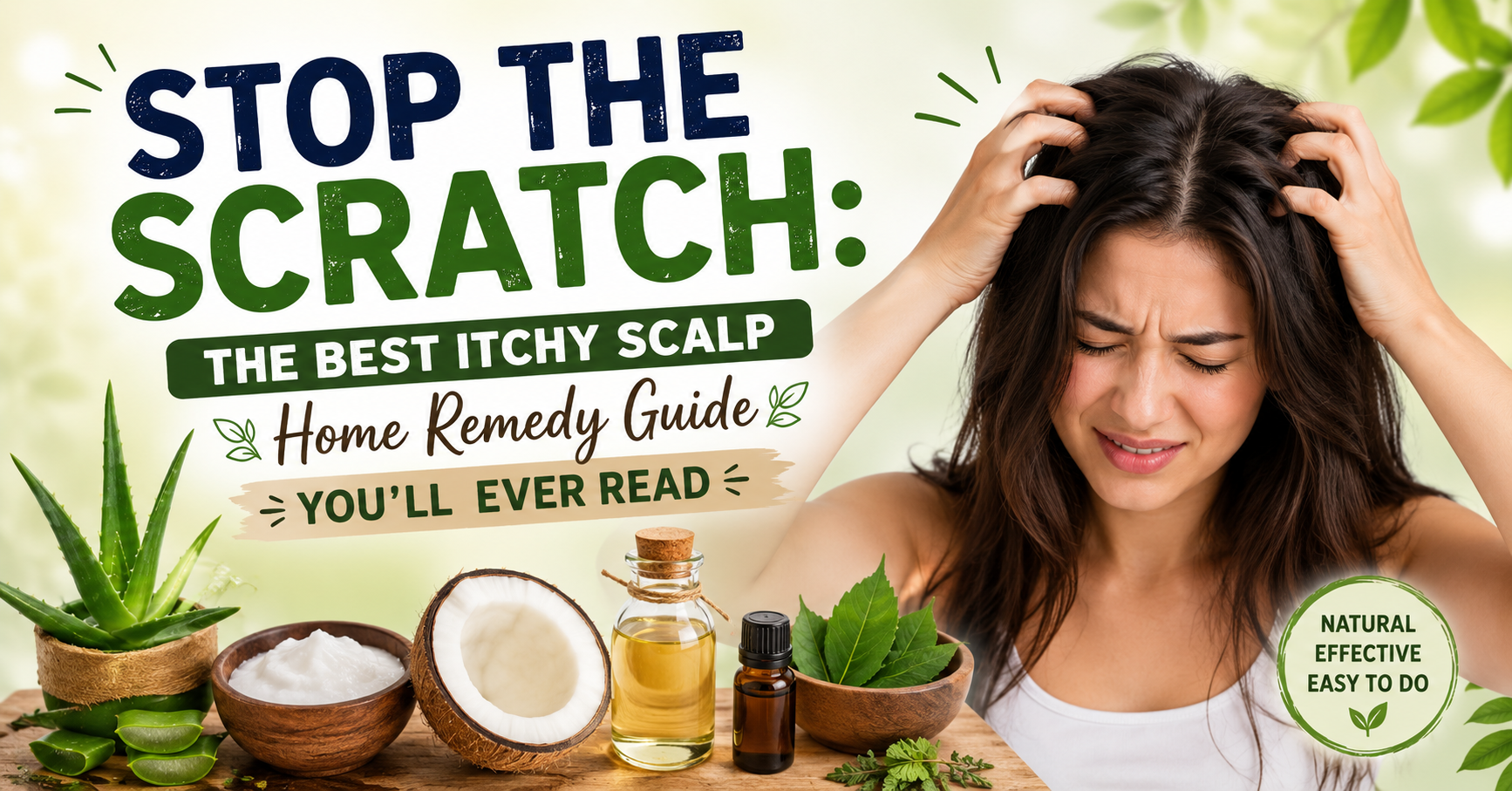
Does your scalp itch so badly that you just can’t stop scratching? You’re not alone. Millions of people deal with scalp irritation every single day. The good news? You don’t always need a fancy salon treatment or expensive prescription. Many powerful solutions are already sitting in your kitchen or bathroom cabinet. This guide gives you the most effective itchy scalp home remedy options available — backed by real understanding of what causes the itch in the first place
We’ll walk through the causes, the best natural fixes, what to avoid, and how to build a simple scalp care routine that keeps itching away for good. Whether your scalp is dry, flaky, oily, or just irritated, there’s something here for you.
Why Does Your Scalp Itch? Let’s Start There
Before you reach for any remedy, it helps to understand why your scalp itches. The cause matters a lot. An itchy scalp isn’t just one condition — it’s a symptom that can point to several different problems.
Dandruff is the most common culprit. It happens when a yeast-like fungus on the scalp grows out of control. This causes the skin to shed too fast, creating those white flakes we all dread. Dry scalp is different — it happens when your skin just doesn’t have enough moisture, often due to cold weather, harsh shampoos, or dehydration. Seborrheic dermatitis is a more severe form of dandruff. It causes red, scaly patches that can feel greasy and itchy. Product buildup, allergic reactions, psoriasis, and even stress can also make your scalp itch badly. Knowing your cause helps you pick the right itchy scalp home remedy from the start.
Apple Cider Vinegar: The Classic Scalp Soother
Apple cider vinegar (ACV) has been a go-to itchy scalp home remedy for generations — and there’s good reason for that. ACV is naturally acidic. Your scalp has a slightly acidic pH, and harsh shampoos or products can throw that balance off. ACV helps restore it.
ACV also has natural antifungal and antibacterial properties. This means it can help fight the fungus that causes dandruff. To use it, mix equal parts raw apple cider vinegar and water in a spray bottle. After shampooing, spray it onto your scalp and let it sit for five to ten minutes. Then rinse it out thoroughly with cool water. Do this two to three times a week for best results. Be careful if you have cuts or broken skin — ACV can sting. And don’t use it undiluted, as it can irritate sensitive skin. Many people notice less itching within just a week or two of regular use.
| ACV Rinse Guide | Details |
|---|---|
| Best for | Dandruff, product buildup, pH imbalance |
| Mix ratio | 1 part ACV : 1 part water |
| Leave on | 5–10 minutes |
| Frequency | 2–3 times per week |
| Who should avoid | Those with open scalp wounds or very sensitive skin |
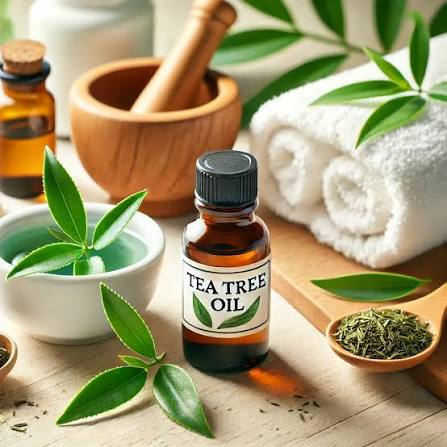
Tea Tree Oil: Nature’s Antifungal Powerhouse
If there’s one oil that dermatologists and natural health fans both agree on, it’s tea tree oil. It’s one of the most well-researched itchy scalp home remedy options out there. Studies have shown that tea tree oil can reduce dandruff by up to 41% when used consistently. It works because it has strong antifungal, antibacterial, and anti-inflammatory properties all in one.
You should never apply tea tree oil directly to your scalp without diluting it first. It’s very potent. Mix 10 drops of tea tree essential oil into two tablespoons of a carrier oil like coconut oil, jojoba oil, or olive oil. Massage this blend gently into your scalp. Leave it on for at least 30 minutes, or even overnight if you can. Then wash it out with a mild shampoo. You can also add a few drops of tea tree oil to your regular shampoo bottle and use it every wash. Either way, this natural remedy can calm inflammation, kill fungus, and bring real relief from scalp itching fast.
Coconut Oil: Deep Moisture for a Dry, Itchy Scalp
Coconut oil is one of the most beloved itchy scalp home remedy choices, especially for people dealing with dryness. If your scalp feels tight, flaky, or rough, coconut oil might be your best friend. It’s packed with lauric acid, which has natural antifungal and antimicrobial properties. But beyond fighting germs, it simply moisturizes deeply.
Warm a small amount of coconut oil between your palms until it melts. Then section your hair and apply the oil directly to your scalp using your fingertips. Massage it in with gentle circular motions for five to ten minutes. This also helps boost blood circulation to the scalp, which supports healthy hair growth as a bonus. Leave it on for at least an hour, then shampoo it out. For very dry scalps, you can leave it overnight with a shower cap. Use this treatment once or twice a week. If your hair tends to get greasy easily, stick to roots-only application and wash it out within a few hours.
Aloe Vera: The Cooling Itch Eraser
Aloe vera is one of the gentlest but most effective options when you need an itchy scalp home remedy that soothes fast. The clear gel inside aloe vera leaves has incredible anti-inflammatory, antifungal, and moisturizing properties. It’s used in so many skincare products for good reason — it works beautifully on irritated skin, including your scalp.
If you have an aloe plant at home, just cut a fresh leaf and scoop out the gel with a spoon. Apply it directly to your scalp and leave it on for 30 minutes before rinsing. If you don’t have a plant, store-bought pure aloe vera gel works too — just make sure it doesn’t have added alcohol or artificial fragrance, which can make itching worse. Aloe vera is especially helpful if your scalp is red, inflamed, or reacting to a harsh product. It cools the irritation almost instantly. Use it two to three times a week until your scalp calms down. Many people also mix it with a few drops of tea tree oil for extra antifungal power.
Baking Soda: The Gentle Scalp Exfoliant
You might think of baking soda as just a kitchen staple, but it’s actually a surprisingly effective itchy scalp home remedy when used carefully. Baking soda acts as a mild exfoliant. It helps remove dead skin cells, product buildup, and excess oil that can clog hair follicles and cause itching. It also has some antifungal properties.
To use it, mix two tablespoons of baking soda with enough water to form a thick paste. Apply the paste to your wet scalp and massage gently for a few minutes. Then leave it on for five minutes and rinse thoroughly. Don’t leave it on longer than that, and don’t use it more than once a week. Baking soda is alkaline, which means it can temporarily raise your scalp’s pH if overused. If you use ACV afterward as a rinse, it can help rebalance the pH again. This combination is actually very popular in the natural hair care world. Just remember — less is more with baking soda. It’s a short-term fix rather than an everyday solution.
| Natural Remedy Comparison | Best For | Application Time | Frequency |
|---|---|---|---|
| Apple Cider Vinegar | Dandruff, pH balance | 5–10 min rinse | 2–3x per week |
| Tea Tree Oil (diluted) | Fungal issues, oiliness | 30 min–overnight | 2x per week |
| Coconut Oil | Dry, flaky scalp | 1 hour–overnight | 1–2x per week |
| Aloe Vera | Inflammation, redness | 30 minutes | 2–3x per week |
| Baking Soda | Buildup, mild exfoliation | 5 minutes | Once a week |
Onion Juice: The Stinky Scalp Savior (It Really Works)
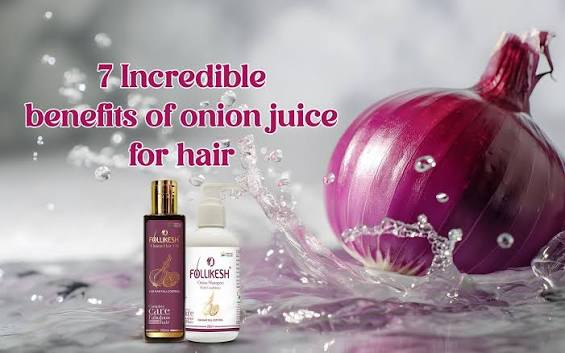
Okay, it doesn’t smell great. But onion juice is one of those itchy scalp home remedy options that people swear by — and the science supports it too. Onions are rich in sulfur, which helps reduce inflammation and fight the bacteria and fungi that can irritate the scalp. Sulfur also supports keratin production, which means your hair may actually grow thicker and stronger as a bonus.
To make onion juice, blend one medium onion and strain the pulp through a clean cloth or cheesecloth. Apply the juice directly to your scalp using a cotton ball or your fingers. Let it sit for 30 to 60 minutes, then wash your hair with a gentle shampoo. You may need to shampoo twice to get the smell out. Repeat this two to three times a week for a few weeks to see noticeable improvement. The smell is the biggest downside, so many people prefer to do this treatment on days they’re staying home. Mix in a few drops of peppermint or lavender essential oil to help with the odor while adding extra scalp-soothing benefits.
Witch Hazel: The Underrated Anti-Itch Toner
Witch hazel is often overlooked when people think about scalp care, but it deserves a spot on this list. This plant-based astringent is a fantastic itchy scalp home remedy, especially if your scalp is oily, irritated, or inflamed. Witch hazel tightens pores, reduces excess sebum, and calms inflammation without drying the skin out too much.
You can find witch hazel at most pharmacies for just a few dollars. Apply it to your scalp using a cotton pad or spray bottle after washing your hair. Let it air dry — no need to rinse it out. It absorbs quickly and leaves no residue. Witch hazel is especially helpful for people who get scalp pimples or bumps along with itching. It’s also great between washes to keep the scalp fresh and calm. Choose an alcohol-free version if your scalp is on the drier or more sensitive side. If you have a very dry scalp, pair witch hazel with a light moisturizing oil afterward.
Diet and Hydration: Healing the Itch from the Inside
Not many people realize this, but what you eat and drink has a direct effect on your scalp health. No itchy scalp home remedy works as well if you’re dehydrated or deficient in key nutrients. Your scalp is skin — and skin needs proper nutrition to stay healthy and itch-free.
Drink at least eight glasses of water per day. Dehydration is one of the most common (and overlooked) causes of a dry, itchy scalp. Eat foods rich in omega-3 fatty acids like salmon, walnuts, flaxseeds, and chia seeds. These healthy fats help keep your scalp moisturized from within. Zinc is another important nutrient for scalp health — low zinc levels are linked to dandruff. Good sources include pumpkin seeds, chickpeas, and lean meats. Vitamin B deficiencies can also cause scalp irritation. Load up on leafy greens, eggs, and whole grains. And cut back on sugar and processed foods, which can fuel inflammation and make scalp conditions worse. A healthy gut means healthier skin — including your scalp.
| Nutrients for a Healthy Scalp | Food Sources | Why It Helps |
|---|---|---|
| Omega-3 Fatty Acids | Salmon, walnuts, flaxseeds | Moisturizes scalp from within |
| Zinc | Pumpkin seeds, chickpeas, beef | Reduces dandruff, supports cell renewal |
| Vitamin B complex | Eggs, leafy greens, whole grains | Prevents flakiness, reduces irritation |
| Vitamin E | Almonds, sunflower seeds, avocados | Antioxidant protection for scalp skin |
| Water | Plain water, herbal teas | Prevents dryness and tightness |
Shampoo Habits That Make Itching Worse
Using the wrong shampoo — or using it wrong — can completely undo the benefits of any itchy scalp home remedy you try. A lot of people unknowingly keep irritating their scalps through their washing routine. Let’s fix that.
First, check your shampoo ingredients. Avoid products with sulfates (like sodium lauryl sulfate), parabens, synthetic fragrances, and alcohol. These ingredients strip your scalp’s natural oils and can trigger or worsen dryness and irritation. Switch to a gentle, sulfate-free shampoo formulated for sensitive scalps. Second, don’t overwash. Washing every single day removes the natural oils your scalp needs to stay healthy. Most people do well washing two to three times a week. Third, rinse thoroughly. Leftover shampoo or conditioner on the scalp causes buildup and itching. Use cool or lukewarm water — hot water dries out your scalp fast. And finally, apply conditioner only from mid-length to ends, never directly on the scalp unless it’s a scalp-specific product.
Stress, Sleep, and Scalp Health: The Connection You Can’t Ignore
Here’s something most people don’t expect: your mental health plays a huge role in scalp itching. Stress doesn’t just affect your mood — it affects your skin too. Chronic stress increases the production of cortisol, a hormone that can trigger inflammation throughout your body, including your scalp. This can worsen dandruff, psoriasis, and seborrheic dermatitis dramatically.
Sleep deprivation compounds the problem. When you’re not sleeping enough, your body can’t repair its skin cells properly. Your immune system also weakens, making it easier for fungi and bacteria to cause scalp problems. So while a good itchy scalp home remedy is important, don’t underestimate the power of rest and stress reduction. Try adding a short meditation or breathing exercise to your evening routine. Aim for seven to nine hours of sleep. Even a gentle 10-minute scalp massage before bed can work double duty — it reduces stress AND stimulates circulation in the scalp. Don’t skip this step. Sometimes the best remedy isn’t in a bottle.
When to See a Doctor Instead of Using Home Remedies
Home remedies are wonderful. But they’re not the answer to everything. It’s important to know when your itchy scalp needs professional attention. If you’ve been using a consistent itchy scalp home remedy routine for four to six weeks with no improvement, it’s time to see a dermatologist.
Also watch out for these warning signs: severe redness or swelling, open sores or wounds on the scalp, sudden or significant hair loss, yellow or green crusts that look infected, or scalp itching that keeps you awake at night. These could be signs of scalp psoriasis, ringworm (tinea capitis), a severe allergic reaction, or a bacterial infection — all of which need medical treatment. A dermatologist can do a scalp analysis, identify your exact condition, and prescribe medicated shampoos or treatments if needed. There’s no shame in asking for help. Home remedies are a great starting point, but a doctor is the expert.
| Signs It’s Time to See a Doctor | Possible Condition |
|---|---|
| No improvement after 4–6 weeks of home care | May need prescription treatment |
| Yellow/green crusts or pus | Possible bacterial infection |
| Hair thinning or patchy loss | Alopecia or ringworm |
| Intense nighttime itching | Possible mites or psoriasis |
| Widespread redness and thick scales | Seborrheic dermatitis or psoriasis |
Build Your Own Weekly Scalp Care Routine
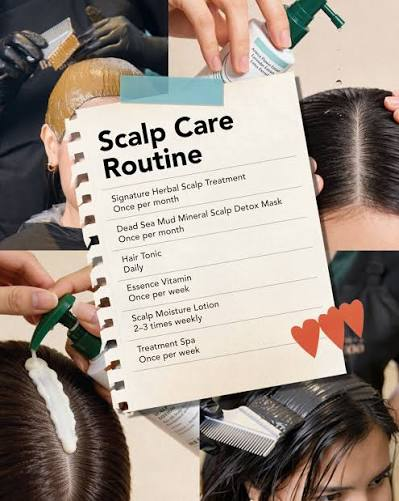
Now that you know all your options, let’s put it together into a simple weekly routine. This schedule takes the best itchy scalp home remedy options and organizes them so you’re not doing too much at once — which can actually irritate your scalp more.
Monday: Wash hair with a gentle sulfate-free shampoo. Do a diluted tea tree oil massage the night before and rinse in the morning.
Wednesday: Apply aloe vera gel to the scalp. Leave it for 30 minutes, then rinse with cool water. Spray an ACV rinse after shampooing.
Friday: Do a coconut oil deep conditioning treatment. Leave overnight, shampoo out in the morning.
Daily habits: Drink eight glasses of water. Eat one omega-3-rich food. Do a gentle two-minute scalp massage.
Weekly optional: Baking soda exfoliation (once a week max). Witch hazel scalp toning between wash days.
Stick with this for four to six weeks. You should notice a real difference in scalp comfort, reduced flaking, and less urge to scratch. Keep a simple journal to note which remedies feel best for your scalp type.
Frequently Asked Questions About Itchy Scalp Home Remedy
Q1: What is the fastest itchy scalp home remedy I can try right now?
The fastest option most people have at home is apple cider vinegar. Mix it with equal parts water and apply it to your scalp for 10 minutes. It quickly restores pH balance and reduces itching. Aloe vera gel is another instant option — it soothes and cools the scalp in minutes. For long-term results, a consistent routine works better than any single quick fix.
Q2: Can I use multiple remedies at the same time?
Yes, but don’t layer them all at once. Use one remedy per session. For example, you can do a coconut oil treatment one day and an ACV rinse another day. Mixing too many ingredients at once can overwhelm your scalp and cause new irritation. Start simple and add more once you know how your scalp responds.
Q3: Is itchy scalp the same as dandruff?
Not always. Itchy scalp can be caused by dandruff, but also by dry scalp, product buildup, allergic reactions, seborrheic dermatitis, psoriasis, or even stress. Dandruff shows white oily flakes. A dry scalp shows smaller, whiter, drier flakes. Identifying your actual cause helps you choose the right remedy.
Q4: How long does it take for home remedies to work on an itchy scalp?
Most people start to see results within two to four weeks of consistent use. Some remedies like aloe vera give quick comfort relief within minutes. But fully resolving underlying issues like dandruff or dryness takes a few weeks of regular treatment. Patience and consistency are key. Don’t give up after one use.
Q5: Can stress really cause scalp itching?
Absolutely. Stress increases cortisol, which triggers inflammation. This can flare up conditions like dandruff, seborrheic dermatitis, and psoriasis — all of which cause scalp itching. Many people notice their scalp gets much worse during stressful periods. Addressing stress through sleep, exercise, and relaxation is part of treating scalp issues naturally.
Q6: Is it safe to use tea tree oil directly on my scalp?
No — you should never apply tea tree oil directly without diluting it. It’s very concentrated and can cause burns or irritation. Always mix it with a carrier oil like coconut, jojoba, or olive oil before applying. A ratio of 10 drops of tea tree oil per two tablespoons of carrier oil is safe and effective for most people.
Conclusion: Take Back Control of Your Scalp Today
An itchy scalp doesn’t have to run your life. Whether you’re dealing with dandruff, dryness, buildup, or inflammation, the right itchy scalp home remedy can make a huge difference — and you probably already have what you need at home right now. From apple cider vinegar and tea tree oil to aloe vera, coconut oil, and simple dietary changes, natural scalp care is both affordable and effective.
The key is consistency. Try one or two remedies for a few weeks before deciding if they work. Build a simple weekly routine and stick to it. Pay attention to what your scalp is telling you. And if nothing helps after six weeks, don’t hesitate to see a dermatologist. You deserve a comfortable, healthy scalp — and it’s more achievable than you think.
Did one of these remedies work for you? Have a tip we didn’t mention? Drop a comment or share this article with someone who’s been scratching all day. Let’s help everyone find their perfect scalp solution!
