

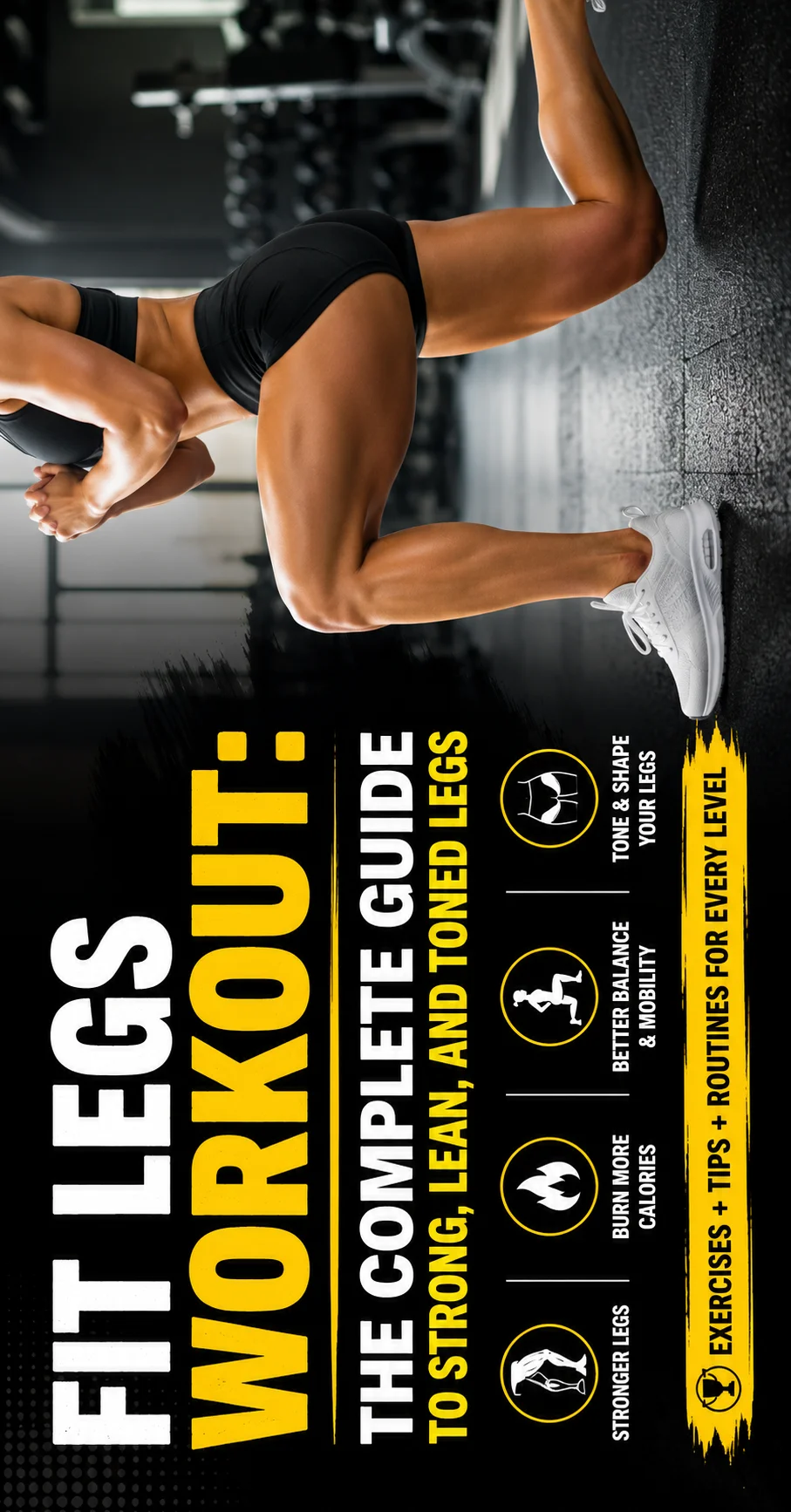
Strong legs do more than look good. They help you walk, run, jump, and stay active every day. A good fit legs workout can improve balance, build strength, and boost confidence. It also helps protect your knees and lower back from pain.
Many people think leg workouts are only for athletes or gym lovers. That is not true. Anyone can benefit from training their legs. Whether you are a beginner or already active, leg exercises can help you feel healthier and stronger.
I learned this after skipping leg day for months. My upper body became stronger, but my legs tired quickly when climbing stairs. Once I started doing a fit legs workout twice a week, my energy improved. Even daily tasks became easier.
This guide will help you understand the best exercises, workout tips, mistakes to avoid, and ways to stay motivated. Everything is explained in simple words so anyone can follow along.
Why a Fit Legs Workout Matters
Your legs contain some of the biggest muscles in your body. These muscles work hard every day. They support your body weight and help you move.
A fit legs workout helps strengthen muscles like the quadriceps, hamstrings, calves, and glutes. Strong leg muscles can improve posture and support healthy joints. They also help with sports and fitness activities.
Leg workouts can also burn many calories. Since leg muscles are large, they use more energy during exercise. This may help support healthy weight management.
Another great benefit is better balance. Many people fall or get injured because of weak legs. Simple exercises like squats and lunges can improve stability over time.
Strong legs also help the heart. Activities like walking lunges or step-ups raise your heart rate. This improves endurance and overall fitness.
Understanding the Main Leg Muscles
Before starting any fit legs workout, it helps to know the major leg muscles. Understanding them makes it easier to choose the right exercises.
The quadriceps sit at the front of the thighs. These muscles help straighten the knees. Squats and leg presses mainly target this area.
The hamstrings are located at the back of the thighs. They help bend the knees and support movement while running or jumping. Exercises like deadlifts and hamstring curls work these muscles.
Your glutes are the muscles in your buttocks. They are important for posture, walking, and lifting. Strong glutes can also reduce lower back stress.
Calf muscles are found at the lower part of the legs. They help with walking, jumping, and balance. Calf raises are one of the best exercises for this area.
Training all these muscles creates balanced strength and better movement.
Best Warm-Up Before Leg Training
A warm-up prepares your body for exercise. It helps increase blood flow and reduces injury risk. Never skip this step before a fit legs workout.
Start with five minutes of light movement. Walking, jogging in place, or cycling are great options. This wakes up the muscles and joints.
Next, do dynamic stretches. These are moving stretches that improve flexibility. Leg swings, bodyweight squats, and walking lunges work well.
Warm-ups also help the mind focus. You feel more prepared and confident before starting harder exercises.
I once rushed into heavy squats without warming up. My knees felt stiff, and the workout became uncomfortable. Since then, warming up has become part of my routine.
A good warm-up only takes about 10 minutes but can make a huge difference.
Squats: The King of Leg Exercises
Squats are one of the best exercises in any fit legs workout. They train several muscles at once and improve overall strength.
y=x2
To perform a squat, stand with feet shoulder-width apart. Lower your hips as if sitting in a chair. Keep your chest up and knees aligned with your toes. Then push back up slowly.
Bodyweight squats are perfect for beginners. Once comfortable, you can add dumbbells or barbells.
Squats help build strong thighs and glutes. They also improve balance and flexibility. Athletes use squats to increase power and speed.
One common mistake is letting the knees move too far inward. Focus on steady control during each movement.
Doing squats regularly can improve daily movements like sitting and standing.
Lunges for Strength and Balance
Lunges are another powerful exercise for leg fitness. They train each leg separately, which helps fix muscle imbalances.
To do a lunge, step one foot forward and lower your body until both knees form a right angle. Push back to the starting position and switch sides.
Lunges improve balance because each leg works on its own. They also target the glutes and thighs very well.
Walking lunges add more movement and increase the heart rate. Reverse lunges are easier on the knees and great for beginners.
I enjoy adding lunges to my fit legs workout because they challenge balance and coordination. Even simple bodyweight lunges can feel intense after several reps.
You can increase difficulty by holding weights or adding pauses at the bottom.
Deadlifts for Powerful Legs
Deadlifts are often seen as a back exercise, but they are excellent for the legs too. They mainly target the hamstrings and glutes.
To perform a deadlift, keep your back straight and bend at the hips while lowering the weight. Then stand back up using your legs and hips.
Romanian deadlifts are especially effective for hamstring strength. These help improve posture and athletic performance.
Many beginners fear deadlifts because they look difficult. The key is using light weight first and learning proper form.
Strong hamstrings support the knees and reduce injury risk. This makes deadlifts an important part of a balanced fit legs workout.
Always move slowly and stay controlled during the exercise.
Calf Exercises for Complete Leg Development
People often forget calf muscles, but they are very important. Calves help with walking, running, and jumping.
Calf raises are simple yet effective. Stand tall and rise onto your toes. Slowly lower yourself back down.
You can do calf raises on stairs for a deeper stretch. Single-leg calf raises increase difficulty and improve balance.
Strong calves can improve sports performance and daily movement. They also help stabilize the ankles.
I noticed better endurance during walks after training calves consistently. Small muscles still make a big difference.
Adding two or three calf exercises to your fit legs workout can help create balanced and stronger legs.
Home Fit Legs Workout Without Equipment
You do not need a gym to train your legs. Many effective exercises use only body weight.
A simple home routine may include:
- Bodyweight squats
- Lunges
- Glute bridges
- Wall sits
- Step-ups
- Calf raises
Perform each exercise for 12 to 15 repetitions. Complete three rounds with short breaks between exercises.
Wall sits are harder than they look. Holding the position builds endurance and mental toughness.
Glute bridges are excellent for strengthening the hips and lower body. They also support healthy posture.
A home fit legs workout is great for busy schedules. Even 20 minutes can make a difference when done regularly.
Gym Machines for Leg Training
Gym machines can help beginners feel safer during workouts. They also make it easier to target specific muscles.
The leg press machine is popular for building thigh strength. It allows controlled movement while supporting the back.
Hamstring curl machines isolate the back of the thighs. Leg extension machines focus on the quadriceps.
Cable machines are useful for glute and inner thigh exercises. Smith machines can also support squat training.
Machines are helpful, but free weights improve balance and coordination more effectively. A combination of both works best.
Many people start with machines and later move to dumbbells or barbells as confidence grows.
How Often Should You Train Legs?
Training frequency depends on goals and fitness level. Most people benefit from training legs two times each week.
Beginners should start slowly. One or two sessions weekly is enough at first. This gives muscles time to recover.
Advanced athletes may train legs three times per week with different intensity levels.
Rest is very important. Muscles grow during recovery, not only during workouts. Overtraining can cause fatigue and soreness.
A balanced fit legs workout plan includes both hard training days and recovery days.
Listen to your body. Mild soreness is normal, but sharp pain is not.
Best Foods for Leg Muscle Growth
Exercise alone is not enough. Nutrition plays a huge role in muscle recovery and strength.
Protein helps repair muscles after workouts. Good sources include eggs, chicken, fish, yogurt, beans, and nuts.
Carbohydrates provide energy for training. Rice, oats, fruits, and potatoes are healthy choices.
Healthy fats support overall health and hormone balance. Avocados, nuts, and olive oil are good examples.
Water is also important. Dehydration can reduce performance and increase muscle cramps.
After a hard fit legs workout, I usually eat a meal with protein and carbohydrates. This helps my body recover faster.
Eating balanced meals supports better energy and long-term progress.
Common Mistakes During Leg Workouts
Many people make mistakes that slow progress or cause injuries. Learning proper habits can improve results.
One common mistake is using too much weight too soon. Heavy weights with poor form increase injury risk.
Skipping warm-ups is another problem. Cold muscles are more likely to strain during exercise.
Some people only train the front of the legs and ignore hamstrings or calves. Balanced training is important.
Bad posture during squats or deadlifts can stress the knees and back. Focus on control instead of speed.
Another mistake is not resting enough. Muscles need time to recover and grow stronger.
Consistency matters more than doing extreme workouts once in a while.
Cardio and Leg Fitness
Cardio activities can improve leg endurance and overall health. Walking, cycling, hiking, and running all work the leg muscles.
Combining cardio with a fit legs workout creates balanced fitness. Strength training builds muscle, while cardio improves stamina.
Stair climbing is especially effective for the legs and glutes. Even brisk walking can strengthen the lower body over time.
Too much cardio without strength training may reduce muscle growth. Balance is key.
I enjoy cycling because it strengthens the legs without heavy impact on the joints.
Choose activities you enjoy so you stay consistent and motivated.
Stretching and Recovery Tips
Recovery is just as important as exercise. Stretching helps reduce stiffness and improve flexibility.
After workouts, spend a few minutes stretching the quads, hamstrings, calves, and glutes. Hold each stretch gently.
Foam rolling can also reduce muscle tightness. Many athletes use it after intense sessions.
Sleep is another major part of recovery. Muscles repair during deep rest.
Light walking on rest days improves blood flow and reduces soreness.
Recovery habits help you stay active without burnout. A smart fit legs workout plan always includes rest and stretching.
Motivation Tips to Stay Consistent
Starting a workout routine is easy. Staying consistent is the hard part.
Set realistic goals first. Small progress is still progress. Taking photos or tracking workouts can help you see improvement.
Working out with a friend can increase motivation. Music also helps many people stay energized during training.
Avoid comparing yourself to others online. Everyone starts somewhere.
I used to feel discouraged when results came slowly. But after several weeks of consistent training, I noticed stronger legs and better energy.
Celebrate small wins like doing more squats or feeling less tired during walks.
Consistency always beats perfection.
Sample Weekly Fit Legs Workout Plan
A simple weekly routine can help beginners stay organized.
Monday
- Squats
- Lunges
- Calf raises
Wednesday
- Glute bridges
- Step-ups
- Wall sits
Friday
- Deadlifts
- Walking lunges
- Hamstring curls
Add light stretching after each session. Start with moderate intensity and slowly increase difficulty.
This type of schedule gives enough recovery while still building strength.
FAQs About Fit Legs Workout
What is the best fit legs workout for beginners?
Bodyweight squats, lunges, glute bridges, and calf raises are great beginner exercises. They are simple and effective.
How long should a leg workout last?
Most leg workouts last between 30 and 60 minutes. Quality matters more than workout length.
Can I do leg workouts every day?
Daily heavy leg training is not recommended. Muscles need time to recover and grow stronger.
Do leg workouts help lose weight?
Yes. Leg exercises burn many calories because they train large muscle groups.
Are squats enough for strong legs?
Squats are excellent, but combining them with lunges, deadlifts, and calf exercises creates better balance.
Can I build strong legs at home?
Absolutely. Bodyweight exercises can build strength and endurance without gym equipment.
Conclusion
A fit legs workout is one of the best ways to improve strength, health, and confidence. Strong legs support your body every day and make movement easier.
You do not need fancy equipment or long workouts to see progress. Simple exercises done consistently can create amazing results over time.
Focus on good form, balanced nutrition, proper recovery, and patience. Results will come with steady effort.
Start small if needed. Even a short workout today is better than doing nothing. Your future self will thank you for building stronger and healthier legs.
tipsforhealthy.com
